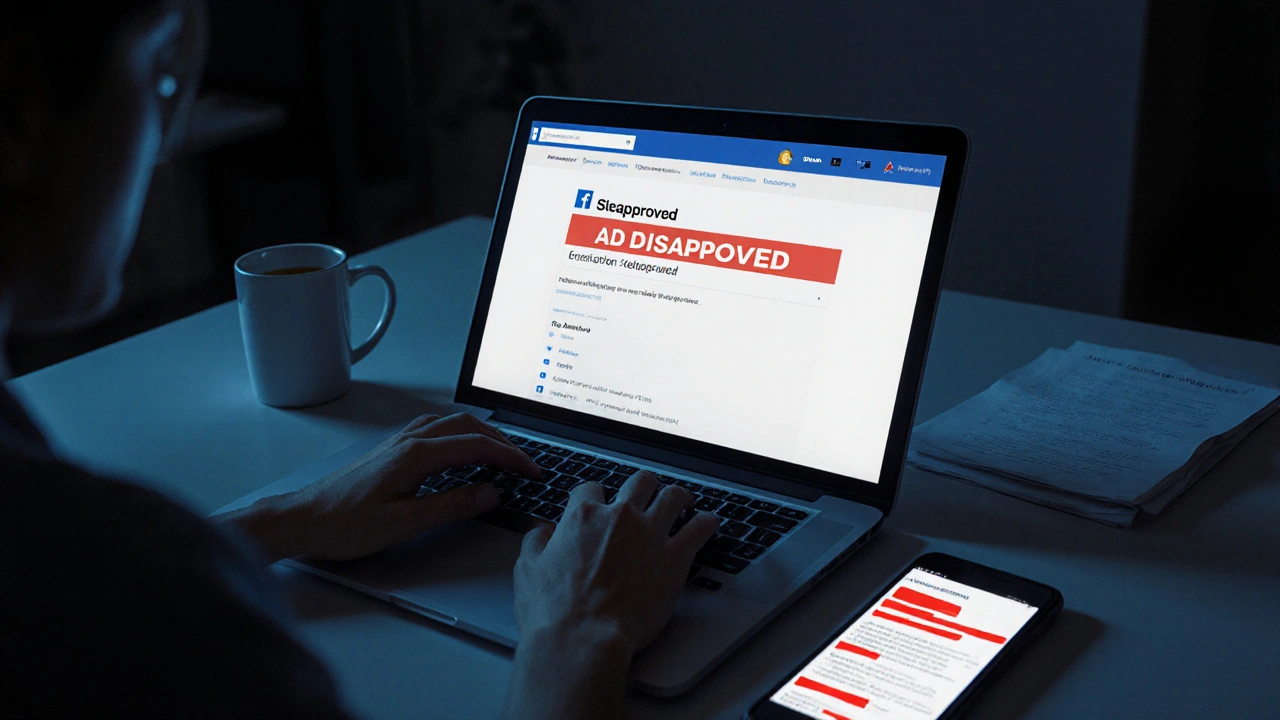
When you try to post an ad for your services online, you might get blocked-not because the content is explicit, but because the platform doesn’t allow it at all. That’s the reality for many sex workers today. Advertising restrictions have become one of the biggest barriers to safety, income, and autonomy in sex work. These aren’t just vague rules. They’re enforced by laws, corporate policies, and financial systems that work together to push sex work further underground.
How Online Platforms Ban Sex Work Ads
Facebook, Instagram, Google, and even PayPal have clear policies against advertising sex work. These rules aren’t new, but they’ve gotten tighter. In 2018, Facebook and Instagram started using automated systems to delete any post that even hinted at adult services. That includes photos with suggestive lighting, phrases like "private time" or "discreet encounters," or even just mentioning a city name alongside a price. Google’s ad policies are even stricter. If you try to run a Google Ads campaign promoting escort services, your account gets banned within hours. The system flags keywords like "escort," "companionship," or "massage"-even when used in legal, non-sexual contexts. A massage therapist in Perth who offers therapeutic services got her ad account suspended because Google flagged her use of the word "relaxation." These bans aren’t random. They’re tied to U.S. laws like FOSTA-SESTA, passed in 2018. The law was meant to fight human trafficking, but it made websites legally responsible for user-posted content related to sex work. So platforms chose the safest option: delete everything that could be linked to sex work, even if it’s legal.What Happens When You Can’t Advertise Legally
Before the crackdowns, many sex workers used online platforms to screen clients, set boundaries, and work from home. Ads included details like location, services offered, and safety protocols. That transparency saved lives. Now, without those tools, people are forced to rely on word-of-mouth, street-based work, or unregulated apps. A 2023 survey by the Global Network of Sex Work Projects found that 72% of sex workers in countries with strict advertising bans reported increased violence since losing access to online platforms. Without the ability to vet clients in advance, many are pressured into unsafe situations just to earn money. Even when sex work is legal-like in parts of Australia, New Zealand, or Germany-advertising bans make it nearly impossible to operate safely. In Victoria, Australia, sex work is decriminalized, but platforms still block ads. That means a worker can legally run a business, but can’t tell people about it online.The Financial Lockdown
It’s not just social media. Payment processors are part of the problem too. Stripe, Visa, Mastercard, and PayPal won’t process payments for sex work-related services-even if the work is legal. That means no way to accept credit cards, no online bookings, no recurring payments for regular clients. Some workers turn to cryptocurrency or cash-only arrangements. But cash means no receipts, no record, no protection. If a client refuses to pay, there’s no chargeback option. If you’re robbed, there’s no way to trace the transaction. And if you need to file taxes, you’re stuck guessing your income. Banks are also cutting accounts. In 2024, a sex worker in Sydney had her personal bank account closed because her debit card was used at a hotel where she met clients. The bank flagged it as "suspicious activity." She had to open a new account under her mother’s name just to pay rent.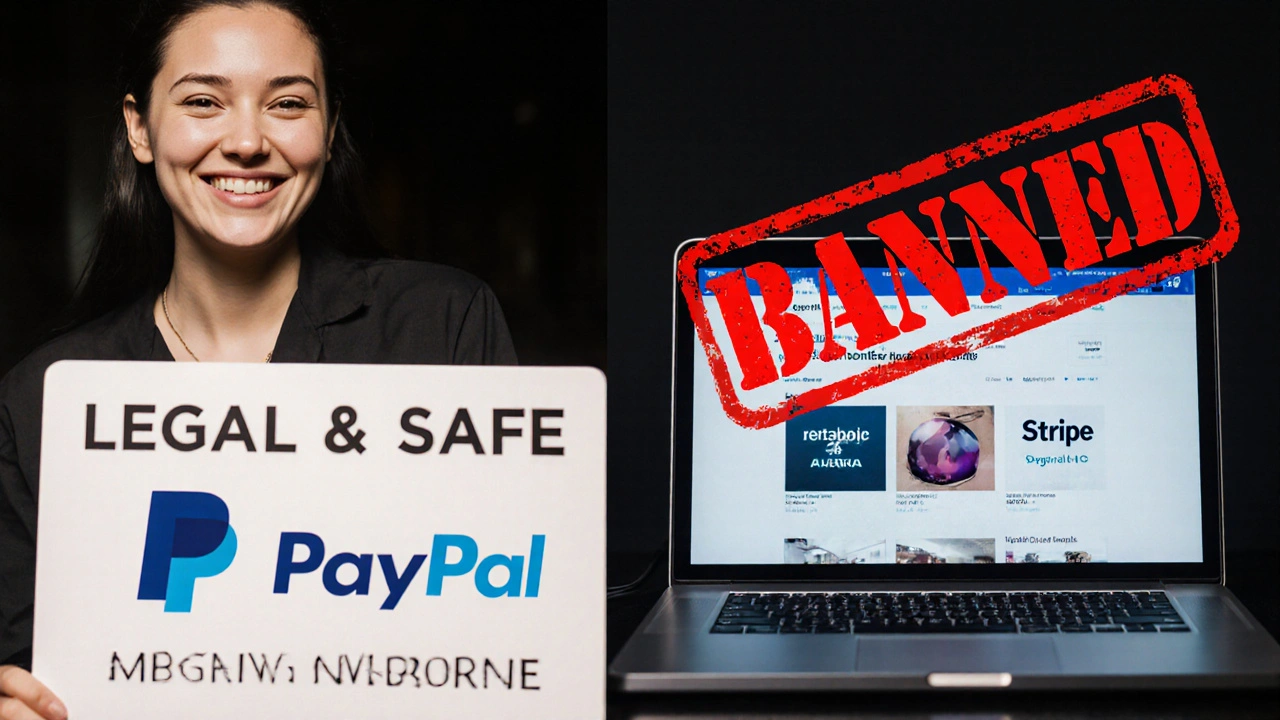
Legal Gray Zones Around the World
Laws vary wildly. In the U.S., FOSTA-SESTA makes advertising sex work a federal crime, even if it’s legal in the state. In Canada, it’s legal to sell sex, but illegal to advertise it. In the UK, selling sex isn’t illegal, but soliciting in public or running a brothel is. In Australia, laws differ by state: decriminalized in Victoria and NSW, partially legal in Queensland, criminalized in South Australia. But here’s the catch: even in places where sex work is legal, digital platforms follow U.S.-based rules. That means a sex worker in Melbourne can’t post an ad on Instagram, even if it’s perfectly legal under Australian law. The platform doesn’t care about local laws-it only cares about its global policy. This creates a bizarre situation: you can legally work, but you can’t tell anyone you’re working. You can’t build a website. You can’t run a business page. You can’t even use your real name.Who Gets Hurt the Most
These restrictions don’t affect everyone equally. Migrant sex workers, trans women, Black and Indigenous workers, and those without stable housing are hit hardest. They often have fewer options for alternative income and less access to legal support. A 2024 report by the Australian Human Rights Commission found that 61% of migrant sex workers had been denied housing because landlords discovered their work through digital footprints-even though they never advertised online. Their bank accounts were flagged, their social media posts were monitored, and their identities were exposed by automated systems. Younger workers, especially those under 25, are more likely to be targeted by algorithmic bans. Platforms assume anyone under 25 posting about "companionship" is being trafficked. That leads to false reports, account suspensions, and sometimes police involvement-even when the person is an adult working voluntarily.What’s Being Done About It
Organizations like the Global Network of Sex Work Projects, the Red Umbrella Fund, and Australia’s Scarlet Alliance are pushing back. They’re filing legal challenges, lobbying governments, and training sex workers on how to navigate these restrictions safely. Some platforms have made small changes. Reddit removed its ban on sex work discussion forums in 2023 after pressure from users and advocacy groups. Mastodon, a decentralized social network, allows sex worker accounts if they follow community rules. But these are exceptions, not the norm. In 2025, the European Parliament began reviewing proposals to decouple advertising bans from anti-trafficking laws. If passed, it could force platforms to stop blanket bans and instead target only verified cases of coercion. But progress is slow.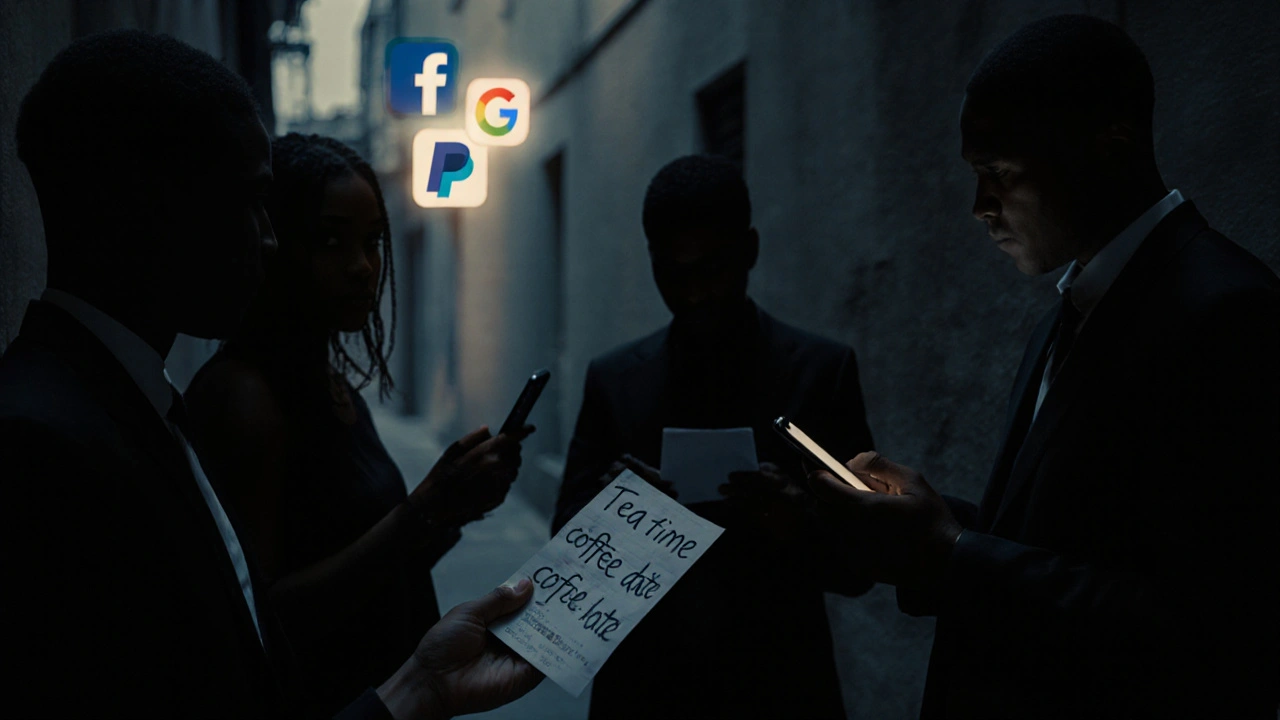
How Sex Workers Are Adapting
Despite the barriers, people are finding ways to work. Many use encrypted apps like Signal or Telegram to share contact details privately. Others create coded language-"tea time" for a session, "coffee date" for a meeting. Some use personal blogs hosted on non-U.S. servers where content moderation is weaker. A growing number are building their own websites using platforms like Carrd or WordPress, hosted outside the U.S. and paid for with cryptocurrency. They avoid keywords, use vague descriptions, and rely on word-of-mouth referrals. It’s not ideal, but it’s safer than the streets. Some workers now use AI tools to rewrite ad copy so it doesn’t trigger filters. One worker in Brisbane used an AI prompt like: "Rewrite this as a professional wellness consultant offering private relaxation sessions." The result was approved by Facebook’s ad system-even though it was clearly the same service.Why This Matters Beyond Sex Work
These advertising bans set a dangerous precedent. If platforms can silence one group based on moral assumptions, they can do it to others. LGBTQ+ creators, body positivity influencers, and even fitness coaches have had accounts removed for using the word "body" or "session." The same algorithms that block sex work ads also flag posts about menstrual health, abortion access, or gender-affirming care. The tools used to censor sex workers are the same ones used to suppress other marginalized voices. This isn’t about protecting people. It’s about control. When corporations and governments decide what can be said online, they decide who gets to exist in public space.What You Can Do
If you’re not a sex worker, you can still help. Support organizations fighting these laws. Call your representatives and ask them to oppose laws that ban advertising for legal work. Challenge platforms when they remove content without explanation. Donate to funds that help sex workers access banking, legal aid, and digital tools. And if you’re a sex worker reading this-you’re not alone. There are networks that can help you stay safe, even when the system is stacked against you. Reach out. Ask for help. Your voice matters.Are sex work ads illegal everywhere?
No. In some countries and states, sex work is legal-but advertising it is still banned. For example, in Australia and New Zealand, selling sex is legal, but posting ads on Facebook or Google is not. The laws don’t match up. Even where it’s legal, digital platforms enforce their own rules based on U.S. laws like FOSTA-SESTA.
Can I use cryptocurrency to accept payments for sex work?
Yes, many sex workers use cryptocurrency like Bitcoin or Monero to accept payments because traditional payment processors block them. It’s safer than cash, but it’s not perfect. Cryptocurrency transactions are irreversible, so you still need to vet clients carefully. Also, some exchanges require KYC (know-your-customer) verification, which can expose your identity.
Why do banks close accounts for sex workers?
Banks classify sex work as "high risk," even when it’s legal. They’re afraid of being fined under anti-money laundering laws or pressured by regulators. So they close accounts based on transaction patterns-like frequent hotel bookings or cash deposits-even if there’s no proof of illegal activity. It’s profiling, not policing.
Is there any platform that allows sex work ads?
Most major platforms ban them. But some decentralized or community-run platforms allow it under strict rules. Mastodon, for example, lets sex workers post if they follow local community guidelines. Some private forums and encrypted apps like Signal or Telegram are also used. But none offer the reach of Facebook or Google.
How do advertising bans affect safety?
They make it harder to screen clients, set boundaries, and work from home. Before these bans, many workers used online ads to share their location, services, and safety rules. Now, without that info, they’re more likely to meet strangers in unsafe places. Studies show violence increases when workers lose access to digital tools.