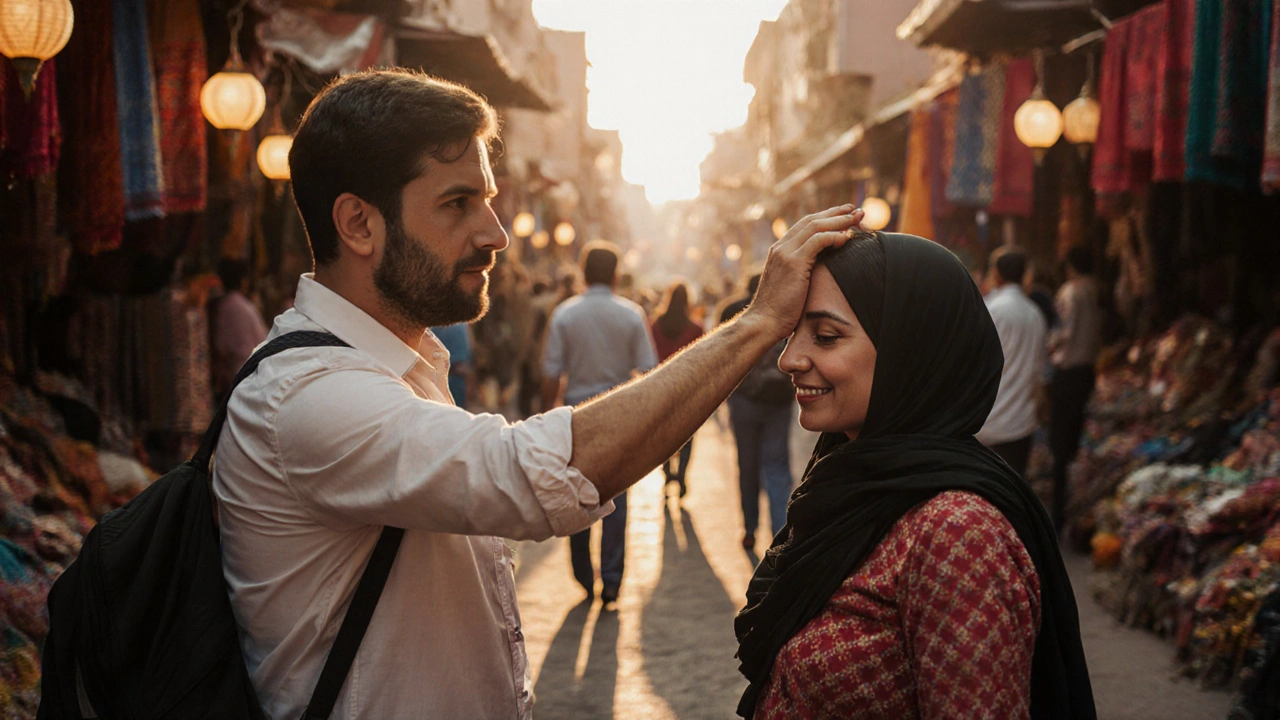
Imagine you're leading a group of tourists through a busy market in Marrakech. One visitor reaches out to touch a local woman’s head-something they think is harmless, maybe even friendly. But in many North African cultures, the head is considered sacred. That simple gesture can offend deeply, and suddenly your group’s trust is shaken. This isn’t a rare mistake. It happens every day. Tour escort services around the world are seeing more incidents tied to cultural ignorance than ever before. And the fix isn’t just about learning phrases like "thank you" in local languages. It’s about understanding why certain actions carry weight, how silence can be respectful, and what body language means in places where words don’t always tell the whole story.
Why Cultural Sensitivity Isn’t Optional Anymore
Travel has changed. In 2025, tourists aren’t just sightseeing-they’re seeking authentic experiences. They want to eat where locals eat, sleep in family-run guesthouses, and join neighborhood rituals. But with that deeper engagement comes higher expectations-and higher risks. A 2024 survey by the World Tourism Organization found that 68% of travelers in high-context cultures (like Japan, Saudi Arabia, or Indonesia) reported feeling disrespected by tour guides who didn’t adapt their behavior to local norms. And 42% of those travelers said they wouldn’t return-or recommend the tour company-because of it.
For tour escort services, this isn’t just about reputation. It’s about legal and operational risk. In countries like Qatar or Thailand, public disrespect can trigger police involvement, fines, or even deportation. Tour operators who skip cultural training are gambling with their licenses, their staff’s safety, and their bottom line.
What Cultural Sensitivity Training Actually Covers
Cultural sensitivity training for tour escorts isn’t a one-hour PowerPoint. It’s a hands-on, scenario-based program that builds real-time decision-making skills. Here’s what effective training includes:
- Non-verbal communication rules: In Turkey, showing the sole of your shoe is rude. In Thailand, pointing your feet at a Buddha statue is offensive. In Japan, bowing slightly when greeting is expected-not optional. These aren’t "nice to know" facts. They’re survival skills.
- Religious and spiritual boundaries: Tour guides need to know when photography is forbidden (like inside certain mosques or temples), what clothing is required (head coverings, covered shoulders), and how to respond when a local asks for prayer time to be respected.
- Gender dynamics: In some Gulf countries, male guides should not initiate physical contact with female tourists or locals. In parts of Southeast Asia, women guides may need to adjust how they interact with male elders. Training includes role-playing these situations so responses become instinctive.
- Language nuances: Saying "no" directly can be seen as aggressive in Korea or Cambodia. Learning indirect phrases like "I’ll try" or "That might be difficult" helps avoid conflict. Training includes phrases that convey respect, not just translation.
- Local taboos: In many Middle Eastern countries, discussing politics or religion with strangers is inappropriate. In India, eating with your left hand is considered unclean. In France, tipping isn’t expected-it can even be insulting. These aren’t trivia. They’re daily landmines.
Top tour companies now require staff to complete 8-12 hours of cultural training before their first tour. Some include field simulations: guides walk through real markets with local cultural mentors who give immediate feedback on their behavior. Others use VR headsets to place guides in simulated scenarios-like being asked to remove shoes in a sacred space-and test their reactions.
Common Mistakes Tour Escorts Make (And How to Avoid Them)
Even experienced guides slip up. Here are the five most common errors-and how to fix them:
- Assuming Western norms apply everywhere. Smiling at strangers might feel friendly in Australia, but in Russia or Finland, it can seem insincere or strange. Training teaches guides to observe first, then adapt.
- Over-explaining or correcting locals. If a vendor says their tea is "the best in the city," don’t correct them with facts. Say, "That sounds wonderful," and move on. Respect isn’t about being right-it’s about being kind.
- Ignoring hierarchy and titles. In China, addressing someone by their full title (e.g., "Manager Wang") matters. In Japan, using honorifics like "-san" or "-sensei" shows basic respect. Skipping these can feel like dismissal.
- Photographing without permission. In many rural communities, people don’t want to be photographed. Always ask, even if the person seems to be posing. A simple hand gesture and a smile can be enough if language is a barrier.
- Reacting defensively to feedback. If a local says, "That’s not how we do it," don’t argue. Say, "Thank you for teaching me," and adjust. This builds trust-not just with locals, but with your tourists, who notice how you handle it.

How to Build a Cultural Sensitivity Program
If you run a tour escort service, here’s how to start:
- Partner with local cultural advisors. Don’t rely on online blogs. Hire retired teachers, community leaders, or religious figures from the host country to co-develop your training. They know what outsiders get wrong-and what they don’t realize they’re doing.
- Make training mandatory and ongoing. One session isn’t enough. Refresh training every six months with new scenarios. Include feedback from past tours: what went wrong? What surprised the group?
- Use real stories. Share anonymized accounts from your own guides. "Last month, a guide in Vietnam offered a child candy. The parent was upset because it encouraged begging. We now teach: never give gifts to children without asking the family first."
- Create a quick-reference card. Give every guide a laminated card with 5 key rules for each destination: dress code, photo rules, greeting etiquette, taboo gestures, and emergency phrases in the local language.
- Include feedback loops. After each tour, ask tourists: "Did you feel respected by the guide? What did they do well? What could they improve?" Use that data to refine training.
The Ripple Effect of Good Training
When tour escorts are culturally aware, the impact goes beyond avoiding offense. Tourists feel safer. They relax. They open up. They buy more from local artisans. They leave better reviews. They come back.
In Bali, one tour company started requiring all guides to spend a week living with a local family before working. Result? Tourist satisfaction scores jumped from 7.1 to 9.4 on a 10-point scale. Repeat bookings increased by 63%. And the guides? They started seeing their role differently-not as performers, but as cultural bridges.
Cultural sensitivity isn’t about policing behavior. It’s about creating space for real connection. It’s about recognizing that your tourists aren’t just customers-they’re guests in someone else’s home. And good hosts don’t just show you around. They help you understand how to be a good guest.

What Happens When You Skip Training
A tour group in Egypt was banned from entering a temple after a guide encouraged tourists to climb on ancient carvings for "the perfect photo." The incident went viral. The tour company lost its operating license. Three staff members were fired. The local community boycotted their services for months.
In India, a guide told a group that "women here don’t work outside the home," which was factually wrong and deeply offensive. The group complained to the Ministry of Tourism. The guide was suspended. The company had to issue a public apology.
These aren’t outliers. They’re symptoms of a system that treats culture as decoration, not foundation. Training isn’t a cost. It’s insurance. Against lawsuits. Against reputational damage. Against losing the very thing that makes your service unique: trust.
Is cultural sensitivity training only for international tour guides?
No. Even guides working in multicultural cities like London, Sydney, or Toronto need this training. Tourists come from all over the world, and locals have diverse cultural backgrounds too. A guide who doesn’t understand why a visitor from Saudi Arabia avoids handshakes with women, or why a Japanese guest is quiet during meals, risks misreading behavior as disinterest or rudeness. Cultural sensitivity applies wherever people from different backgrounds interact.
How long should cultural sensitivity training take?
For basic certification, 6-8 hours is the minimum. But effective training is ongoing. Top operators require 1-2 hours of refreshers every quarter. The first session should cover core principles, then follow-ups focus on destination-specific nuances. Real learning happens through practice, feedback, and repetition-not a single lecture.
Can online courses replace in-person training?
Online courses are useful for theory, but they’re not enough. Cultural sensitivity is about reading body language, reacting in real time, and building empathy-skills you can’t learn from a video. The best programs combine online modules with live role-playing, local mentorship, and field observation. Think of it like driving: you can study the rules online, but you still need to get behind the wheel with an instructor.
What if a tourist insists on doing something culturally inappropriate?
Don’t argue. Don’t shame. Say something like, "I really appreciate your enthusiasm, but in this place, we don’t do that because it’s disrespectful to the community. Let me show you another way you can connect with it." Offer an alternative that honors both the culture and the tourist’s curiosity. Most people want to be respectful-they just didn’t know. Your job is to guide, not punish.
Do I need training if I only work in one country?
Yes. Even if you only work in, say, Italy or Thailand, your tourists come from dozens of countries. A Canadian tourist might not know why pointing with your feet is rude in Thailand. A German tourist might not realize that haggling too hard in Morocco can be seen as aggressive. Your training should prepare you to navigate not just the host country’s culture, but the cultural expectations your guests bring with them.
Next Steps for Tour Escort Services
If you’re a tour operator, start small. Pick one destination where you’ve had complaints or confusion. Develop a 2-hour training module for that location. Use local voices. Test it with a small group of guides. Gather feedback. Refine. Then expand.
If you’re a guide, ask your employer for training. If they don’t offer it, seek out independent courses from cultural organizations like the International Council for Cultural Relations or the Global Cultural Competency Institute. Many offer affordable online modules with certification.
Culture isn’t a checklist. It’s a conversation. And the best tour escorts aren’t the ones who know the most facts-they’re the ones who listen the most.