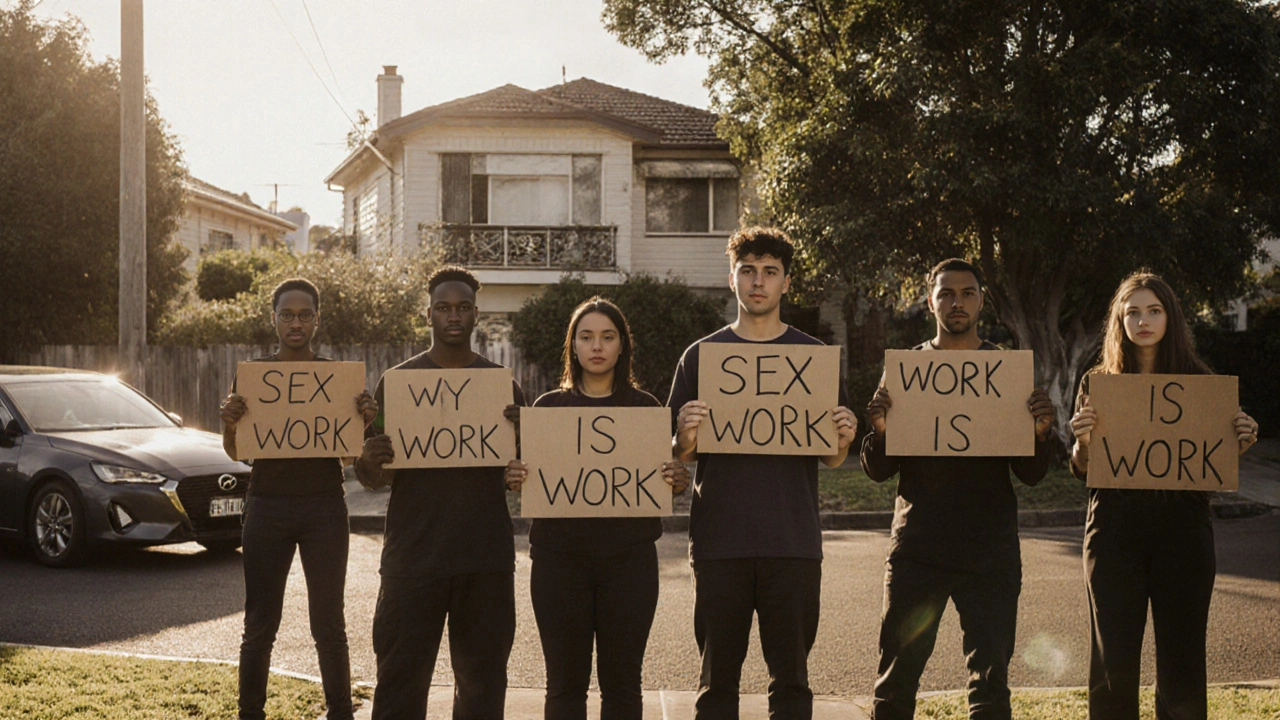
When people talk about changing laws around sex work, two words come up again and again: decriminalization and legalization. They sound similar, but they’re not the same. And the difference isn’t just semantic-it changes everything for the people doing the work.
What Decriminalization Actually Means
Decriminalization removes criminal penalties for sex work. It doesn’t create new rules-it takes away the old ones. Under decriminalization, adults exchanging sex for money aren’t breaking the law. Neither are the people who work with them: landlords who rent rooms, drivers who transport clients, security staff, or even partners who help with advertising.
This model is based on the idea that sex work is work. If you’re not breaking any laws by driving a taxi, cooking food, or fixing phones, why should selling sex be different? In New Zealand, where full decriminalization took effect in 2003, sex workers can legally operate from their homes, hire security, and negotiate terms without fear of arrest. Police don’t raid brothels. They don’t confiscate condoms as evidence. They don’t force workers to prove they’re not being trafficked just to avoid being charged themselves.
The result? A 2021 study by the University of Otago found that sex workers in New Zealand reported higher safety, better access to healthcare, and less stigma. Violence from clients dropped by 40%. Reporting crimes to police went up because workers no longer feared being arrested instead of protected.
What Legalization Actually Means
Legalization means the government allows sex work-but only under strict control. It’s not about removing laws. It’s about replacing one set of rules with another. Often, this means sex work is only legal in certain places, like licensed brothels. Workers may need to register with the state, undergo regular health checks, and pay fees. Clients might be banned from visiting certain areas. Advertising could be restricted. Independent workers are often still illegal.
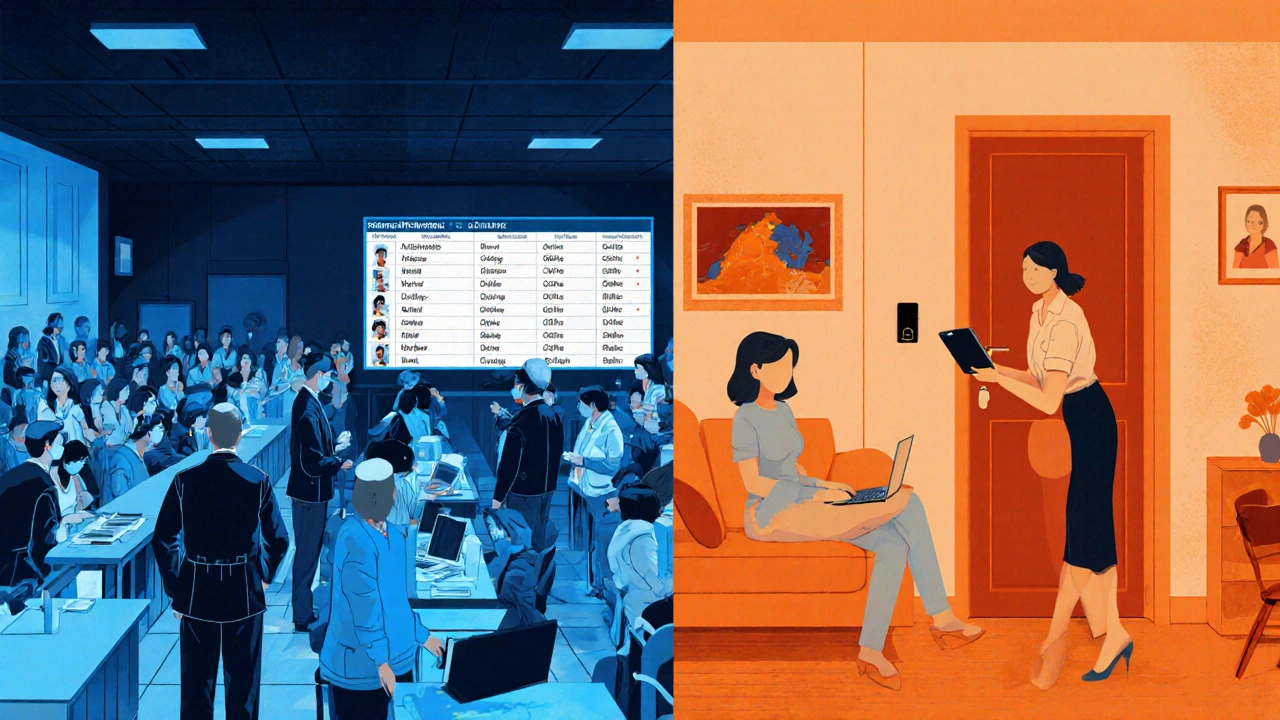
In Germany, where sex work was legalized in 2002, brothels are regulated and taxed. Workers can get health insurance and social benefits-but only if they register. Many don’t. Why? Because registration means your name, photo, and address go into a public database. Some fear exposure to family, employers, or former partners. Others worry about being targeted by anti-sex work activists or immigration authorities.
Legalization also creates a two-tier system. Those who can afford to operate legally-like big brothel owners with capital and lawyers-are protected. Those who work independently, in apartments, or on the street are still treated as criminals. In Germany, over 70% of sex workers remain unregistered, according to a 2023 report by the German Federal Criminal Police Office. That means most workers still live in the shadows, even under a "legal" system.
Why the Difference Matters for Safety
Think of it this way: decriminalization lets sex workers control their own safety. Legalization puts that control in the hands of the state.
In a decriminalized system, a worker can call the police if a client threatens them. They can share a workspace with a friend for safety. They can screen clients without worrying about violating zoning laws. They can refuse a client without fear of being shut down.
In a legalized system, those same actions might be illegal. A worker in Amsterdam, for example, can’t legally work alone in a private apartment. If they do, they’re breaking the law-even if they’re safe and consensual. If they get robbed, they might not report it because the police could shut them down for working outside the licensed zone.
A 2022 report by the Global Network of Sex Work Projects found that decriminalized regions had 33% fewer violent incidents than legalized ones. Why? Because workers weren’t afraid to speak up, organize, or use tools like shared screening lists or emergency alerts.
What About Trafficking?
One of the biggest fears people have about changing sex work laws is that it will increase trafficking. But the evidence says otherwise.
When sex work is criminalized or heavily regulated, traffickers thrive in the gaps. They know workers won’t report abuse because they’re afraid of being arrested. They know clients won’t speak up because they’re afraid of being prosecuted. They know police are more likely to target workers than exploiters.
In Sweden, where buying sex is illegal but selling isn’t (the "Nordic model"), traffickers have adapted. A 2023 study by the Swedish National Council for Crime Prevention found that trafficking for sexual exploitation had not decreased since the law passed in 1999. Instead, the market went underground. Workers became more isolated. Clients became more secretive. And those being exploited had even less access to help.
Decriminalization doesn’t mean ignoring trafficking. It means focusing resources on real crimes-forced labor, coercion, violence-instead of punishing consensual adult work. In New Zealand, police actively work with sex worker organizations to identify trafficking. They don’t arrest workers to find victims. They listen to them.
Who Benefits from Each Model?
Decriminalization benefits sex workers directly. It gives them autonomy, safety, and legal standing. It also benefits public health. In countries with decriminalization, HIV rates among sex workers are among the lowest in the world. Why? Because workers can insist on condoms without fear of arrest. They can access clinics without being profiled. They can get tested regularly and treat STIs quickly.
Legalization often benefits the state and business owners. Governments collect taxes. Brothel owners get licenses and monopolies. But most workers don’t gain real freedom. They still face stigma, surveillance, and control. In Nevada, the only U.S. state where some forms of sex work are legal, only 10 rural counties allow it-and only in licensed brothels. Independent workers, street-based workers, and those outside those counties are still criminalized. The system protects a few, but leaves most behind.
Where Are These Models Used Today?
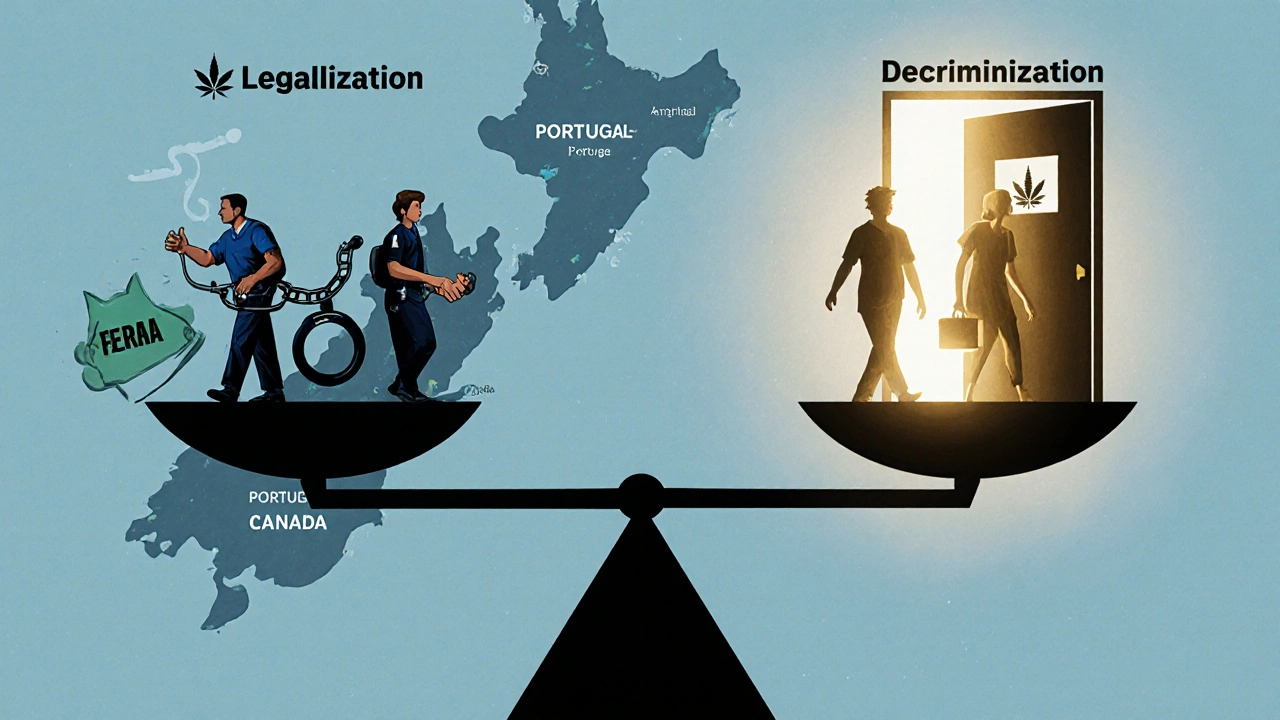
Decriminalization is in place in:
- New Zealand (since 2003)
- Portugal (partial decriminalization since 2001, with full decriminalization of sex work in 2022)
- Canada (after 2020 Supreme Court ruling struck down laws criminalizing key aspects of sex work)
- Argentina (decriminalized in 2021)
- Parts of Australia (Victoria and New South Wales have decriminalized since the 1990s)
Legalization is used in:
- Germany (since 2002)
- Netherlands (brothels legal since 2000)
- Nevada, USA (licensed brothels only)
- Greece (brothels legal since 2015, but independent work remains illegal)
- France (prostitution legal, but organizing, pimping, and buying sex are restricted)
Some places mix models. In the UK, selling sex isn’t illegal, but soliciting, kerb-crawling, and brothel-keeping are. That’s not decriminalization-it’s a patchwork that still puts workers at risk.
The Bigger Picture: Rights, Not Regulation
The question isn’t whether sex work should be allowed. It’s who gets to decide how it’s done.
Decriminalization says: sex workers know their own safety best. Let them organize, screen clients, share resources, and work without fear. Let them be part of the solution.
Legalization says: the state knows better. We’ll let you work-but only if you follow our rules. We’ll monitor you. We’ll tax you. We’ll control where you can be.
One model empowers. The other controls.
There’s no perfect system. But when you look at the data-health outcomes, violence rates, access to justice, and worker satisfaction-the evidence is clear. Decriminalization saves lives. Legalization often just hides the problem behind paperwork.
What’s Next?
Change is slow, but it’s happening. In Australia, Victoria and New South Wales have led the way with decriminalization. Other states are watching. In Canada, sex worker groups are pushing for federal reforms to remove remaining criminal penalties. In the U.S., activists in California and New York are pushing bills to decriminalize sex work entirely.
It’s not about making sex work glamorous. It’s about making it safe. And the only model that does that consistently is the one that treats it like any other job: with dignity, rights, and no criminal penalties.
Is decriminalization the same as legalization?
No. Decriminalization removes criminal penalties for sex work, treating it like any other job. Legalization allows sex work but under strict government rules-like licensing, zoning, and mandatory registration. Decriminalization gives workers freedom. Legalization gives the state control.
Does decriminalization increase trafficking?
No. Evidence from New Zealand, Portugal, and Canada shows that decriminalization makes trafficking harder to hide. When workers aren’t afraid of arrest, they report abuse. Police can focus on actual exploiters instead of punishing consensual workers. Criminalization creates the conditions traffickers need to operate.
Why do some countries legalize sex work instead of decriminalizing it?
Legalization often comes from a desire to regulate and tax, not to protect workers. Governments believe they can control the industry by limiting where and how it happens. But this creates a two-tier system: those who can afford to comply are safe, while others are pushed into danger. It’s about control, not safety.
Can sex workers get health care under decriminalization?
Yes. In New Zealand and Portugal, sex workers report better access to clinics, STI testing, and mental health support. They’re not afraid to walk in because they won’t be reported or judged. Health services are integrated into the community, not treated as special cases.
What’s the biggest mistake in current sex work laws?
The biggest mistake is treating sex work as a moral issue instead of a labor issue. Laws that criminalize clients, workers, or third parties don’t reduce demand-they just make the work more dangerous. The solution isn’t more punishment. It’s rights, safety, and respect.