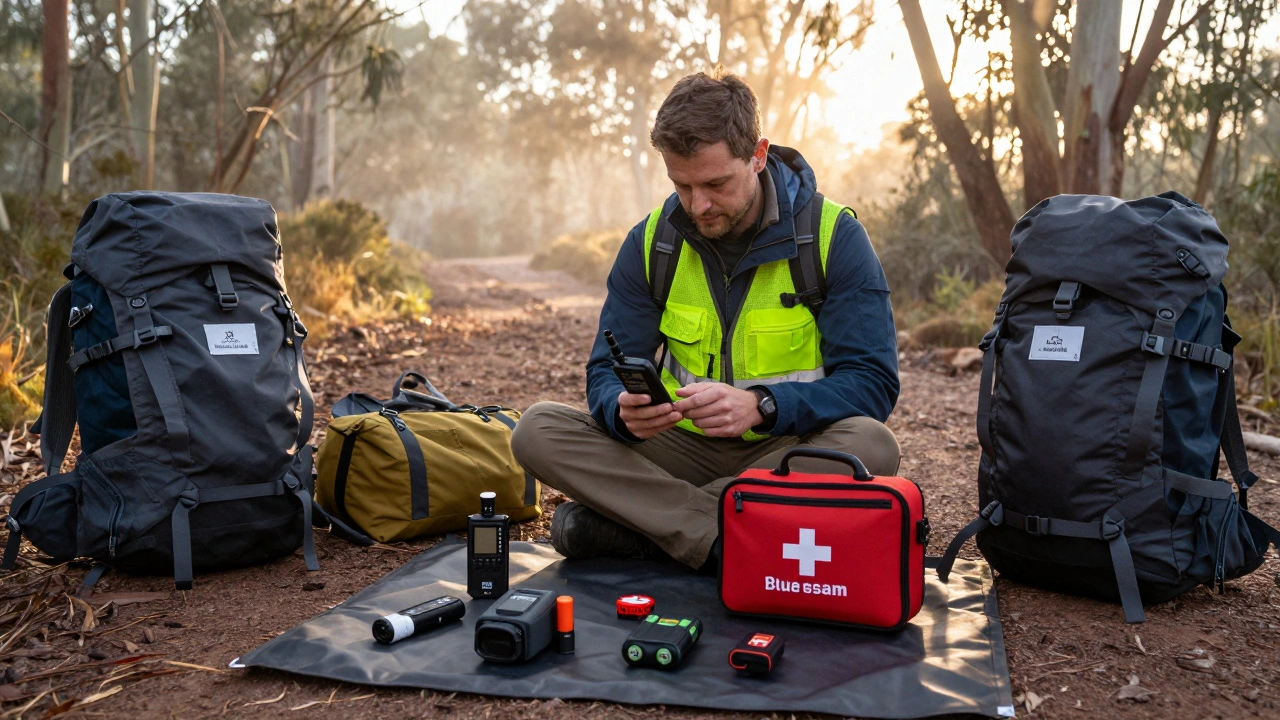
Running an outdoor adventure tour isn’t just about knowing the trail or having a great personality. If your guests walk away safe, happy, and ready to book again, it’s because you had the right gear-and you knew how to use it. Too many tour operators skip the checklist, then scramble when a rainstorm hits, a hiker gets a blister, or a GPS dies in the middle of nowhere. This isn’t about being overprepared. It’s about being responsible.
Why Gear Checklists Matter More Than You Think
One wrong item missing can turn a fun day into a rescue call. In 2024, a guided hiking group in the Blue Mountains lost communication because the escort didn’t carry a spare satellite messenger. The group was fine, but the company got fined for not meeting safety standards. That’s not a rare case. In Australia alone, outdoor tour operators faced 127 incident reports in 2023 where equipment failure was a contributing factor.
A checklist isn’t bureaucracy. It’s insurance. It’s the difference between panicking and staying calm. It’s what lets you focus on your guests instead of wondering if you packed enough water purifiers or if the first-aid kit has the right bandages.
Core Equipment for Every Outdoor Adventure Tour
No matter if you’re leading a day hike, a multi-day trek, or a river rafting trip, these items are non-negotiable:
- Personal Locator Beacon (PLB) or Satellite Messenger - At least one per group, plus a spare. Garmin inReach and Zoleo are common. Test battery life before every tour.
- Comprehensive First-Aid Kit - Not just bandages. Include blister care (moleskin, hydrocolloid patches), antiseptic wipes, tweezers, epinephrine auto-injectors (if guests have allergies), and oral rehydration salts. Replace expired items monthly.
- Emergency Shelter - Lightweight bivvy sacks or space blankets for each guest. In cold or wet conditions, hypothermia can set in faster than you think.
- Water Purification System - Filter, tablets, or UV purifier. Don’t rely on natural sources. Even clear mountain streams can carry giardia.
- Multi-tool or Knife - Must include pliers, scissors, and a blade. Used for cutting rope, fixing gear, or even preparing food in emergencies.
- Extra Food - At least one extra meal per person. High-calorie, non-perishable. Think energy bars, nuts, dried fruit. Not snacks. Emergency rations.
- Headlamps with Extra Batteries - Always carry two sets. People get lost after dark. Always.
- Fire-Starting Tools - Waterproof matches, lighter, ferro rod. Never rely on one method.
Weather-Specific Gear Adjustments
What works in the Australian Outback won’t cut it in Tasmania’s rainforest. Adjust your checklist based on the season and location:
- Hot & Dry Conditions (e.g., Red Centre): Add electrolyte tablets, sun-protective clothing, wide-brimmed hats, and extra water (minimum 4L per person). Check for heat exhaustion signs daily.
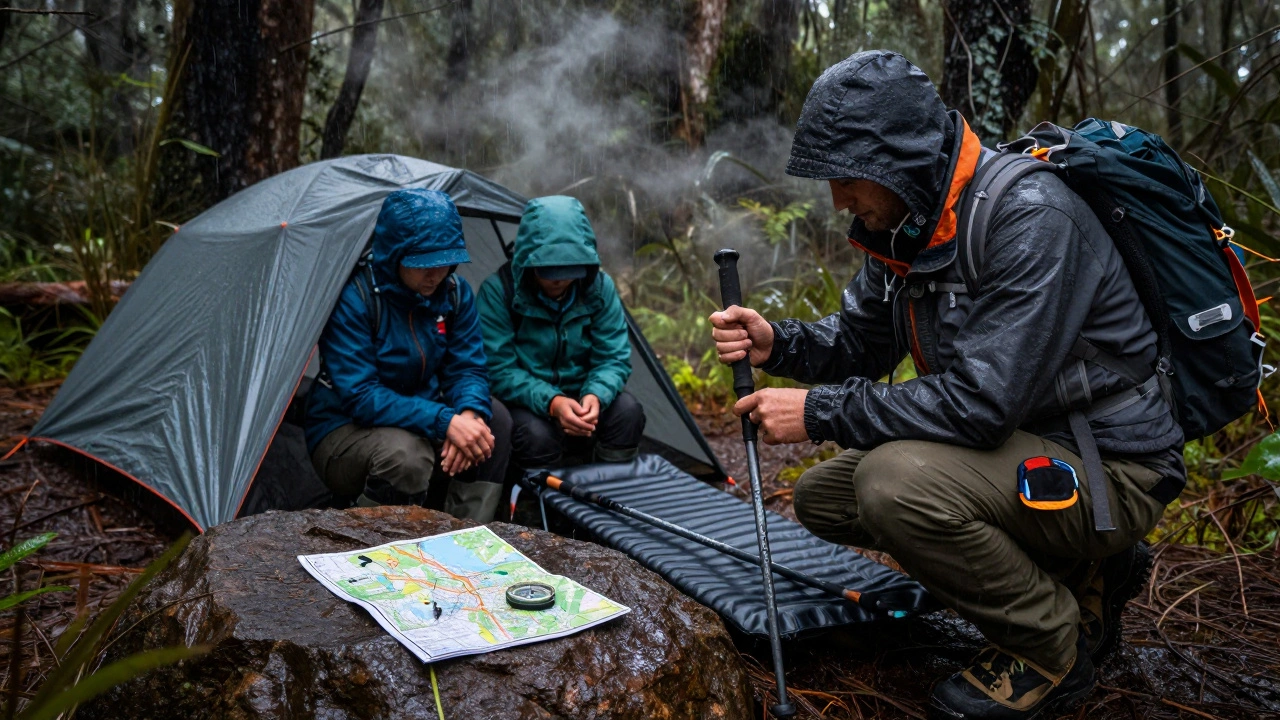
- Cold & Wet Conditions (e.g., Cradle Mountain): Pack thermal layers, waterproof outer shells, hand warmers, and insulated sleeping pads. Frostbite risk is real-even in spring.
- High Altitude (e.g., Snowy Mountains): Include altitude sickness meds (like Diamox), oxygen canisters (if permitted), and extra insulation. Acclimatization time matters more than speed.
- Coastal or River Tours: Add dry bags, water shoes, life jackets (PFDs) for every guest, and a throw rope. Currents can be deceptive.
Group-Specific Needs You Can’t Ignore
Not all groups are the same. A corporate team on a team-building hike has different needs than a family with kids or a group of seniors.
- For Families with Children: Pack extra socks, small-sized sunscreen, kid-friendly snacks, a whistle for each child, and a portable potty if remote.
- For Seniors or Limited Mobility Guests: Bring trekking poles, a lightweight folding stool, extra pain relief meds (if approved), and a lightweight evacuation sled.
- For Large Groups (6+): Assign gear roles. One person carries the PLB, another the first-aid kit, another the fire kit. Redundancy prevents single-point failure.
Technology That Actually Helps (Not Just Looks Cool)
GPS devices, apps, and drones sound impressive-but they’re useless if they’re dead, broken, or you don’t know how to use them.
- Use offline maps (Gaia GPS, AllTrails Pro) downloaded ahead of time. Don’t rely on cell service.
- Carry a power bank with at least 10,000mAh. Charge it fully the night before.
- Keep a physical map and compass. Teach one guest how to use them. If tech fails, someone still needs to know how to navigate.
- Drones? Only if you’re trained and legally allowed. They’re not rescue tools-they’re distractions.
Pre-Tour Checklist: The 24-Hour Rule
Don’t wait until the morning of the tour. Set a routine:
- 24 hours before: Charge all electronics. Fill water filters. Check expiration dates on meds.
- 12 hours before: Pack gear into labeled dry bags. Double-check quantity per person.
- 2 hours before: Do a gear walk-through with your team. Test the PLB. Confirm everyone knows their role.
- On the trail: Do a quick gear check at the trailhead. Ask: “Does everyone have water? Headlamp? Extra layer?”
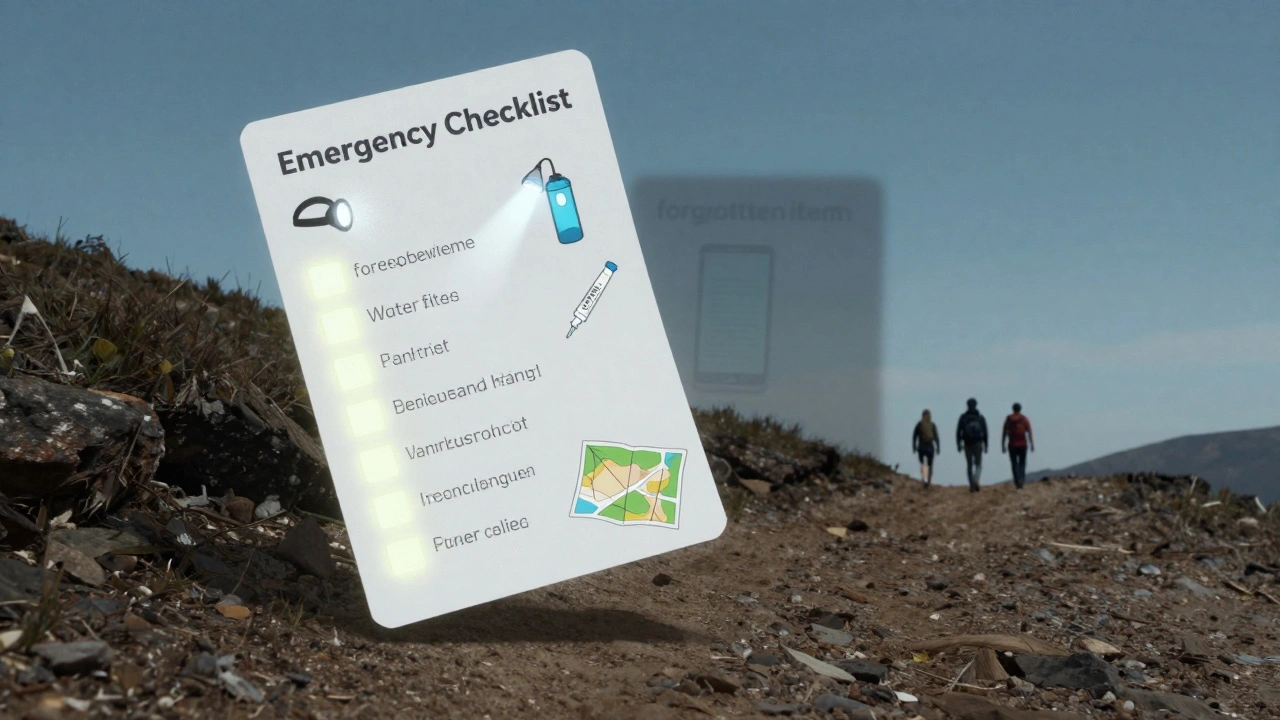
Write this checklist on a laminated card. Keep it in your pocket. Use it every time. No exceptions.
What Most Tour Escorts Forget (And Why It’s Dangerous)
Here’s what gets left out way too often:
- Guest emergency contact info - Written down, not just on a phone. Include allergies, medical conditions, and next of kin.
- Group sign-in sheet - Physical copy. Include time of departure and expected return.
- Local ranger contact - Save the number of the nearest park office. In case of animal encounters or trail closures.
- Weather forecast printout - Apps lie. Print the 72-hour forecast from the Bureau of Meteorology.
- Backup plan route - Always have an alternate trail or endpoint. Weather, wildlife, or injury can force a change.
Final Rule: If You Can’t Carry It, You Don’t Need It
Overpacking is just as dangerous as underpacking. If your pack weighs more than 15kg, you’re carrying junk. Every item must serve a clear purpose: safety, health, navigation, or communication.
Test your gear before you take clients out. Carry it on a solo practice hike. See how it feels. See what breaks. See what you forget.
Outdoor adventure tourism is growing fast. More people want real experiences. But with that comes real responsibility. The best tour escort isn’t the one with the funniest stories. It’s the one who comes back with every guest, every time.
What’s the most common gear mistake tour escorts make?
The biggest mistake is assuming guests will bring their own essentials. Many don’t. Others bring the wrong stuff-like cotton jeans instead of moisture-wicking pants. Always provide a clear packing list to guests and carry extras of critical items: socks, sunscreen, water, and basic first-aid supplies.
Do I need a satellite messenger for every tour?
Yes-if you’re going anywhere remote. Even popular trails like the Overland Track in Tasmania have areas with no phone signal. A satellite messenger is your lifeline. One device per group is the minimum. Two is better. Test it before each tour. Battery life isn’t optional.
How often should I replace first-aid kit items?
Check every month. Expired medications, dried-out antiseptic, and brittle bandages won’t help in an emergency. Replace anything with a use-by date that’s passed. Keep a log so you don’t forget. Many tour companies use a color-coded system-red for expired, green for good.
Can I use a regular flashlight instead of a headlamp?
Not if you want to be effective. A headlamp keeps your hands free to navigate, treat injuries, or fix gear. A flashlight is useless when you’re climbing a rock face or helping someone up a steep trail. Always use headlamps. Carry spare batteries.
What’s the one thing I should never leave behind?
A physical copy of your emergency plan. That includes contact numbers, evacuation routes, weather forecast, and guest medical info. Phones die. Satellites fail. Paper doesn’t. Keep it in a waterproof case. Make sure every team member knows where it is.
Next Steps: Build Your Own Checklist
Start with the core list above. Add what your specific tours need. Then test it. Take it on a solo trip. See what you’re missing. Ask a colleague to review it. Update it after every tour. Don’t wait for an incident to realize you forgot something.
The best outdoor tours don’t happen by accident. They happen because someone took the time to get the gear right.