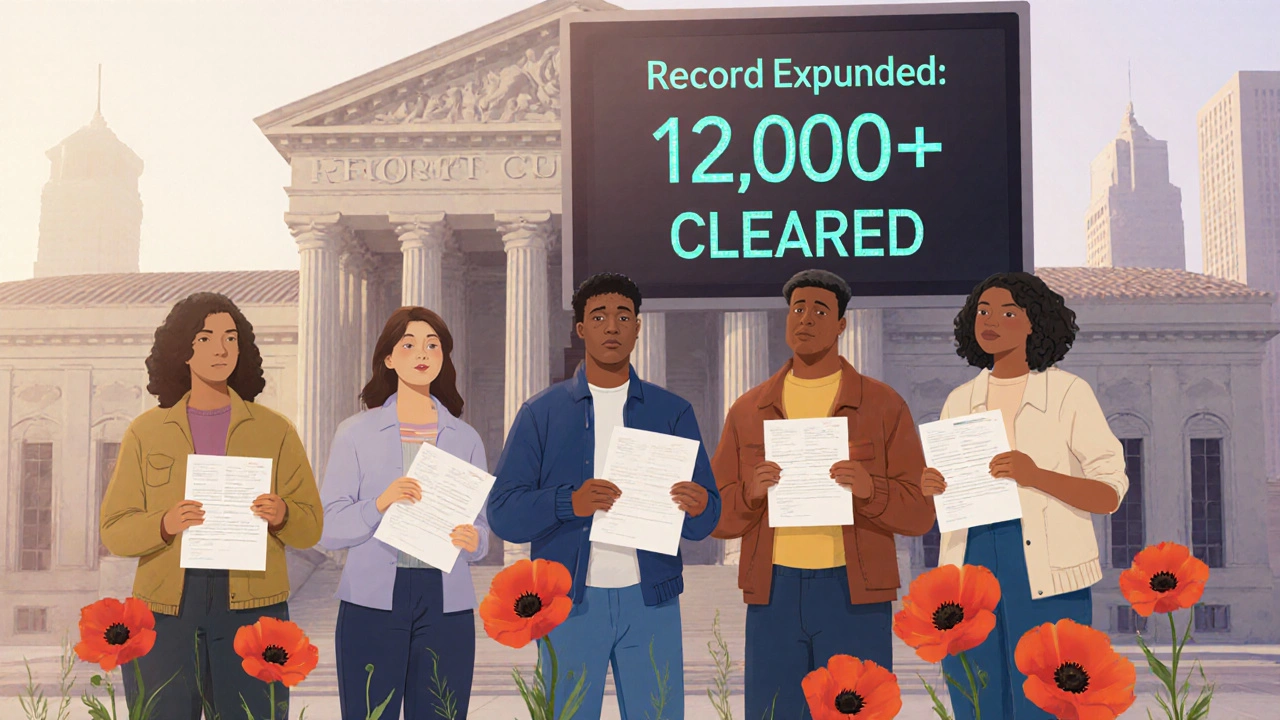
If you have a conviction for sex work-related charges-whether it was solicitation, loitering, or prostitution-your record doesn’t have to follow you forever. In many states, you can get these convictions erased, sealed, or set aside. But the rules change completely depending on where you live. What’s possible in California might be impossible in Texas. And in some places, even if the law changed, your old conviction still sits on your record because no one told you how to fix it.
Why This Matters Now
More than 100,000 people in the U.S. have criminal records tied to sex work. Many of these cases happened decades ago, when laws were harsher and enforcement was targeted at marginalized communities. Today, states are rethinking these laws. Some have decriminalized or deprioritized sex work. But having a conviction on your record still blocks access to housing, jobs, student loans, and even voting rights in some states.The good news? A growing number of states now offer legal pathways to clear these records. The bad news? You have to know where to look-and how to ask. This guide breaks down what’s actually available right now, state by state, with real examples of who qualifies and what steps to take.
California: Automatic Expungement for Many
California leads the country in cleaning up sex work records. Since 2018, Senate Bill 145 allows people convicted of prostitution or solicitation to have those convictions automatically dismissed and sealed. You don’t need to file anything. The state runs a system check and clears eligible records by default.Who qualifies? Anyone convicted of prostitution (Penal Code 647(b)) or solicitation before January 1, 2021. Even if you paid a fine or served time, you’re likely eligible. The state has already cleared over 12,000 records since the law passed. If you’re unsure, you can check your record for free through the California Department of Justice website.
There’s one catch: if you were convicted of a violent offense at the same time, or if you have a current pending case, you’re not eligible. But for most people, this is a clean slate.
New York: You Can Apply-But It’s Not Automatic
New York passed the Clean Slate Act in 2024, which automatically seals certain nonviolent convictions after 3 years. Sex work convictions fall under this. But here’s the twist: you don’t get notified. The state doesn’t send you a letter. Your record just disappears from public background checks after the waiting period.But if you need proof you’re cleared-for a job application or housing-you can request a Certificate of Relief from Disabilities. This is a court document that says your conviction has been sealed. You can get one for free from the New York State Division of Criminal Justice Services.
People with multiple convictions or those convicted of trafficking-related offenses are excluded. But if your only charge was solicitation or loitering, you’re likely covered.
Washington: Decriminalized, But Records Still Exist
Washington State decriminalized sex work in 2023. That means police can no longer arrest someone just for selling sex. But what about old convictions? They’re still there.However, under RCW 9.94A.640, you can petition the court to vacate your conviction. You need to show you’ve stayed out of trouble for at least 3 years. No lawyer required. You fill out a simple form, pay a $50 fee (waivable if you can’t afford it), and show up in court. Judges in Seattle, Tacoma, and Spokane have been approving over 80% of these requests.
One woman in Olympia, who had a 2008 solicitation conviction, got hers vacated in 2024. She applied on her own using the court’s free template. Within six weeks, her record was cleared. She got a job as a medical assistant the next month.
Illinois: The “Clean Record” Initiative
Illinois passed the Clean Slate Act in 2022. It automatically seals convictions for prostitution, solicitation, and loitering after 7 years. But unlike New York, Illinois doesn’t wait for time to pass-it lets you apply early if you’ve completed all court requirements.You can file for sealing as soon as you finish probation, pay all fines, and complete any court-ordered classes. No waiting. You don’t even need to go to court. Just submit the form to the clerk’s office. The state processes it within 60 days.
Chicago’s Legal Aid Society has helped over 2,000 people file these petitions since 2023. They offer free clinics every Tuesday. You don’t need to be a resident of Chicago-anyone convicted in Illinois can use the service.
Texas: Tough, But Not Impossible
Texas doesn’t have automatic expungement for sex work convictions. But you can still get your record cleared through a process called “nondisclosure.” It’s not as clean as expungement-your record still exists, but it’s hidden from most employers and landlords.To qualify, you need to have completed deferred adjudication probation. That means you didn’t get a formal conviction, but you were placed on probation. If you finished it without violating terms, you can petition for nondisclosure. You must wait 2 years after completion.
If you got a conviction (not deferred adjudication), you’re out of luck-unless you can prove you were trafficked or coerced. In that case, you can apply for a Certificate of Actual Innocence. It’s rare, but it’s been granted in cases where someone was forced into sex work by an abusive partner or pimp.
Florida: Only for First-Time Offenders
Florida allows expungement for first-time prostitution or solicitation convictions-if you never had a criminal record before. You must complete all sentencing, including fines and community service. Then you apply to the Florida Department of Law Enforcement.But here’s the catch: you can only expunge one offense in your lifetime. And if you were arrested more than once for the same thing, even years apart, you’re disqualified.
Many people in Miami and Orlando don’t know this. A nonprofit called Safe Harbor Project has been running free workshops since 2023. They’ve helped over 300 people get their records cleared. Their advice? Don’t wait. File as soon as you’re eligible.
States With No Options (Yet)
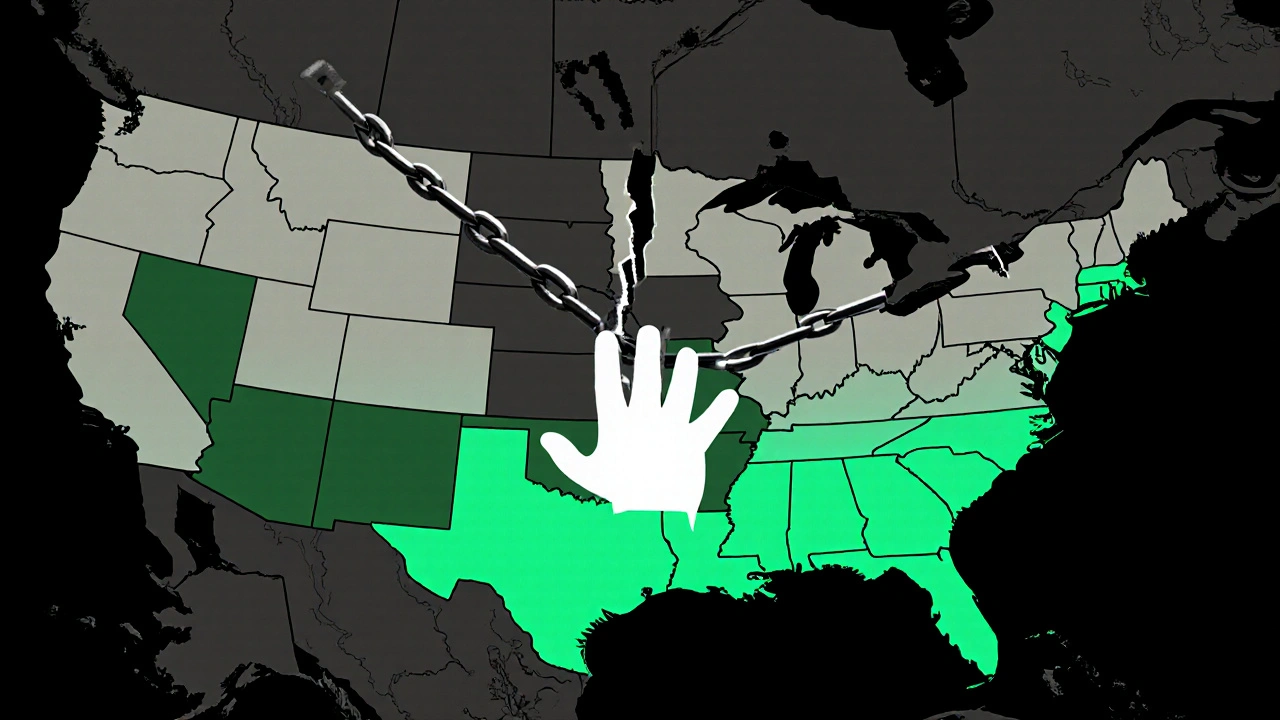
Some states still offer no legal path to clear sex work convictions. This includes Alabama, Mississippi, South Carolina, and Idaho. In these places, your conviction stays on your record forever unless you get a governor’s pardon-which is nearly impossible to get.But change is coming. In 2025, a bill is moving through the Idaho legislature to allow record sealing for prostitution convictions. If it passes, Idaho will join the growing list of states reforming these laws.
How to Start the Process
No matter where you live, here’s how to begin:- Get a copy of your criminal record. You can request it from your state’s Bureau of Criminal Identification or State Police.
- Check if your conviction is eligible. Look up your state’s expungement laws on the National Conference of State Legislatures website.
- Find free legal help. Many states have legal aid organizations that specialize in record clearance. Search “criminal record help [your state].”
- Fill out the forms. Most states have plain-language templates online. Don’t pay a lawyer unless you’re confused.
- File and follow up. Courts can take 3 to 6 months. Call every 30 days if you don’t hear back.
One woman in Ohio waited 18 months after filing. She called the court clerk every month. When she finally got the order, she cried. She had been turned down for 12 jobs because of a 2007 arrest. After the record was cleared, she got hired at a local nonprofit within a week.
What Happens After It’s Cleared
Once your record is sealed or expunged:- You can legally say you were never convicted on job applications.
- Landlords can’t deny you housing based on the old charge.
- Background checks for licenses, schools, or loans won’t show it.
- You can vote in all states-unless you’re still on parole.
But be careful: federal agencies (like the FBI) and some law enforcement databases may still have the record. It won’t show up on a standard background check, but it could come up if you apply for a government job or security clearance.
Common Mistakes to Avoid
- Waiting too long. Some states have deadlines. In California, you must file before 2026 to qualify for automatic clearance.
- Assuming your record is clean because the law changed. Laws don’t fix old records-you have to act.
- Paying a lawyer $1,000 when you can do it yourself. Most states offer free forms and help.
- Not checking your record after filing. Sometimes the court approves it, but the state agency forgets to update their system.
One man in Arizona paid $800 to a lawyer to file his petition. He got the same result-his record cleared-for free using the state’s online portal. He saved the money and used it to pay for a GED course instead.
What’s Next
More states are expected to pass record-clearing laws in 2025 and 2026. Advocacy groups are pushing for federal legislation to standardize expungement for sex work convictions nationwide. But until then, your power is in knowing your state’s rules-and taking action.Don’t wait for someone else to fix it. Your record doesn’t define your future. You have the right to move forward-and the law, in more places than ever, agrees.
Can I expunge a sex work conviction if I was convicted of a violent crime too?
In most states, if you have a violent conviction on your record, you won’t qualify for expungement of a sex work charge-even if it’s unrelated. States like California and New York require a clean record for automatic clearance. But in some places, like Washington, you can still petition to vacate the sex work conviction if the violent offense is separate and you’ve stayed out of trouble for 3+ years. Check your state’s specific rules.
Do I need a lawyer to clear my record?
No. Most states provide free, step-by-step forms online. Legal aid organizations and nonprofits like the National Law Center on Homelessness & Poverty and Safe Harbor Project offer free clinics. You only need a lawyer if your case is complex-like if you have multiple convictions, were deported, or are unsure if you qualify. For a single prostitution or solicitation charge, you can handle it yourself.
How long does it take to clear a record?
It varies. In California, automatic expungement takes 6 to 12 months after the law is applied. In states where you file a petition, it can take 3 to 6 months. Some courts process faster if you file early in the year. Always follow up-courts don’t always notify you when it’s done.
Will expungement help me get a job in healthcare or education?
Yes. Once your record is sealed or expunged, you can legally answer “no” to questions about past convictions on job applications for most positions. However, certain licensed roles-like nursing, teaching, or childcare-may still require full disclosure. In those cases, having a cleared record makes it easier to explain your past and show rehabilitation. Many licensing boards now view expunged records as a sign of personal growth.
Can I expunge a conviction if I’m not a U.S. citizen?
Yes. Immigration status doesn’t affect your right to clear a criminal record in most states. But if you’re undocumented or on a visa, you should talk to an immigration lawyer before filing. While expungement doesn’t automatically protect you from deportation, it can improve your chances in immigration court by showing rehabilitation. Some states, like New York and Illinois, have specific protections for noncitizens seeking record clearance.