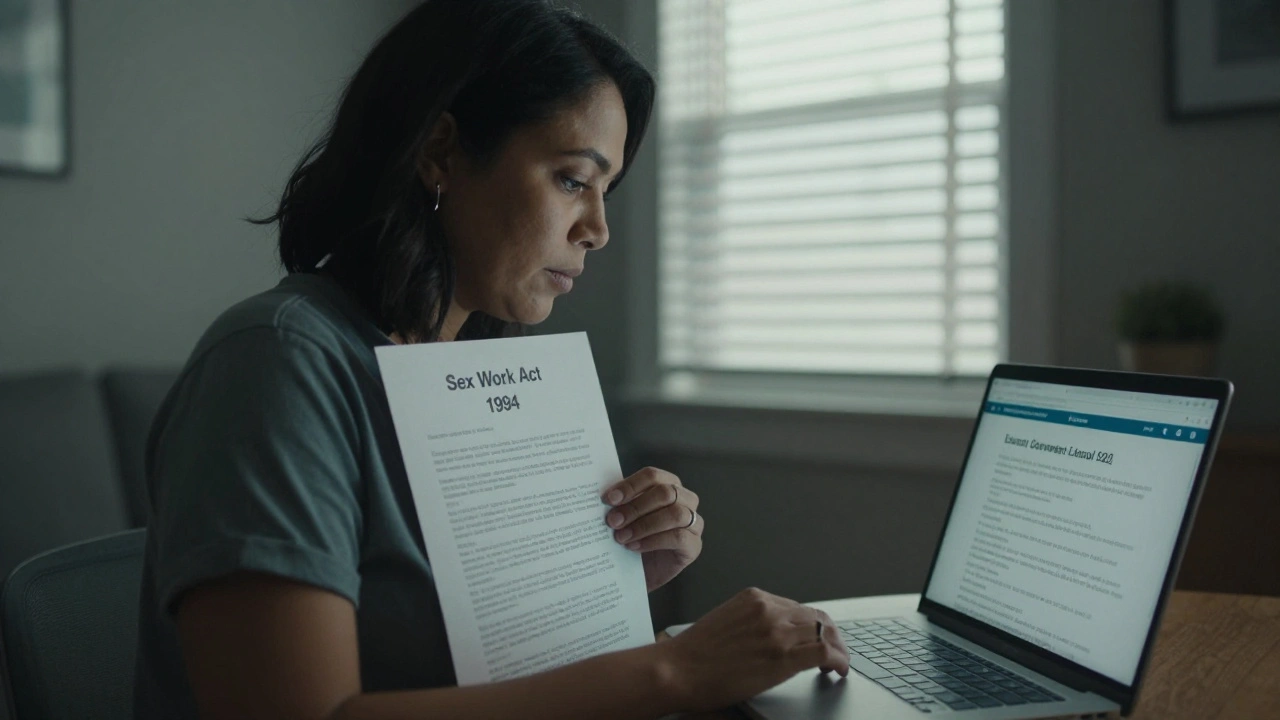
Getting legal help as a sex worker isn’t easy. Many lawyers won’t take your case. Others charge too much. Some act like you’re doing something wrong just for asking. But you have rights-no matter what the law says where you are. You don’t need to face police raids, eviction threats, or exploitation alone. Legal help exists. It’s just not always easy to find.
Know Your Rights Before You Call a Lawyer
Before you even start looking for a lawyer, understand what the law actually says about your work. In places like Australia, sex work is legal in some states and restricted in others. In Western Australia, where you can legally work as an independent sex worker, you’re protected under the Sex Work Act 1994. That means you can advertise, rent premises, and work without needing to register as a business-if you’re not operating a brothel.
But if you’re in a state like New South Wales, brothels are legal but street-based work is not. In Queensland, even working alone from home can be illegal. Laws change fast. What was allowed last year might be a crime today. That’s why you need to know the exact rules where you live. Don’t rely on what a friend told you. Don’t trust Google results from 2018. Check your state’s government website. Look for the Department of Justice or Attorney-General’s office. They publish official guides on sex work laws.
Knowing your rights stops lawyers from taking advantage of you. If a lawyer says, “You can’t sue your client for assault because you’re a sex worker,” they’re wrong. Assault is assault. Consent to sex doesn’t mean consent to violence. That’s not just common sense-it’s settled law in Australian courts.
Where to Find Lawyers Who Actually Understand Sex Work
Most lawyers don’t know how to help sex workers. They’ve never met one. They’ve never read the laws that apply. So how do you find someone who does?
- Sex worker advocacy groups-like Scarlet Alliance in Australia-keep lists of lawyers who’ve worked with sex workers before. They don’t just hand out names. They vet them. These lawyers have handled cases involving police harassment, eviction from rental properties, or clients who refused to pay.
- Human rights organizations-like the Human Rights Law Centre-offer free legal advice to marginalized groups. They don’t care if you’re a sex worker. They care if your rights were broken.
- Community legal centers-these are nonprofit law clinics that charge little or nothing. In Perth, the Perth Community Law Centre has helped sex workers with tenancy disputes, visa issues, and criminal charges. They don’t ask for ID. They don’t judge.
Don’t go to a big law firm just because they have fancy offices. Big firms often turn away sex workers because they’re “too risky.” Smaller, community-based lawyers are more likely to take your case. And they’re more likely to actually listen.
What to Say When You Call a Lawyer
Calling a lawyer for the first time can feel terrifying. You’re worried they’ll hang up. Or laugh. Or report you. Here’s how to make it easier:
Start simple: “I’m a sex worker and I need legal advice about [issue].” That’s it. You don’t owe them your whole life story. You don’t need to explain why you do this work. You don’t need to apologize.
Be specific about what you need:
- “My landlord is trying to evict me because they found out I work from home.”
- “A client assaulted me and the police won’t take a statement.”
- “I was arrested for soliciting and I don’t know what happens next.”
Good lawyers will respond with questions like: “What state are you in?” or “Did you have a written agreement?” Bad ones will say: “I don’t handle that kind of case.” If they say that, hang up. Don’t waste your time.
Ask: “Have you worked with sex workers before?” If they say no, ask if they’re willing to learn. Many will say yes. Those who say no? Walk away.
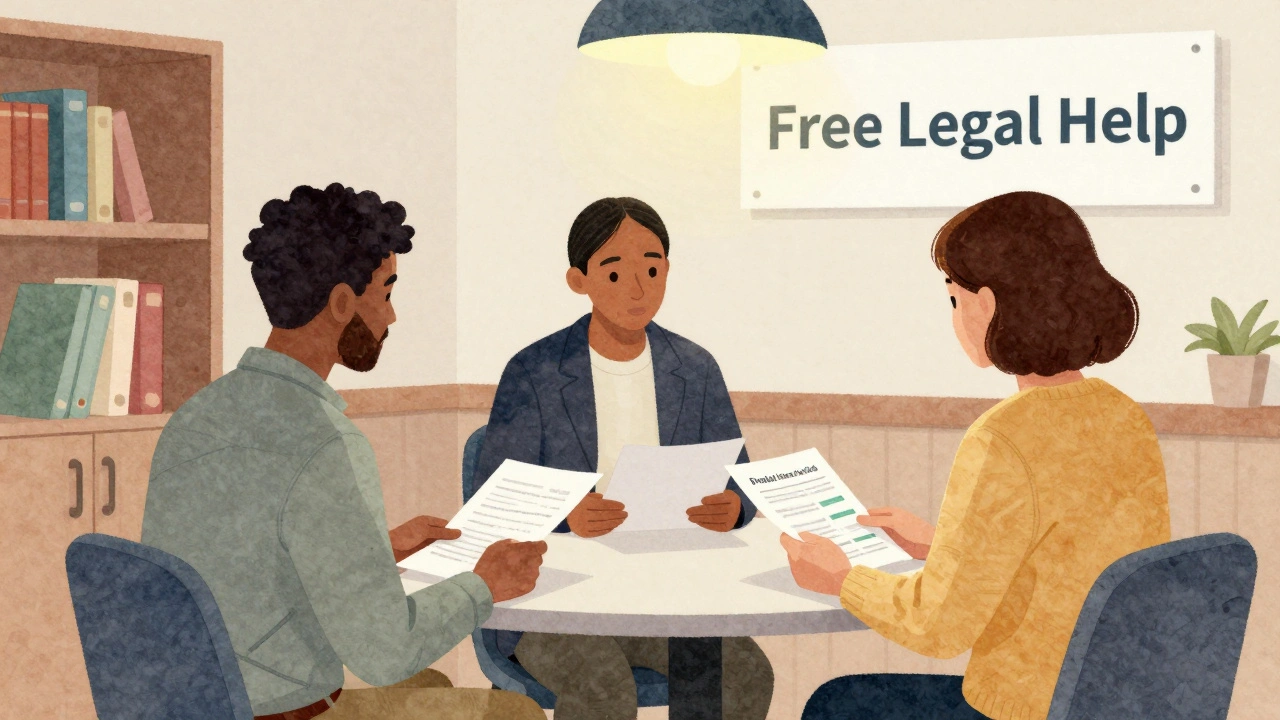
Free and Low-Cost Legal Options
You don’t need to pay $300 an hour to get help. There are free services built for people like you.
Legal Aid commissions-like Legal Aid WA-offer free advice for criminal charges, family law, and tenancy issues. You might qualify even if you earn above the poverty line. They don’t ask where your money comes from.
Pro bono clinics-run by law schools or bar associations-let law students (supervised by licensed lawyers) help with basic legal problems. In Melbourne, the La Trobe Law Clinic has helped sex workers draft cease-and-desist letters to abusive clients. In Sydney, the Community Law Centre offers free 30-minute consultations.
Online legal tools-like LawRight or Justice Connect-let you upload your situation and get a written response from a lawyer. You don’t need to call. You don’t need to leave your home. You can do it anonymously.
Some services even offer interpreter support. If English isn’t your first language, ask. They’ll find someone who speaks your language.
What to Bring to Your First Meeting
You don’t need a thick file. You don’t need receipts or bank statements. But these things help:
- A copy of any police report or court notice
- Text messages or emails showing threats, non-payment, or harassment
- Your rental agreement or lease
- The name and contact info of anyone involved (client, landlord, police officer)
If you don’t have any of these, that’s okay. Lawyers know you might not have kept records. They’ve seen it before. Just tell them what happened. When. Where. Who.
Bring a notebook. Write down what the lawyer says. Ask for their name, phone number, and email. If they promise to call you back, don’t wait a week. Call them after 48 hours. Lawyers are busy. But if you’re quiet, you’ll get lost.
Red Flags: Lawyers Who Won’t Help You
Not every lawyer is safe to work with. Watch out for these warning signs:
- They say, “I don’t support sex work.” That’s not your problem. Your problem is your rights being violated.
- They ask for your real name, ID, or photos. You don’t have to give them. Many legal aid services accept pseudonyms.
- They tell you to “just stop working.” That’s not legal advice. That’s moralizing.
- They charge $500 just for a 15-minute call. That’s not normal. Free services exist.
- They pressure you to plead guilty to a charge you didn’t commit. That’s unethical. And illegal.
If any of these happen, stop talking. Walk out. Call another service. You have options.

What Happens If You Get Arrested?
If you’re arrested, stay calm. Say nothing. Don’t explain. Don’t justify. Don’t apologize.
Ask for a lawyer. Say: “I want to speak to a lawyer before I answer any questions.” That’s your right. They can’t force you to talk.
If you don’t have a lawyer, ask for the Police Legal Advice Service. It’s free. It’s available 24/7 in every Australian state. They’ll send someone to the station. They won’t ask questions. They’ll just protect your rights.
Don’t sign anything. Don’t agree to bail conditions unless a lawyer says it’s safe. Police might say, “Just sign this and you can go.” Don’t. Not without legal advice.
Once you’re out, contact a sex worker advocacy group immediately. They know which lawyers to call. They’ve done this before.
Building a Legal Support Network
Legal help isn’t a one-time thing. It’s a safety net. The more people you know who’ve been through this, the safer you are.
Join a peer network. In Perth, there’s a monthly drop-in for sex workers run by Scarlet Alliance. You can talk about police harassment, rent hikes, or how to find a lawyer without fear. You’re not alone.
Keep a list of trusted contacts: a lawyer, a peer worker, a hotline number. Save them in your phone under a fake name. Use a password-protected app. Don’t store them in your notes app where anyone can see.
Teach others. If you find a good lawyer, tell someone you trust. If you hear about a bad one, warn others. This is how change happens.
Why This Matters Beyond You
When you get legal help, you’re not just helping yourself. You’re helping everyone who comes after you.
Every time a sex worker successfully fights an eviction, every time a client is prosecuted for assault, every time a lawyer learns how to represent us-we shift the law. Courts start to see us as people. Police start to take our reports seriously. Laws start to change.
You don’t need to be a hero. You just need to ask for help. And keep asking.
Can I get legal help if I’m undocumented or on a visa?
Yes. Legal aid services in Australia don’t check immigration status when helping with criminal, tenancy, or violence-related issues. Your immigration status doesn’t remove your right to safety, fair housing, or protection from assault. Organizations like the Human Rights Law Centre and community legal centers have helped undocumented sex workers for years. You can use a pseudonym and ask for confidentiality.
What if my lawyer tells me to stop working?
That’s not legal advice. A lawyer’s job is to protect your rights, not to judge your choices. If they pressure you to quit your job, they’re overstepping. You can report them to your state’s legal services commission. You have the right to work safely, no matter what they think.
Can I sue a client who didn’t pay me?
Yes. Even without a written contract, verbal agreements can be legally binding in Australia if you can prove they were made. Save text messages, emails, or witness statements. Community legal centers can help you draft a letter demanding payment. Many cases like this are settled without going to court.
Are there lawyers who specialize in sex work cases?
There aren’t many who advertise as “sex work lawyers,” but there are dozens who have handled these cases before. Look for lawyers who’ve worked with marginalized communities-migrant workers, LGBTQ+ people, people with criminal records. They’re more likely to understand your situation. Contact Scarlet Alliance or your local community legal center-they’ll give you names.
What if I’m scared to talk to a lawyer because I’ve been arrested before?
That fear is valid. But lawyers who work with sex workers know this happens. They’ve seen it. They don’t report you. They don’t judge you. Start with a free service like Legal Aid WA or a community legal center. They’re used to people who are scared. They’ll walk you through it slowly. You don’t have to tell them everything at once.