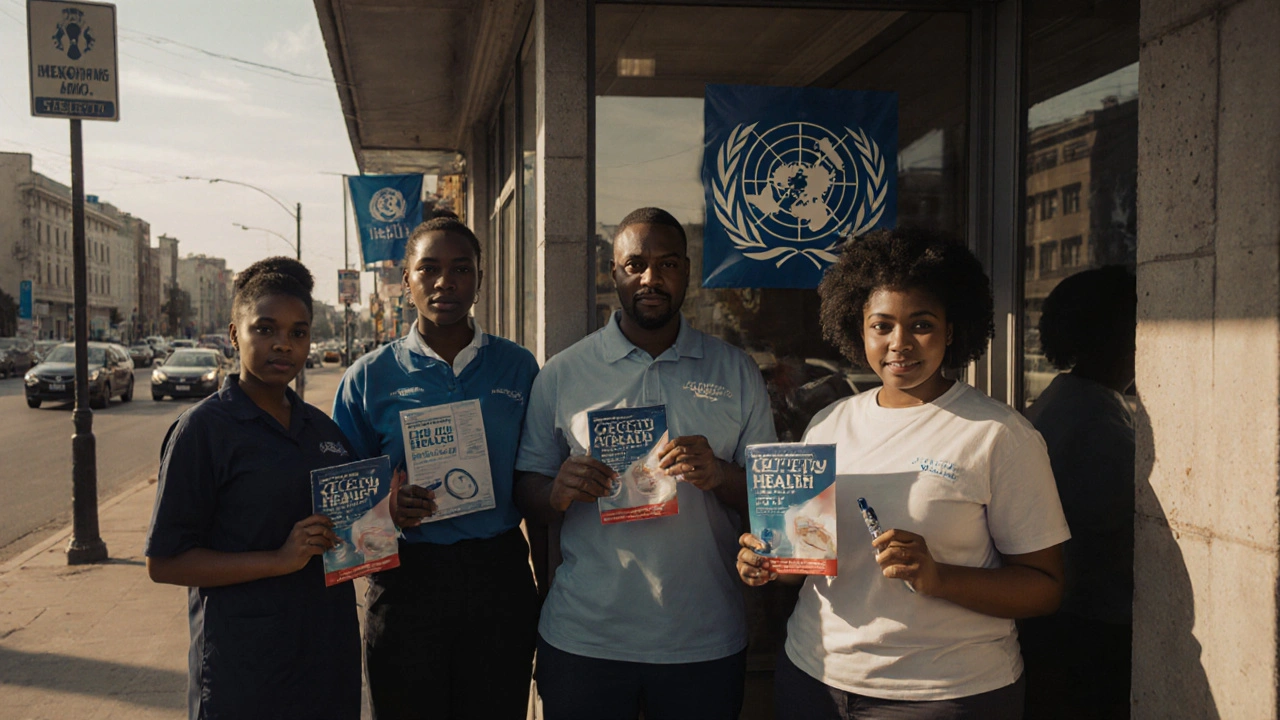
Sex work is not a crime in many parts of the world, but it is still treated like one in practice. Thousands of sex workers face violence, arrest, and exclusion from healthcare simply because of the work they do. The United Nations and the World Health Organization don’t see sex work as a moral failure-they see it as a public health and human rights issue. Their positions are grounded in data, not stigma. And those positions matter because they shape laws, funding, and how governments treat people who sell sex.
What the UN Actually Says About Sex Work
The United Nations doesn’t have one single rule for sex work, but its agencies have been clear for over a decade: criminalizing sex work makes people less safe. In 2012, UNAIDS issued a policy brief that directly linked criminalization to higher HIV rates among sex workers. Their research showed that when sex workers are afraid of police, they don’t carry condoms, they avoid clinics, and they can’t report violence. The result? HIV infection rates were up to 30% higher in places where sex work was illegal.
By 2020, the UN Human Rights Council formally called on all member states to decriminalize consensual adult sex work. That’s not a suggestion-it’s a binding recommendation under international human rights law. The UN’s Special Rapporteur on the Right to Health, then Dr. Tlaleng Mofokeng, said: "Criminalization is not a tool for protection. It is a tool for control." The UN’s position is simple: if you want to protect people’s health and safety, stop treating them like criminals.
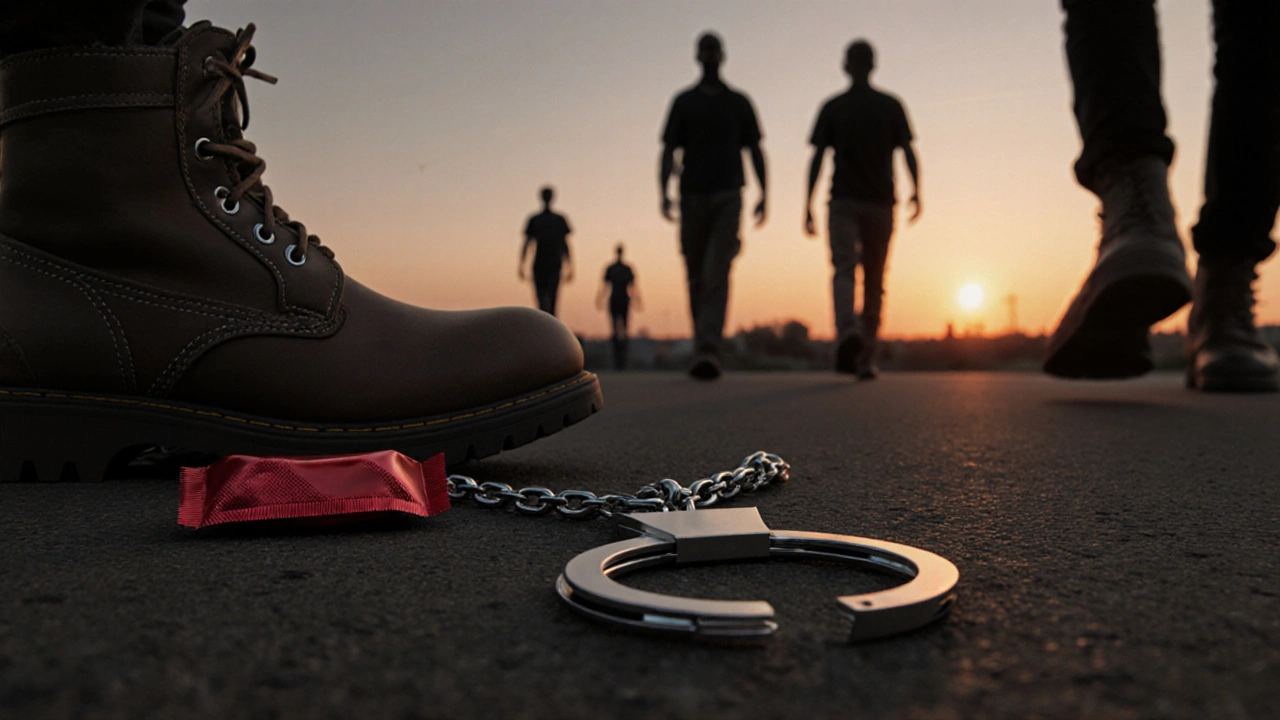
UN Women and the Office of the High Commissioner for Human Rights have echoed this. They point out that sex workers-especially trans women, migrants, and Black and Indigenous people-are disproportionately targeted by police. In countries where sex work is illegal, police often use possession of condoms as evidence of prostitution. That means sex workers are forced to choose between staying safe and avoiding arrest.
The WHO’s Evidence-Based Approach
The World Health Organization doesn’t take moral stances. It looks at data. And the data shows that decriminalization saves lives.
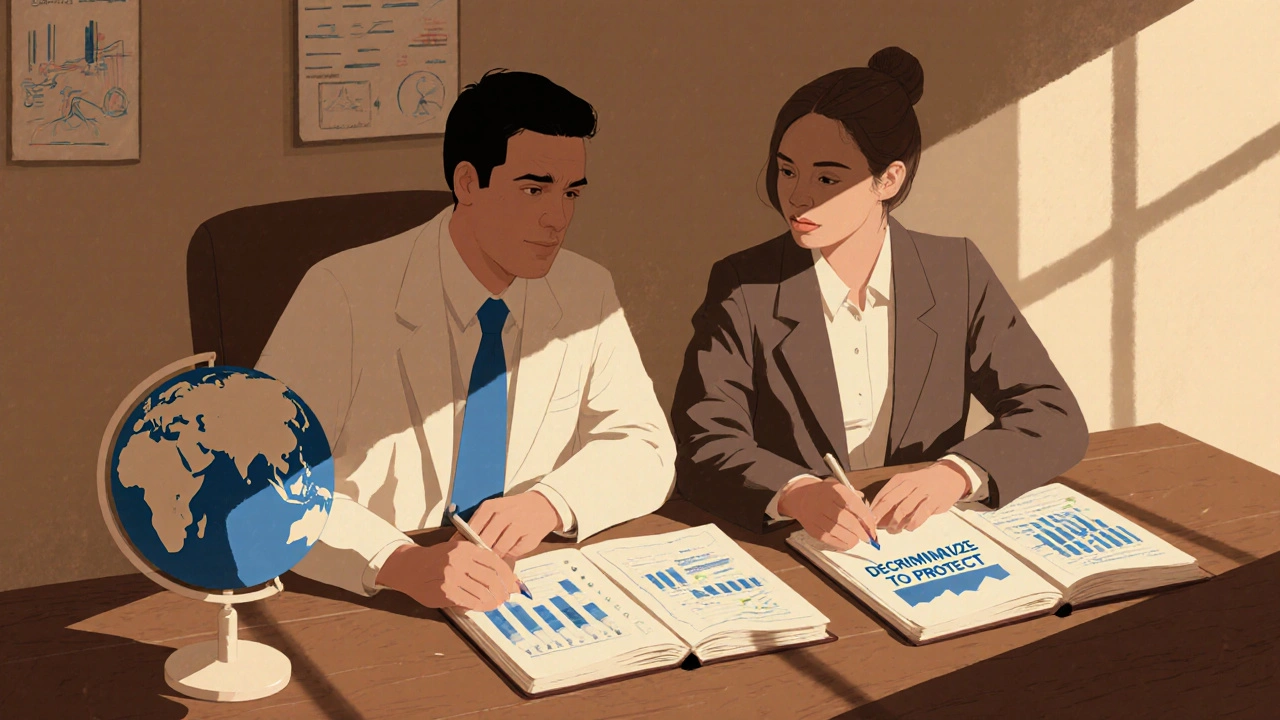
In 2012, WHO released guidelines for HIV prevention among sex workers. These weren’t vague suggestions. They were specific: "Decriminalize sex work. Remove laws that criminalize sex work, solicitation, brothel-keeping, and living off the earnings of sex work." They based this on a review of 137 studies across 35 countries. The strongest evidence came from places like New Zealand, where sex work was fully decriminalized in 2003. After the law changed, sex workers reported a 40% drop in violent incidents. More workers used condoms consistently. More accessed health services.
WHO also looked at places where only some parts of sex work were criminalized-like Sweden’s "Nordic model," which punishes buyers but not sellers. The results? Sex workers moved underground. They worked in more isolated areas. They had less control over clients. Violence didn’t go down. It got worse. WHO concluded that partial criminalization doesn’t reduce harm-it just hides it.
WHO’s 2021 update reinforced this. They added new data from South Africa, where decriminalization pilots led to a 50% increase in condom use among sex workers. In Thailand, when police were trained not to arrest sex workers, HIV testing rates jumped by 35% in one year. These aren’t abstract outcomes. They’re real people getting tested, getting treated, and living longer.
Why Decriminalization Isn’t Legalization
People often confuse decriminalization with legalization. They’re not the same. Legalization means the government sets rules for who can do sex work, where, and how. It often requires licensing, registration, or health checks. In practice, that means only some sex workers are allowed to work legally-usually those who can afford fees, speak the language, or pass background checks. Migrants, trans people, and those without documents get left out.
Decriminalization removes criminal penalties entirely. It treats sex work like any other job. No permits. No registration. No police raids. Sex workers can negotiate prices, screen clients, work together, and call the police when something goes wrong. That’s what happened in New Zealand. There’s no special sex work law anymore. It’s covered under general labor and safety laws.
WHO and the UN both recommend decriminalization, not legalization. Why? Because regulation often becomes a tool for exclusion. When the state controls who can work, it controls who matters. And too often, the people who need protection the most are the ones left behind.
What Happens When Countries Ignore These Guidelines
In the U.S., sex work is illegal in all states except some parts of Nevada. Even there, it’s restricted to licensed brothels in rural counties. Most sex workers operate outside the law. That means they can’t report rape without risking arrest. In 2023, a study in Chicago found that 68% of sex workers had been physically assaulted in the past year. Only 7% reported it to police. Why? Because they didn’t trust the system.
In Russia, sex work is technically legal, but everything around it-advertising, working together, renting a room-is banned. Police use these laws to extort money. Sex workers pay bribes just to avoid being arrested. A 2024 report from Human Rights Watch found that 80% of sex workers in Moscow had been forced to give up part of their earnings to police. That’s not protection. That’s state-sponsored exploitation.
Even in places with strong human rights records, like Australia, sex work laws are a patchwork. In New South Wales, it’s decriminalized. In Victoria, it’s legal but heavily regulated. In Queensland, it’s still partially criminalized. The result? Sex workers in Queensland are 2.5 times more likely to be arrested than those in NSW, even though the population is similar. Health outcomes follow the same pattern.
How These Frameworks Are Changing Real Lives
When countries follow UN and WHO advice, things improve-not just statistically, but in daily life.
In 2022, Portugal began a pilot program in Lisbon where sex workers could register voluntarily with a health NGO. They got free STI testing, legal advice, and mental health support. No police involvement. Within 18 months, HIV transmission rates among sex workers dropped by 42%. The program cost less than $50,000 a year. The savings in healthcare and policing? Over $1.2 million.
In Canada, after the Supreme Court struck down key anti-prostitution laws in 2013, sex worker organizations pushed for decriminalization. Today, groups like the Canadian Alliance for Sex Work Law Reform run peer-led health programs in cities like Vancouver and Toronto. They train sex workers to identify signs of trafficking, distribute naloxone kits, and teach clients about consent. These aren’t charity programs. They’re public health initiatives run by the people most affected.
And in Argentina, where sex work was decriminalized in 2021, sex workers now have access to social security, pensions, and unemployment benefits. They can open bank accounts. They can get loans. One sex worker in Buenos Aires told a journalist: "Now I can say I’m a worker. Before, I was a criminal. There’s a difference."
What’s Holding Countries Back?
The biggest barrier isn’t evidence. It’s stigma. Politicians still talk about "saving" sex workers from themselves. They cite myths: that most sex workers are trafficked, that decriminalization means more exploitation, that it sends the wrong message to youth.
But the data doesn’t back that up. The UN Office on Drugs and Crime estimates that less than 10% of sex workers globally are victims of trafficking. Most enter sex work voluntarily-for money, flexibility, or because other jobs don’t pay enough. And countries that decriminalize don’t see a surge in sex work. In New Zealand, the number of sex workers stayed stable after decriminalization. In the Netherlands, it actually dropped slightly.
What changes is safety. And dignity.
Where Do We Go From Here?
The UN and WHO have given clear guidance. The evidence is overwhelming. The question isn’t whether decriminalization works-it’s why more countries still resist it.
If you care about public health, human rights, or ending violence against women and gender-diverse people, then supporting decriminalization isn’t optional. It’s the only approach that’s been proven to work. The alternatives-criminalization, legalization, the Nordic model-have all failed. They’ve pushed people into danger. They’ve cost lives.
The path forward is simple: remove criminal penalties. Fund peer-led health services. Let sex workers organize. Stop treating them as problems to be solved, and start treating them as people with rights.
This isn’t about endorsing sex work. It’s about protecting the people who do it. And that’s not a radical idea. It’s basic human rights.