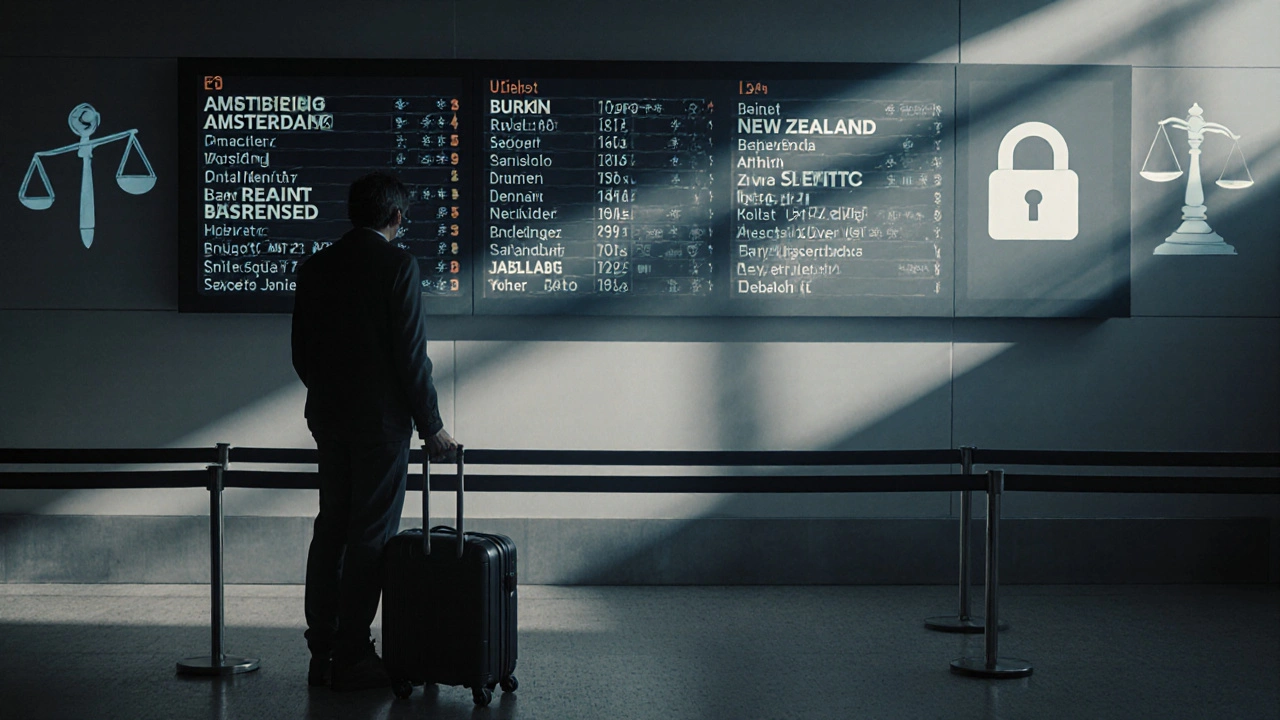
Before you book your next flight, know this: in some countries, paying for sex could land you in jail. In others, it’s as legal as ordering a coffee. But legality doesn’t mean safety. And safety doesn’t always mean legality. If you’re traveling and considering sex work, you need more than a tourist map-you need a clear, honest breakdown of what’s allowed, what’s dangerous, and what happens if you get caught.
Where Is Sex Work Legal? And What Does ‘Legal’ Actually Mean?
Legal doesn’t mean unregulated. In the Netherlands, sex work is legal and licensed. Workers can open agencies, pay taxes, and get health insurance. But in practice, many operate outside the system because the paperwork is expensive and the rules are strict. In Germany, it’s legal too, but only if you register as a business and pass a health check. Unregistered workers are still breaking the law-even if clients aren’t.
In New Zealand, sex work was decriminalized in 2003. That means no criminal penalties for workers, clients, or managers. The law treats it like any other job. Health services, labor rights, and police protection are available. It’s the only country where this model has been studied long-term-and the results show lower rates of violence and trafficking compared to places with criminalization.
But don’t assume legality equals safety. In Nevada, only certain rural counties allow brothels. Las Vegas? Illegal. If you’re in Reno and think you’re safe because it’s legal, you’re right-but only if you go to a licensed brothel. Street work or unlicensed private arrangements? Still illegal. And police can still arrest you for solicitation if you’re not in the right place.
Where Is It Illegal? And Who Gets Punished?
In the U.S., most states ban sex work. But enforcement varies wildly. In cities like Los Angeles or Chicago, police often target workers, not clients. In others, like Portland, there’s a growing push to decriminalize and shift focus to traffickers. But if you’re caught paying for sex in Texas, you could face fines, mandatory classes, or even a criminal record that shows up on background checks.
In Japan, sex work is technically illegal-but loopholes make it widespread. Hostess bars, soaplands, and delivery health services operate in gray zones. You’re not breaking the law if you don’t have penetrative sex. But if you cross that line, you’re risking arrest. Tourists have been detained for using these services, even if they thought they were harmless.
In France, Sweden, and Norway, buying sex is illegal, but selling it isn’t. This is called the Nordic Model. The idea is to punish demand, not workers. But in practice, it pushes sex work underground. Workers can’t screen clients safely. They can’t work together. They’re more vulnerable to violence because they can’t report abuse without fear of being linked to illegal activity. Tourists who pay for sex in Stockholm? They can be fined up to €1,500 and get a criminal record that follows them home.
What Happens If You Get Caught?
Being arrested for sex work abroad isn’t like getting a parking ticket. In Dubai, it’s a felony. Foreigners caught engaging in sex work face deportation, jail time (up to 10 years), and a permanent ban from re-entering the UAE. Even if you thought you were just paying for companionship, if it involved any sexual act, you’re breaking the law. The UAE doesn’t distinguish between prostitution and consensual encounters-any sexual activity outside marriage is illegal.
In Thailand, sex work is technically illegal but widely tolerated. That doesn’t mean you’re safe. Police raids happen. Foreigners have been detained for months while waiting for court dates. If you’re caught, you’ll likely be deported. But you might also be forced to pay a bribe just to get out of jail. And if you’re caught with a minor-even if you thought they were 18-you’re looking at decades in prison and international extradition.
In South Korea, the penalties are harsh. Foreigners caught paying for sex can be deported and banned for life. The government runs public campaigns warning tourists. Cameras and undercover officers are common in red-light districts. Many travelers don’t realize that even asking for sex in a bar can be considered solicitation.

How to Stay Safe (Even If It’s Legal)
Legal doesn’t mean safe. Even in places like the Netherlands or New Zealand, scams, theft, and violence happen. Here’s how to reduce risk:
- Never go alone to unfamiliar locations. If you’re meeting someone, choose a public place first. Avoid isolated apartments or remote areas.
- Use verified platforms. Sites like Redbook or Eros have user reviews and verification systems. Avoid random ads on social media or Telegram.
- Check for ID and health records. In legal zones, workers often show proof of registration and recent STI tests. Ask. Don’t assume.
- Carry no cash. Use digital payments when possible. If you must pay cash, keep it hidden until the end.
- Know your rights. In some countries, you can call your embassy if you’re arrested. Keep their number saved offline.
And never, ever assume that because someone looks young, they’re over 18. Human traffickers target tourists. If a worker seems nervous, avoids eye contact, or has no control over their schedule, walk away. You might be paying for exploitation.
What About Digital Sex Work? Is That Safe?
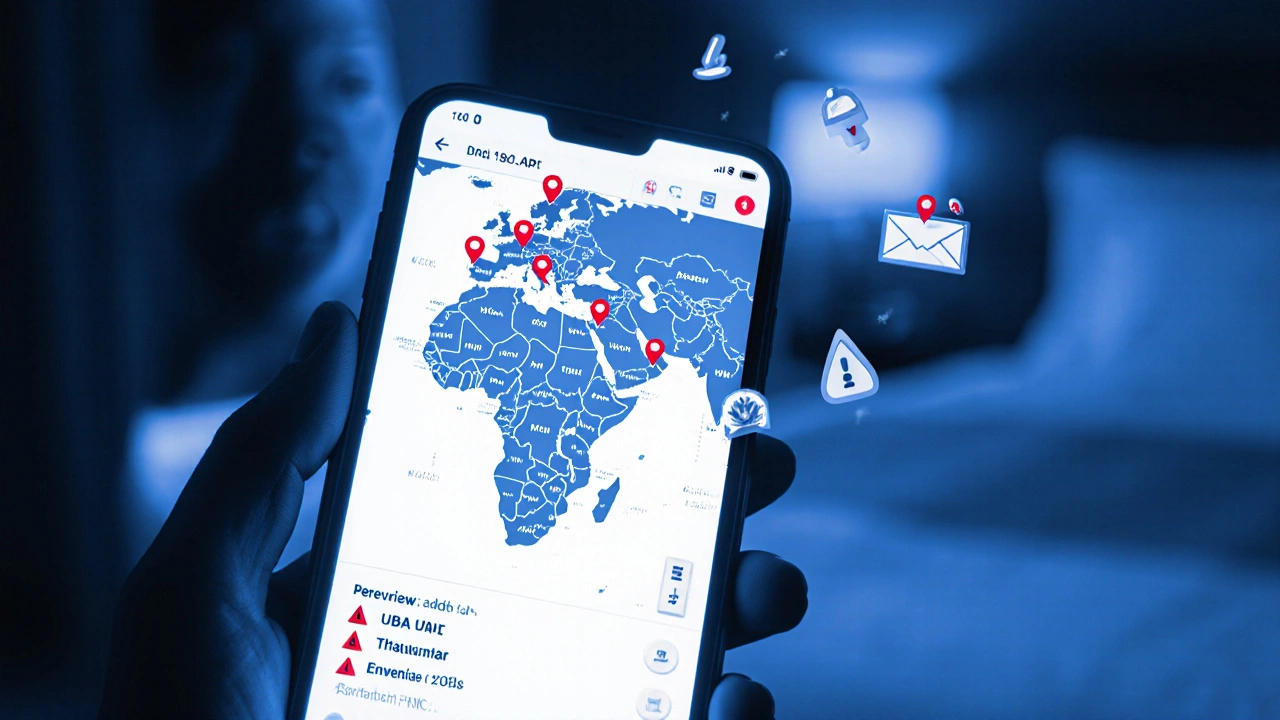
Many travelers now turn to cam models, virtual dates, or paid video calls. These are legal in almost every country-because no physical contact happens. But there’s a catch: if you’re recording or sharing content, you could be violating local laws on pornography, even if you’re not in the country when you view it.
Some countries, like Saudi Arabia and Iran, ban all forms of online adult content. If you’re caught downloading or streaming, your devices can be seized. Your phone could be searched at the border. You might be questioned by authorities. In extreme cases, you could be charged with importing illegal material.
Use a VPN. Don’t store explicit files on your devices. And never use your real name or email when signing up for adult platforms. Your digital footprint travels with you.
What Should You Do If You’re Already Involved?
If you’ve already paid for sex abroad and now you’re worried, here’s what to do:
- Don’t delete anything. Messages, receipts, photos-they might be evidence you need later.
- Don’t contact the person again. That could be seen as an attempt to cover up or bribe.
- Do contact your embassy. They can’t get you out of jail, but they can help you find a lawyer and make sure you’re treated fairly.
- Don’t assume you’re safe just because you’re a tourist. Governments don’t care if you didn’t know the law. Ignorance isn’t a defense.
If you’re feeling guilty, scared, or confused, reach out to organizations like the Global Network of Sex Work Projects. They offer confidential support and legal advice for travelers caught in these situations.
Final Reality Check
There’s no global rulebook. What’s legal in one country is a felony in the next. And even where it’s legal, the social stigma, police corruption, and exploitation risks remain. Travelers who treat sex work like a casual service often end up in trouble-because they didn’t research the law, the culture, or the human cost.
Respect the law. Respect the people. And if you’re not sure, don’t do it. The risk isn’t just legal-it’s personal. And once you cross that line, there’s no undo button.
Is sex work legal in Thailand?
Technically, no. Thailand’s laws ban prostitution, but enforcement is inconsistent. Brothels operate openly in some areas, and many workers are not arrested. However, tourists have been detained, deported, or fined. If you’re caught with a minor-even if you thought they were legal age-you face serious prison time. The safest choice is to avoid it entirely.
Can I be arrested for paying for sex in the Netherlands?
No, if you’re paying for sex in a licensed brothel with a registered worker. But if you go to a street worker, an unlicensed apartment, or a place that doesn’t follow local rules, you could be fined or arrested. The law protects legal, regulated work-not all forms of sex work.
What happens if I get caught in Dubai?
You face jail time (up to 10 years), heavy fines, and mandatory deportation. The UAE does not recognize consent outside marriage. Even if you paid for companionship and no sex occurred, if a sexual act happened, you’re breaking the law. Tourists have been imprisoned for months while waiting for court dates.
Is it safe to use apps to find sex workers abroad?
Some apps have verification systems, but many are used by traffickers or scammers. Always check reviews, ask for ID, and meet in public first. Never share your real name, address, or travel plans. Use a burner email and avoid linking your social media. Even on legal platforms, you’re still at risk of being targeted by police in countries where the law is unclear.
Can I get in trouble back home for sex work I did overseas?
Yes. Some countries, like the U.S. and Australia, have laws that let them prosecute citizens for sex tourism-even if the act was legal where it happened. If you paid for sex with a minor, you can be charged under child exploitation laws regardless of location. Your passport can be flagged. Your bank account could be monitored. Don’t assume your home country won’t find out.
Are there safe alternatives to paid sex while traveling?
Yes. Many travelers find meaningful connections through cultural exchanges, language meetups, or volunteer programs. Apps like Meetup or Couchsurfing help you connect with locals without financial exchange. If you’re seeking intimacy, consider whether you’re looking for connection-or just a transaction. The first is far safer and more rewarding.