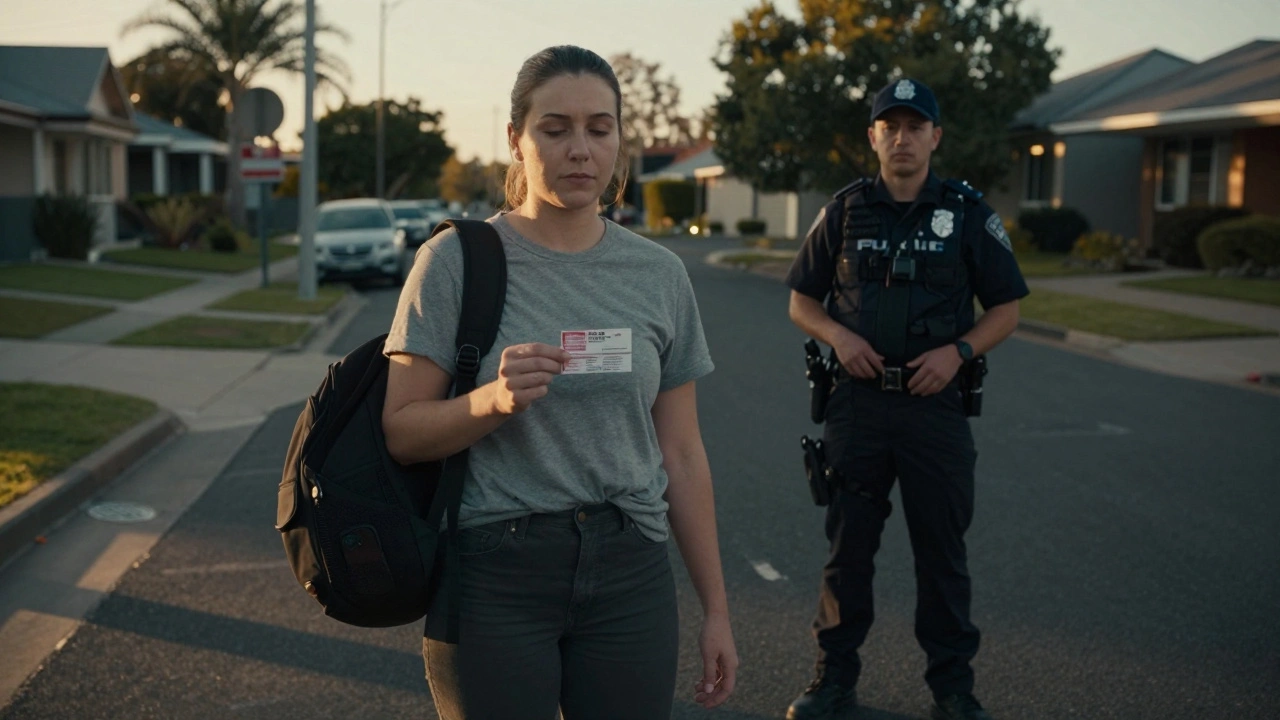
Being stopped by police as a sex worker can feel terrifying. You’re not sure if you’re being targeted, if your rights even matter, or what happens next. The truth? You have rights - and knowing them can change everything. In Australia, including Perth, sex work is legal in many forms, but confusion, stigma, and inconsistent enforcement still put workers at risk. This guide gives you clear, practical steps to stay safe, protect your rights, and walk away with your dignity intact.
Know What’s Legal Where You Work
Laws around sex work vary by state and even by local council. In Western Australia, including Perth, it’s legal to work independently as a sex worker. You can advertise online, work from your own home, and negotiate terms with clients. But brothels are still illegal unless licensed under very narrow conditions. Soliciting in public - like standing on a street corner - is also against the law.That means if you’re working from home or using an online platform, you’re generally within your rights. But if police see you near a known area where soliciting happens, they might assume you’re breaking the law. Knowing the difference between what’s legal and what’s not gives you power in the moment.
Do Not Consent to Searches
Police can’t search you, your phone, or your belongings without a warrant - unless they arrest you or have reasonable suspicion you’re carrying something illegal, like drugs. Even then, they must tell you why.Never say, “Okay, go ahead.” That’s consent. Instead, say clearly: “I do not consent to this search.” Keep your tone calm. Your words matter. If they proceed anyway, don’t resist. Record it if you can - even just holding your phone up - and note the officer’s badge number. Later, you can file a complaint. Resistance can lead to charges like obstruction. Silence and refusal are your tools.
Do Not Answer Questions Without Legal Advice
Police might ask: “Are you a sex worker?” “Who are you meeting?” “Do you have condoms?” “How much do you charge?”You don’t have to answer any of these. You have the right to remain silent. Anything you say can be used against you. Even saying “I’m just talking to a friend” can be twisted. The safest response is: “I’d like to speak to a lawyer before answering any questions.”
Most police won’t push back. They’re trained to move on if you don’t cooperate. If they keep pressing, repeat the same phrase. Don’t argue. Don’t explain. Don’t apologize. Just say it again.
Keep Your Phone Secure
Your phone is your lifeline - client lists, payment records, safety contacts, and evidence of consent. Police can’t force you to unlock it. They can’t look through your messages, photos, or apps without a warrant.If they ask for your phone, say: “I do not consent to you accessing my phone.” If they try to take it, ask: “Will you be issuing a formal seizure notice?” Write down the time, officer’s name, and what they say. If they confiscate it, get a receipt. If they don’t give one, say: “I request a receipt for this item.”
Use a passcode. Don’t use Face ID or fingerprint - those can be forced in some cases. Enable two-factor authentication on messaging apps. Store sensitive info in encrypted apps like Signal. Delete old messages regularly. You’re not hiding crime - you’re protecting your privacy.

Carry a Safety Card
Print a small card with your rights written plainly. Keep it in your wallet or phone case. Here’s what to include:- I am not required to answer your questions.
- I do not consent to searches without a warrant.
- I wish to speak to a lawyer before answering anything.
- Contact: Legal Aid WA - 1300 650 579 | Sex Workers Outreach Project (SWOP) - 0402 355 467
Hand it to the officer if things get tense. It shows you’re prepared, not combative. Many officers have never seen this. It changes the tone.
What Happens If You’re Arrested?
If you’re arrested, you’re not guilty. You’re being taken in for questioning. You still have rights.Ask for a lawyer immediately. Don’t wait. Say: “I want a lawyer now.” If they say, “You can call one later,” say: “I want one now.” You’re entitled to one before any questioning.
Don’t sign anything. Not even a statement saying “I understand my rights.” If they pressure you, say: “I will not sign anything until I speak to my lawyer.”
Call your emergency contact - a friend, coworker, or support group - as soon as you’re in the cell. Tell them where you are and what happened. If you’re scared, say it out loud: “I’m scared. I need help.” That’s not weakness. It’s survival.
Document Everything
After any encounter, write down everything while it’s fresh. Date, time, location, officer name or badge number, what was said, what happened, what was taken, what you said. If you have a recording, label it clearly.Save screenshots of any messages or apps that show you were working consensually. Keep receipts for rent, advertising, or safety tools. These aren’t “proof of crime.” They’re proof you’re a worker trying to stay safe.
Report incidents to SWOP or Legal Aid WA. They track patterns. One report might seem small. Ten reports from different workers? That’s data that leads to change.
Know Your Support Network
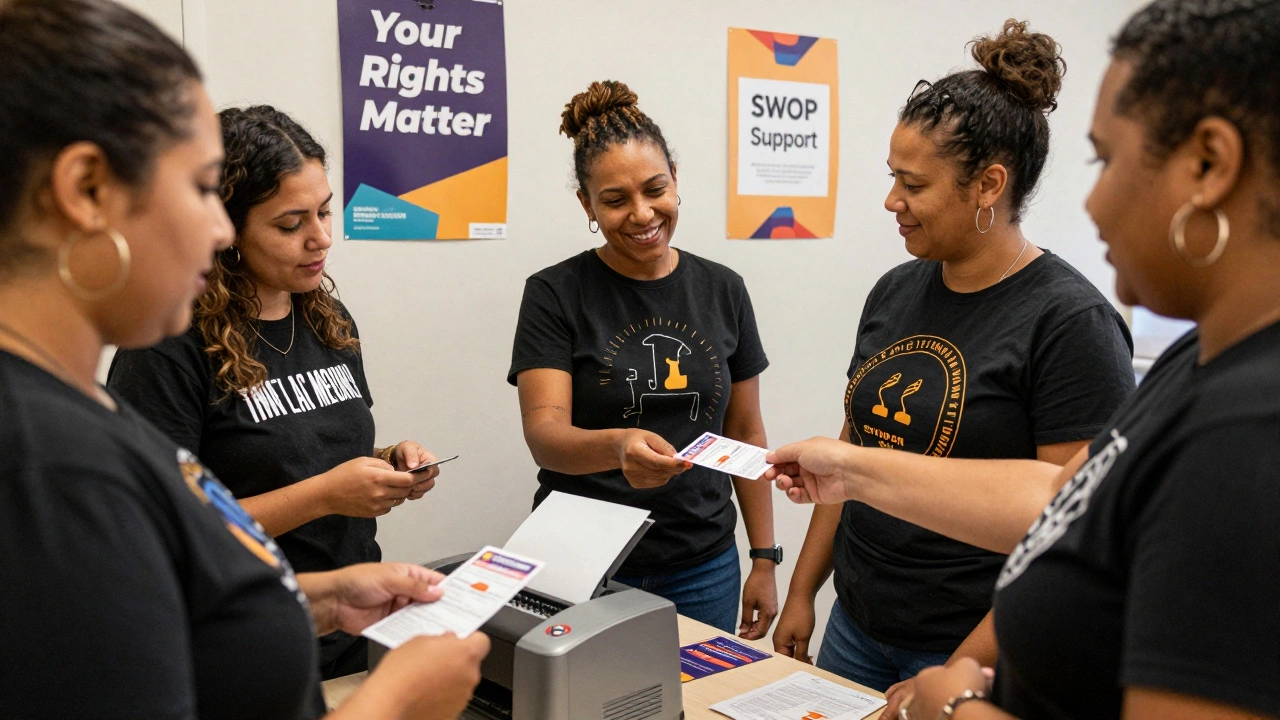
You don’t have to face this alone. In Perth, SWOP (Sex Workers Outreach Project) offers free legal advice, safety training, and peer support. They can help you file complaints, connect with lawyers, or just talk when you’re shaken.Other groups like the Australian Sex Workers Association and the Red Umbrella Fund offer national resources. Join a peer group. Share tips. Learn from others. Safety isn’t just about what you do alone - it’s about who you’re connected to.
Practice the Script
The hardest part isn’t knowing your rights - it’s saying them out loud when you’re scared. Practice them. Say them in the mirror. Say them with a friend. Say them in your head before you go out.Here’s a simple script you can use:
- “I do not consent to a search.”
- “I choose to remain silent.”
- “I want to speak to a lawyer.”
- “I will not sign anything.”
Repeat. Don’t add more. Don’t explain. Don’t justify. Just say it. Then wait. Silence is powerful.
Change Starts With You
Police encounters aren’t random. They’re shaped by stigma, outdated laws, and fear. But every time you assert your rights, you push back. Every time you document, you add to the evidence. Every time you speak up - to a peer, to a lawyer, to a journalist - you help change the system.You’re not breaking the law by working safely. You’re not asking for pity. You’re asking for respect. And you deserve it.
Can police arrest me just for being a sex worker?
No. Being a sex worker is not a crime in Western Australia if you’re working independently. Police can only arrest you if they believe you’re breaking a specific law - like soliciting in public, operating an unlicensed brothel, or engaging in illegal activity like drug possession. They cannot arrest you simply because you’re a sex worker.
What if police say they’re doing a ‘routine check’?
There’s no such thing as a ‘routine check’ that lets them search you or demand answers. Even if they say it’s routine, you still don’t have to answer questions or allow searches without a warrant. Politely repeat: ‘I do not consent to a search,’ and ‘I choose to remain silent.’ You’re not being rude - you’re exercising your legal rights.
Can police take my condoms or lube as ‘evidence’?
No. Condoms, lube, or other safer sex supplies cannot be used as evidence of sex work. Courts have ruled repeatedly that these are health items. If police try to seize them, say: ‘These are medical supplies, not evidence.’ If they still take them, ask for a receipt and report it to SWOP immediately.
Should I carry ID?
You’re not legally required to carry ID unless you’re driving. But if you choose to carry one, keep it simple - a photo ID or driver’s license. Don’t carry anything that links you to your work, like business cards or client lists. If police ask for ID, you can say: ‘I don’t have it on me.’ They can’t force you to produce it unless they arrest you.
What if I’m stopped while driving to a client?
If you’re pulled over for a traffic violation, you must show your license, registration, and insurance. But you don’t have to answer questions about your destination or purpose. Say: ‘I’m on my way to an appointment.’ That’s enough. Police cannot search your car without reasonable suspicion of a crime - like visible drugs or weapons. Don’t volunteer information.
Next Steps: Build Your Safety Plan
Start today. Print your safety card. Save SWOP’s number in your phone under a fake name. Practice your script. Talk to one other worker about what they’ve experienced. Share what you learn.Safety isn’t a one-time fix. It’s a habit. And the more you build it into your routine, the less power fear has over you.