
Every day, sex workers log into apps and websites to connect with clients. It’s how they earn. But behind the convenience of a swipe or a message is a hidden danger: scammers, fake profiles, and impersonators who don’t just waste time-they steal money, expose identities, and sometimes put lives at risk. You’re not paranoid. You’re smart. And you’re not alone.
How Scammers Target Sex Workers Online
Scammers don’t guess. They study. They look for patterns: workers who use the same photo across platforms, who don’t verify payments before meeting, who reply too quickly to new messages. They create fake profiles using stolen photos-often from models or celebrities-and pose as wealthy clients, government officials, or even other sex workers offering "safety tips."
In 2024, a study by the Global Network of Sex Work Projects found that 68% of sex workers using online platforms reported being targeted by impersonators. These aren’t just spam bots. Many are organized groups with templates, scripts, and even fake payment screenshots. One worker in Sydney lost $2,300 after agreeing to a "prepayment for security screening"-a scam that didn’t exist outside the scammer’s message.
Red Flags You Can’t Ignore
Not every odd message is a scam. But some signs are non-negotiable:
- They refuse video calls-even a 30-second check-in before meeting. Real clients don’t fear being seen.
- They ask for personal info early-your full name, address, ID, or bank details. No legitimate client needs this before booking.
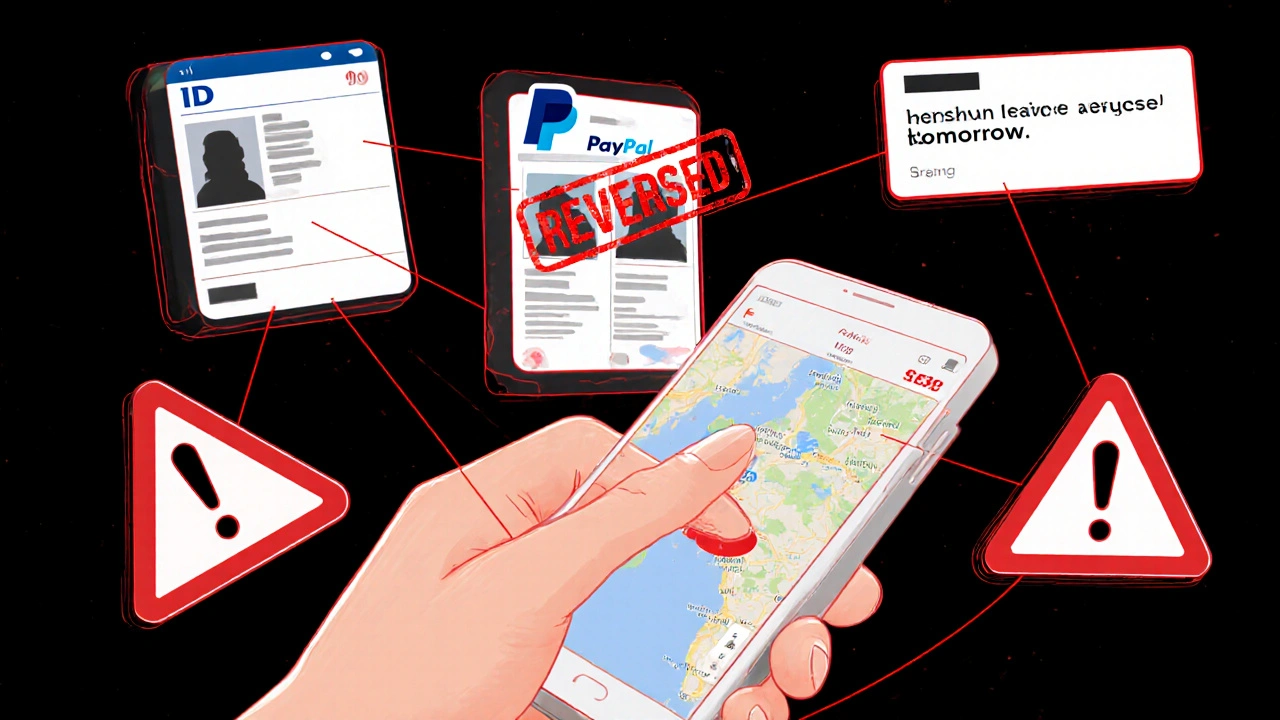
- They send payment screenshots-but never actual transfers. Fake PayPal, Venmo, or Zelle receipts are easy to make. Always wait for confirmed funds in your account.
- They pressure you-"I’m leaving town tomorrow," "This is a one-time offer," "I’ll pay double if you skip the screening."
- They use odd language-overly formal, broken English, or robotic phrasing. Many scammers use AI tools that don’t understand cultural context.
One worker in Melbourne got a message from someone claiming to be a "health inspector" needing to verify her services. She asked for an official badge. He sent a blurry photo of a fake ID. She blocked him. Two days later, the same profile appeared under a new name on another platform.
Protecting Your Digital Footprint
Your photos, location, and username are clues. Scammers piece them together like a puzzle.
- Use a separate email for work-not your personal one. Create it with a fake name if needed.
- Don’t reuse profile pictures across apps. Use different lighting, angles, or outfits. Even small changes make reverse image searches harder.
- Turn off location tagging in all apps. Don’t post from your home. Use a VPN if you’re on public Wi-Fi.
- Never link your social media to your work profiles. A single Instagram post with your face and a date stamp can be used to track you.
- Use a burner phone number for work. Apps like Google Voice or Burner let you create temporary numbers without giving out your real one.
One worker in Toronto used the same photo on three platforms. A client she met once posted it on a forum asking, "Who is this?" Within hours, her real name, address, and employer were exposed. She had to move cities.
Payment Safety: Don’t Trust Screenshots
Paying upfront is a trap. Always use methods that protect you:
- Bank transfer-Wait until the money clears in your account. Don’t trust "pending" or "processing" messages.
- Prepaid cards-Some workers use Paysafecard or Vanilla gift cards. The client buys it, sends you the code, you cash it. No trace back to you.
- Escrow services-Platforms like Escrow.com let you hold payment until services are confirmed. It’s not common, but it’s growing.
- Never use Cash App, Venmo, or PayPal for services-These platforms freeze accounts if they suspect sex work. You lose your money and your access.
A worker in Perth received a $500 PayPal payment. She met the client. He left. Three days later, PayPal reversed the payment, claiming "unauthorized transaction." She had no recourse. She lost the money and the time.
Building a Safety Network
You don’t have to do this alone. Many sex workers use peer networks to verify clients and share red flags.
- Join private Telegram or Signal groups for local sex workers. These are often moderated and require verification.
- Use shared databases like Redflag a community-run platform where sex workers report suspicious profiles and scammers. It’s not public. You need an invite from a verified member.
- Always tell a trusted contact where you’re going, who you’re meeting, and when you’ll check in. Use a timer app to remind you.
- Record the client’s phone number, profile link, and license plate if you meet in person. Save it in a hidden folder on your phone.
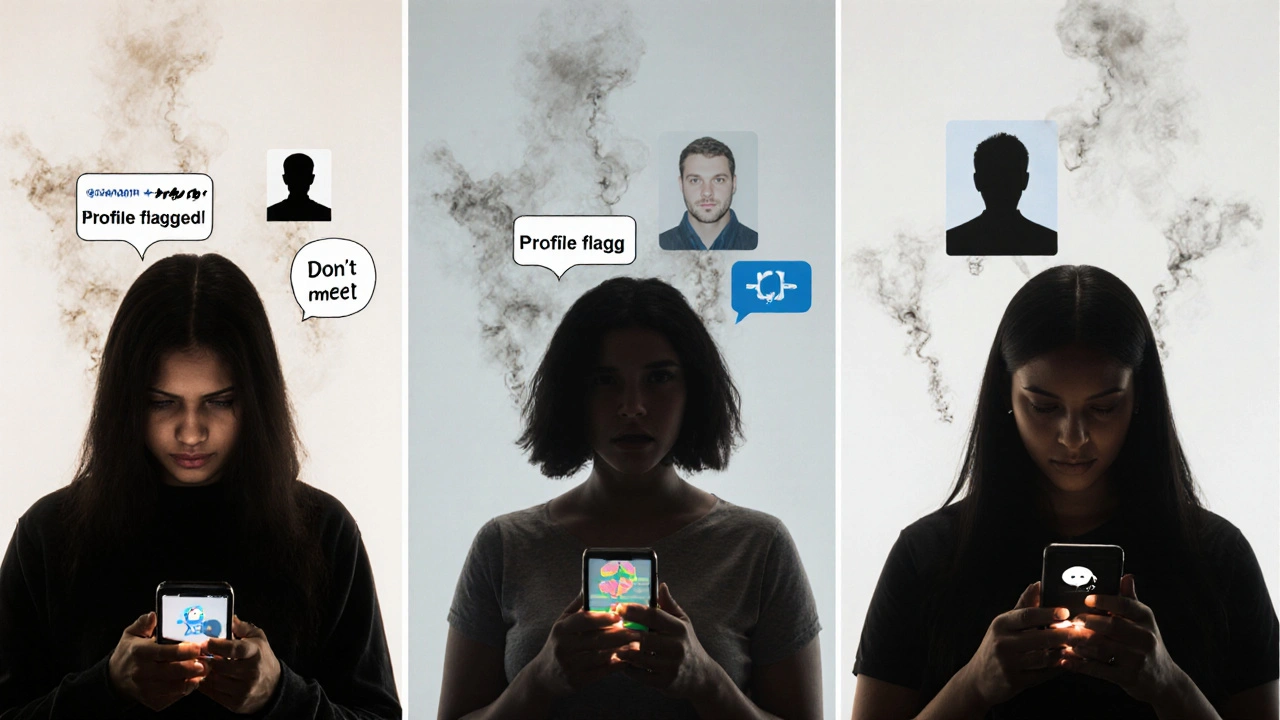
After a violent incident in Brisbane in 2023, a group of workers created a private app called SafeCheck. It lets users scan a client’s profile and see if others have flagged them. It’s not perfect-but it’s saved lives.
What to Do If You’re Scammed
First: breathe. You didn’t fail. Scammers are professionals. Now, act.
- Block and report the profile on every platform you use. Don’t wait.
- Save everything: screenshots, messages, payment details. Don’t delete.
- Report to local sex worker advocacy groups. In Australia, groups like Scarlet Alliance and Vixen Collective can help you report to police or media if needed.
- Change your passwords and enable two-factor authentication on all accounts.
- Consider a credit freeze if financial info was exposed.
One worker in Adelaide lost $1,800 to a fake client. She reported it to Scarlet Alliance. They helped her file a report with the Australian Cybercrime Online Reporting Network. It didn’t get her money back-but it stopped the scammer from targeting three others.
Tools That Actually Help
Not every app is safe. Here are the ones trusted by workers:
- Redflag a community-run platform where sex workers report suspicious profiles and scammers-for checking clients.
- Signal end-to-end encrypted messaging app used by sex worker networks for secure communication-for talking to trusted peers.
- Google Voice free US/Canada number for work calls without revealing your real phone-for anonymous contact.
- Truecaller identifies unknown callers and flags known scam numbers-useful for screening calls.
- ProtonMail encrypted email service that doesn’t track your activity-for work correspondence.
These tools aren’t magic. But they turn chaos into control.
You’re Not Alone
Scammers want you to feel isolated. They want you to think you’re the only one who got tricked. You’re not. Thousands of sex workers face this every month. The goal isn’t to be perfect. It’s to be prepared.
Build your safety habits like you build your rates: one step at a time. Verify before you meet. Wait for real money. Trust your gut. Use your network. And when you see something wrong-say something. Your warning could save someone else’s safety.
How do I know if a client is fake?
Fake clients often avoid video calls, use stock photos, ask for personal info too soon, or pressure you with urgency. Check their profile across platforms. If the same photo appears on dating apps or LinkedIn, it’s likely stolen. Use Redflag or ask your network if they’ve seen the profile before.
Can I use PayPal or Venmo for payments?
No. These platforms ban sex work transactions. Even if the payment goes through, they can reverse it later and freeze your account. Use bank transfers with confirmed clearance, prepaid cards, or escrow services instead.
What should I do if I’ve already met a scammer?
Block them immediately. Save all messages and screenshots. Report the profile on every platform. Contact a local sex worker advocacy group-they can help you report to authorities and protect your identity. Change your passwords and enable two-factor authentication on all accounts.
Is it safe to use social media for work?
Not if you link it to your real identity. Avoid posting photos, locations, or personal details. Use separate accounts with fake names and burner emails. Never tag your location or post from your home. Social media is a goldmine for scammers and stalkers.
Are there safe apps for sex workers?
There’s no app that’s 100% safe. But platforms like Redflag, Signal, and ProtonMail are trusted by sex worker communities for verification and secure communication. Avoid mainstream dating apps-they’re full of bots and scammers. Stick to peer-recommended tools.