Every night, sex workers walk into situations where their safety isn’t guaranteed. No one should have to rely on luck to get home alive. The tools that keep you safe aren’t flashy-they’re quiet, reliable, and designed for real-world use. Discreet alarms, GPS trackers, and well-stocked first aid kits aren’t optional gear. They’re your lifeline.
Discreet Alarms: Silent, Fast, and Impossible to Ignore
A loud siren won’t help if you’re alone in a motel room or a parked car. What you need is something that triggers help without drawing attention. That’s where discreet alarms come in.
Modern discreet alarms are small enough to fit in a pocket or clip to a belt. Some look like keychains. Others are built into phone cases or jewelry. When activated, they send an alert to up to five pre-set contacts with your live location. No screaming. No panic. Just a silent signal that says, “I need help now.”
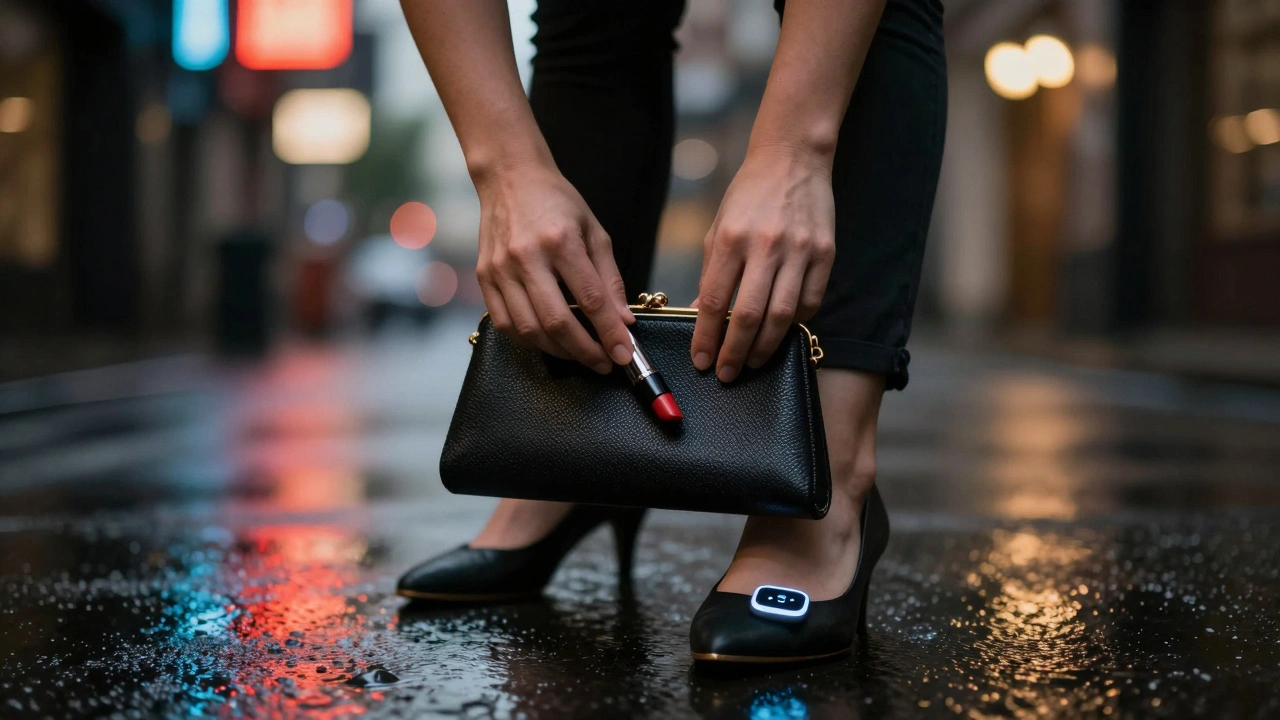
One worker in Melbourne uses a device shaped like a lipstick. She keeps it in her clutch. If a client becomes aggressive, she taps the bottom twice. Within seconds, her friend receives a text with her GPS coordinates and a 10-second audio clip of what’s happening. That’s not paranoia-that’s preparedness.
Look for alarms with:
- One-touch activation (no complex buttons)
- Real-time location sharing (not just a ping)
- Long battery life (at least 7 days standby)
- Water resistance (in case of accidents or emergencies)
Brands like SafeLincs, Ring Alarm, and the Australian-made PulsePoint have been tested by sex worker collectives in Sydney and Brisbane. Avoid cheap knockoffs. If it doesn’t have a verified app connection and backup power, it’s not worth the risk.
GPS Trackers: Your Invisible Bodyguard
GPS trackers don’t just show where you are-they show if you’ve stopped moving. That’s the key.
Many workers use small, magnetic trackers stuck to the underside of their car or hidden inside a shoe. Some are as thin as a credit card. Once activated, they update location every 30 seconds. If you don’t check in within 15 minutes, your emergency contact gets an alert.
Here’s how it works in practice: A worker in Perth sets up a tracker on her car before heading out. She texts her safety contact: “Arrived at 42 Oak Street. ETA 90 mins.” If she doesn’t reply by 9:30 PM, her contact calls the police with the exact address. No guesswork. No delays.
Not all trackers are equal. Some drain batteries in hours. Others require a monthly subscription. Stick with devices that:
- Work without a phone (cellular or satellite-based)
- Have geofencing (alerts if you leave a safe zone)
- Offer offline mapping (in case you’re in an area with no signal)
- Can be charged via USB or solar (for long hauls)
Devices like the Tile Pro (with GPS add-on) or the Tracki 4G are used by sex worker networks across Australia. Avoid Bluetooth-only trackers-they only work within 100 feet. If you’re in a van or a hotel room, that’s useless.
First Aid Kits: More Than Bandages
Sex work carries physical risks: cuts from broken glass, needle sticks, bites, chemical burns from cleaning products, or sudden medical emergencies like seizures or allergic reactions. A basic first aid kit isn’t enough. You need one tailored to your reality.
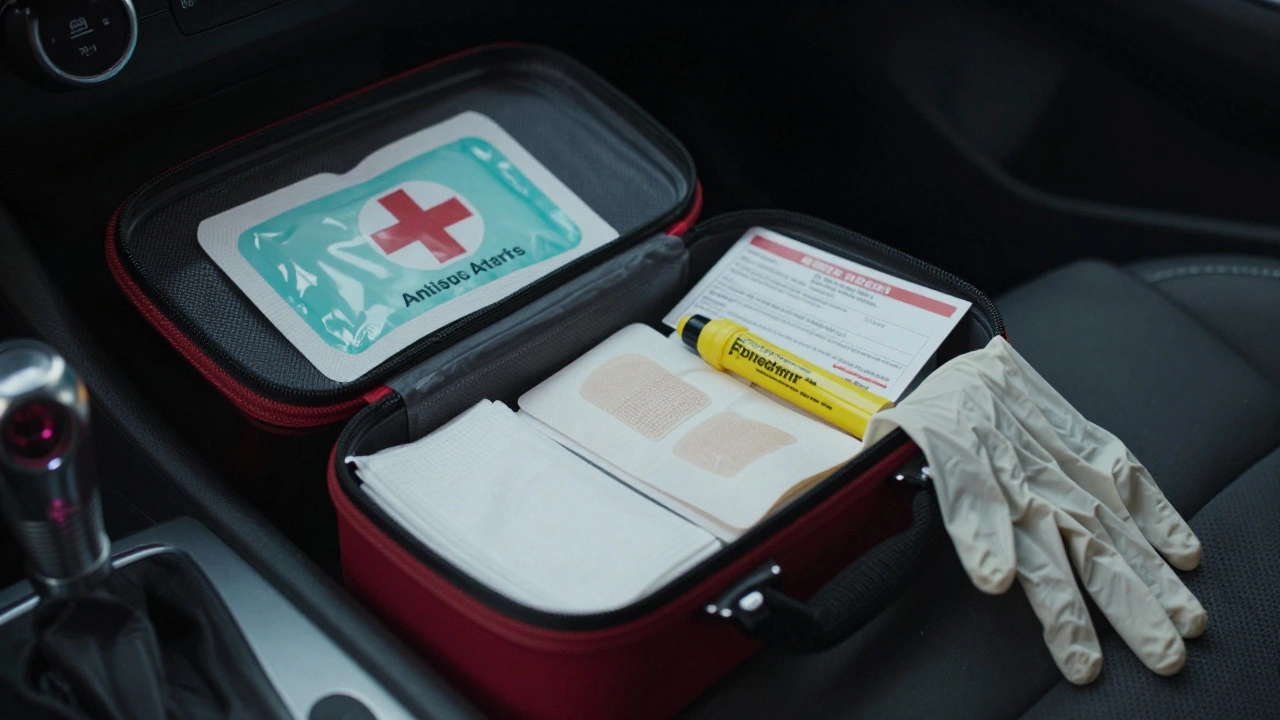
Here’s what a real, working first aid kit looks like:
- Antiseptic wipes (alcohol-free for sensitive skin)
- Non-stick sterile dressings (for burns or abrasions)
- Adhesive tape and gauze rolls
- Latex-free gloves (at least 5 pairs)
- Emergency epinephrine auto-injector (if you have allergies)
- Antibiotic ointment (mupirocin for MRSA-prone areas)
- Oral rehydration salts (for dehydration after stress or fluid loss)
- Thermometer (digital, fast-read)
- Small flashlight (with red filter to avoid blinding clients)
- Emergency contact card (printed, laminated, in your wallet)
One worker in Adelaide carries a small pouch with a note: “If I’m unconscious, call 000 and say ‘I’m a sex worker. I need paramedics. I may have been assaulted.’” That note saved her life after a client attacked her and left her bleeding on the floor.
Don’t forget to check your kit every month. Expired antiseptics, dried-out gauze, or dead batteries in the flashlight can mean the difference between a minor injury and a hospital visit.
Putting It All Together: A Real-World Safety Routine
Having gear isn’t enough. You need a system.
Here’s what a simple, daily safety routine looks like:
- Before leaving: Charge your alarm, GPS tracker, and phone. Put your first aid kit in your bag.
- Set your GPS geofence: Define your work zone and safe return zone.
- Text your safety contact: Name, address, expected return time.
- Wear your alarm visibly-on your belt, in your bra, clipped to your shoe.
- When you arrive: Lock the door. Test the alarm. Place the tracker where it won’t be found.
- When you leave: Confirm your location with your contact. Wait 5 minutes before removing the tracker.
- Every Sunday: Recharge, restock, and test everything.
This isn’t about fear. It’s about control. The more you can predict and prepare for, the less power someone else has over you.
What Doesn’t Work (And Why)
Some people suggest carrying pepper spray. But in many places, it’s illegal for sex workers to possess it. Even if legal, it requires close contact-and you might not get close enough.
Some use apps that let clients rate them. That’s not safety. That’s exposure. Your name, face, or location shouldn’t be public data.
And never rely on a friend to “just check in.” Human error happens. Someone forgets. Someone sleeps. Someone gets distracted. Tech doesn’t forget.
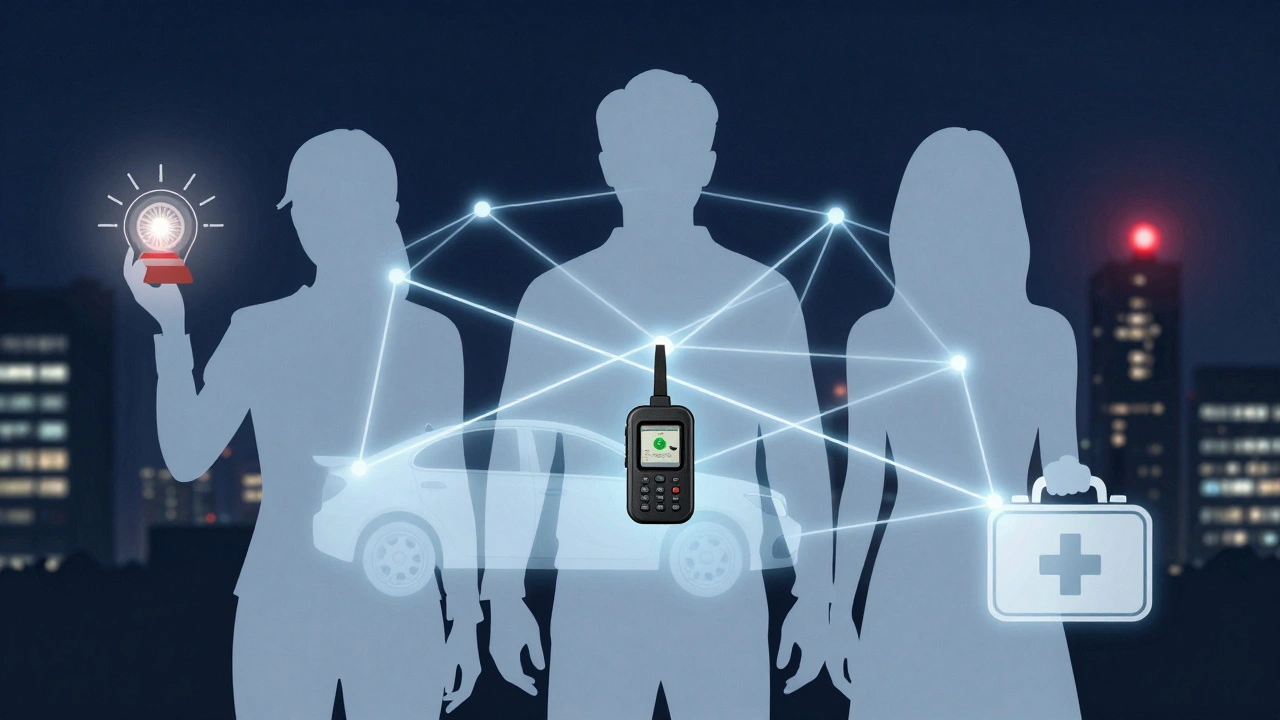
Real safety is layered. It’s not one tool. It’s three systems working together: alert, track, treat.
Where to Get These Supplies in Australia
You don’t need to order from overseas. Local organizations have you covered.
- SWOP WA (Sex Workers Outreach Project Western Australia) offers free discreet alarms and first aid kits to registered workers in Perth.
- ARCS (Australian Regional Community Support) provides discounted GPS trackers with no monthly fees.
- Red Umbrella Australia runs monthly safety workshops where you can test gear and get hands-on training.
Many of these groups also offer anonymous drop-off points for damaged or used devices. No questions asked. No judgment.
Final Thought: Safety Is a Right, Not a Privilege
You don’t need permission to be safe. You don’t need to apologize for carrying gear. You don’t need to explain why you lock the door or why you check your phone every five minutes.
These tools aren’t signs of weakness. They’re signs of strength. They mean you’ve done the work. You’ve planned. You’ve prepared. You’re not waiting for someone to save you-you’re saving yourself.
Can I use my phone as a GPS tracker instead of buying a separate device?
Your phone can work as a tracker, but it’s not reliable in emergencies. If your phone dies, gets stolen, or loses signal, you’re left with nothing. Dedicated GPS trackers have backup batteries, cellular chips, and can keep sending location even when your phone is off. For real safety, invest in a separate device.
Are discreet alarms legal in Australia?
Yes, all discreet alarms that send alerts to contacts are legal in Australia. They’re not classified as weapons. However, devices that emit loud sounds or include stun features may be restricted. Stick to silent, app-based alarms that only notify your pre-set contacts.
What if I don’t have a safety contact?
You don’t need a friend. Use a peer network. Groups like SWOP, Red Umbrella, and the Australian Sex Workers Network have emergency response lines. You can register anonymously. When you activate your alarm, it connects directly to trained responders who will call police and send help. No names. No logs.
How often should I replace my first aid kit?
Check it every month. Replace anything expired, damaged, or used. Antibiotic ointment lasts 12 months. Gloves and dressings last 2-3 years if sealed. Rechargeable batteries lose charge over time-even if unused. Set a calendar reminder. Your life depends on it.
Can I use a GPS tracker if I’m working in a car?
Absolutely. Many workers use magnetic trackers stuck under the car frame or hidden in the wheel well. Make sure the device has a strong magnet and is waterproof. Test it before each shift. Some trackers even alert you if the car moves without you inside-useful if someone tries to steal your vehicle.
Is there a free option for safety gear?
Yes. Organizations like SWOP WA and Red Umbrella Australia provide free discreet alarms and first aid kits to registered sex workers. You don’t need proof of income or ID. Just show up. Many also offer free training on how to use the gear. Reach out-they’re there to help.
Next Steps: Start Small, Stay Consistent
You don’t need to buy everything at once. Start with one thing: a discreet alarm. Then add a GPS tracker. Then build your first aid kit. Do it one piece at a time.
Each item you add gives you more control. More peace. More power.
And if you ever feel like you’re being watched, followed, or pressured-trust that feeling. Activate your alarm. Call your contact. Walk away. No apology needed. Your safety isn’t negotiable.