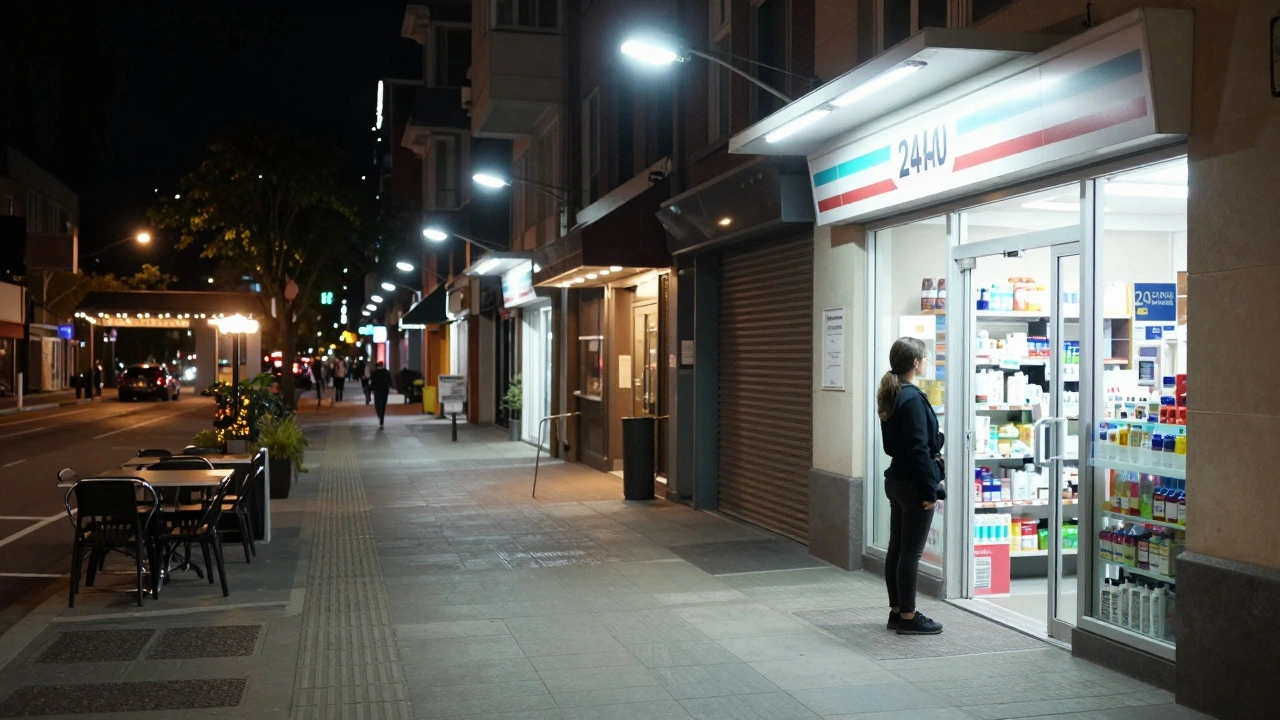
Walking alone at night on a quiet street shouldn’t feel like a gamble. For street-based sex workers, it’s a daily reality. Too many stories end in violence, arrest, or worse-not because of the work itself, but because the environment doesn’t protect them. The truth is, safety on the street isn’t just about who you meet. It’s about the street itself. The lighting. The exits. The people who notice when something’s off.
Lighting Isn’t Just About Visibility-It’s About Deterrence
Dark corners don’t just hide danger-they invite it. A 2023 study by the Global Network of Sex Work Projects found that areas with consistent, high-quality street lighting saw a 40% drop in violent incidents against sex workers over 18 months. That’s not a coincidence. Bright light doesn’t just help you see a client’s face-it makes it harder for someone to approach unnoticed, and it increases the chance someone else will see if things go wrong.
Look for streets where lights are on every 10 to 15 meters. Avoid alleys, parked cars blocking the view, or areas where streetlights are burned out. If you’re working a stretch where lighting is poor, talk to neighbors. A local café owner might be willing to leave a porch light on. A community group might help organize a fundraiser for new fixtures. In Perth, the Safe Streets Initiative helped install motion-sensor lights along the Canning Highway corridor after sex workers reported repeated incidents. It didn’t eliminate risk-but it changed the game.
Exits Are Your Lifeline, Not an Afterthought
When you’re in a car or stepping into a doorway, you need to be able to leave-fast. That means knowing where the nearest open door, public building, or busy intersection is before you even make contact. Many assaults happen because the worker is trapped: a car parked sideways, a narrow alley with no back way out, or a building with only one entrance.
Plan your route like a firefighter: always have two ways out. If you’re meeting someone near a shop, note the side street or fire exit. If you’re in a car, make sure the driver can’t block your door. Never let someone pull into a dead-end or secluded parking lot. In cities like Vancouver and Berlin, peer-led safety teams map out verified safe zones-places with open doors, staff who know the regulars, and clear sightlines. You don’t need permission to walk away. You just need to know where to go.
Community Checkpoints: The Power of Being Seen
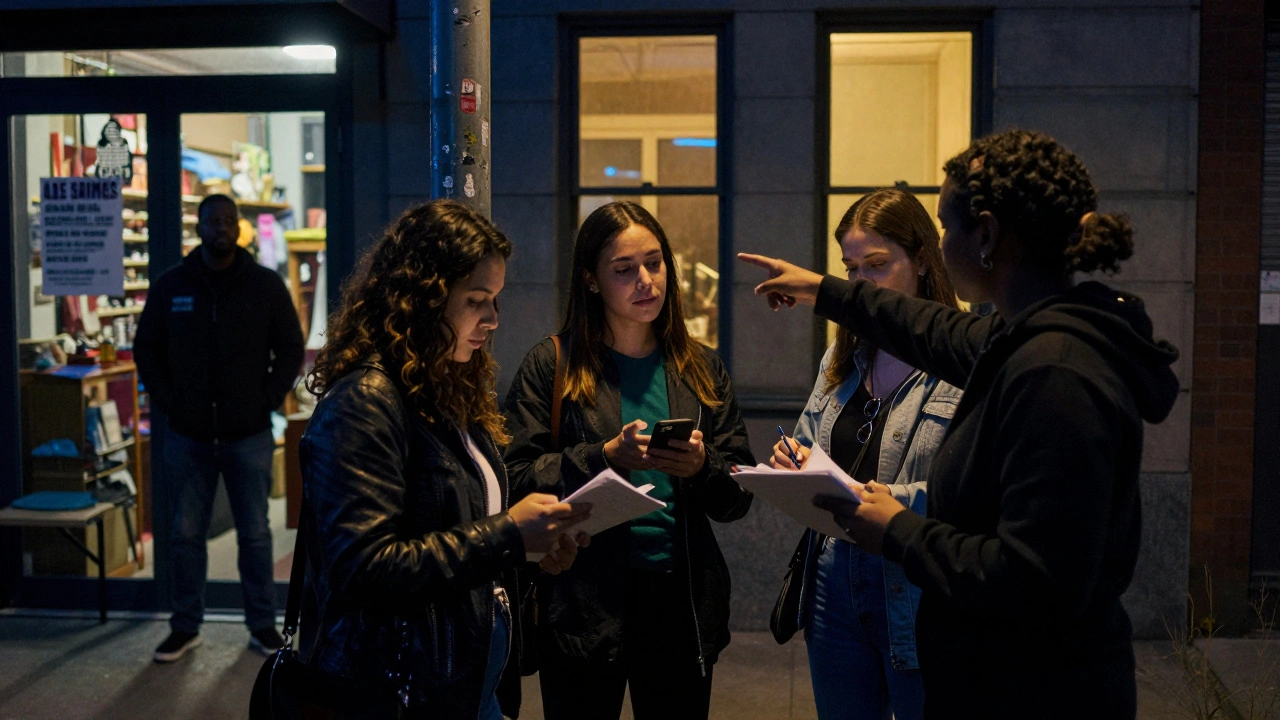
One of the most effective-but least talked about-safety tools is the community checkpoint. This isn’t a police station or a hotline. It’s a person. A barista who nods when you walk in. A taxi driver who knows your face. A neighbor who checks in every night. These are the people who notice when you’re not there, when you look scared, or when a car lingers too long.
In London, the Nightingale Project trained local shopkeepers to use a simple code: if a sex worker walks in and says, “I need a coffee, no sugar,” it means they’re in trouble. The staff calls a pre-arranged number, and a peer advocate shows up within minutes. No police. No drama. Just help.
You don’t need a formal system to make this work. Start small. Find one person you trust-a laundromat worker, a 24-hour pharmacy attendant, a bus driver-and give them your number. Tell them your routine. Ask them to call you if they haven’t seen you by 2 a.m. These relationships save lives. They’ve stopped abductions. They’ve interrupted assaults. They’ve brought people home.
What Doesn’t Work-and Why
Police presence doesn’t always mean safety. In many places, increased patrols lead to more arrests, more fines, and more fear-not less violence. Criminalizing the street doesn’t make it safer; it pushes people into darker, quieter spots where help is even farther away.
Apps that track location or share your details with strangers can backfire. If your location is tied to your phone and you’re forced to hand it over, you’ve given your attacker your whole routine. Don’t rely on technology to replace human awareness. Use it as a backup, not your main defense.
And never assume “it won’t happen here.” The most dangerous places are often the ones that look normal. A quiet street with trees. A well-lit parking lot with no cameras. A corner where everyone says, “Nothing bad ever happens.” That’s exactly where someone waits to test that belief.

Real Strategies, Real People
Here’s what works, based on what sex workers in Sydney, Toronto, and Amsterdam have proven:
- Work in pairs or trios. Even if you’re not together, having someone else nearby who knows your schedule creates a safety net.
- Use a code word with trusted contacts. “The rain is heavy tonight” means you need help. “I’m heading home early” means you’re safe.
- Carry a whistle or personal alarm. Not to scare off one person-to draw attention from ten.
- Keep your phone charged and in your pocket. Don’t let it be the first thing you hand over.
- Never enter a vehicle unless you’ve seen the license plate and confirmed the driver’s face. Take a photo of the car before getting in.
These aren’t just tips. They’re habits. The kind that become automatic when you’ve seen what happens when you skip them.
Change Starts With the Block You’re On
You can’t control every streetlight. You can’t force a city to change its laws overnight. But you can start with the block you’re on. Talk to the people who see you every night. Ask them to notice. Ask them to care. Organize a weekly coffee meet-up with other workers. Share stories. Swap locations. Warn each other about dangerous clients or police sweeps.
When communities take ownership of safety, it stops being an individual burden. It becomes a shared responsibility. And that’s when real change happens.
Safety isn’t about being perfect. It’s about being prepared. It’s about knowing where the light is, where the exit is, and who will notice if you disappear. That’s not luck. That’s strategy. And it’s yours to build.
Is it safer to work alone or with others on the street?
Working with others-even if you’re not physically together-makes a big difference. Having someone who knows your schedule, location, and routine means someone can check on you or call for help if you don’t show up. Many workers use buddy systems: one person works a block while the other waits nearby, checking in every 20 minutes. Even just knowing someone is aware of your movements reduces risk.
Should I report violent incidents to the police?
It depends. In places where police are seen as protectors, reporting can lead to justice. In places where sex work is criminalized, reporting can lead to arrest, fines, or deportation. Many workers avoid police because of past trauma or fear. If you’re unsure, connect with a local sex worker organization first. They can help you decide whether reporting is safe-and how to do it without putting yourself at further risk.
How do I find safe locations to work?
Talk to other workers. Ask where they feel safe and why. Look for areas with good lighting, clear sightlines, and nearby open businesses like convenience stores, pharmacies, or 24-hour laundromats. Avoid places where cars can park without being seen, or where there are no foot traffic or street activity after dark. In Perth, workers have mapped out safer zones along the Fremantle Railway Corridor-areas with regular bus routes and streetlights every 12 meters.
What should I do if a client refuses to leave or becomes aggressive?
Your priority is to get out. Don’t argue. Don’t try to reason. If you’re indoors, move toward the exit. If you’re outside, walk toward the nearest light or person. Use your whistle or alarm if you have one. Call your checkpoint person immediately. If you’re in a vehicle, try to open the door or window and shout for help. Your safety matters more than payment, politeness, or fear of judgment.
Can I ask clients to wait outside while I check their car?
Absolutely. You have the right to check a vehicle before getting in. Ask them to turn on the interior light so you can see their face. Check the license plate. Take a photo of the car and send it to your safety contact. If they refuse, walk away. No legitimate client will be offended by this. If they are, they’re not legitimate.
Are there organizations that help with street safety for sex workers?
Yes. In Australia, organizations like Scarlet Alliance and SWOP (Sex Workers Outreach Project) offer peer-led safety training, emergency support, and advocacy. In other countries, groups like the Global Network of Sex Work Projects and the International Committee on the Rights of Sex Workers in Europe provide resources and connections. These aren’t charities-they’re networks built by workers, for workers.