Digital Security for Sex Workers: Tools, Tactics, and Real Protection
When it comes to digital security for sex workers, the set of practices and tools used to protect personal data, communications, and physical safety from surveillance, exploitation, and law enforcement overreach. Also known as online safety for sex workers, it’s not about being paranoid—it’s about staying alive in a world where your phone can be used as evidence against you. Your messages, location history, payment records, and client lists aren’t just private—they’re life-or-death information. If police seize your phone, they can pull years of data without a warrant. If your app gets hacked, your entire network could be exposed. This isn’t hypothetical. It’s happening right now, every day.
That’s why encrypted communication, the use of apps and protocols that prevent third parties from reading or tracking your messages. Also known as end-to-end encrypted messaging, it’s the first line of defense. Tools like Signal or Session aren’t just for activists—they’re essential for sex workers who need to screen clients, share locations, or report violence without leaving a trace. Then there’s data seizure, the legal and technical process by which law enforcement takes control of digital devices to extract evidence, often without consent or proper judicial oversight. Police don’t need a warrant to grab your phone during a traffic stop or raid. Once they have it, they can unlock it with brute force, extract photos, texts, and payment apps, and use them to build a case—even if your work is legal. Knowing how to wipe data remotely, use burner devices, or store info offline isn’t a conspiracy theory—it’s basic risk management.
And it’s not just about apps. Your digital habits shape your physical safety. If you use the same username across platforms, a single leak can connect your real name to your work. If you check in with a friend using GPS, that location data can be subpoenaed. If you store client details in your phone’s notes app, that’s not a backup—it’s a liability. Real privacy tools, hardware and software designed to minimize digital footprints and prevent tracking. Also known as digital hygiene tools, it includes encrypted cloud storage, password managers, and even Faraday bags that block signals. These aren’t luxury items. They’re the same tools used by journalists, whistleblowers, and human rights defenders—because sex workers face the same risks.
What you’ll find below isn’t theory. It’s real advice from people who’ve been raided, had their phones taken, and had to rebuild their safety from scratch. You’ll read about how to document violence without using your main phone, how to set up anonymous payment systems that won’t get frozen, and why keeping a printed safety log matters more than any app. There’s no magic bullet—but there are proven steps. And if you’re serious about staying safe, these are the ones that actually work.
- Nov, 26 2025
- 0 Comments
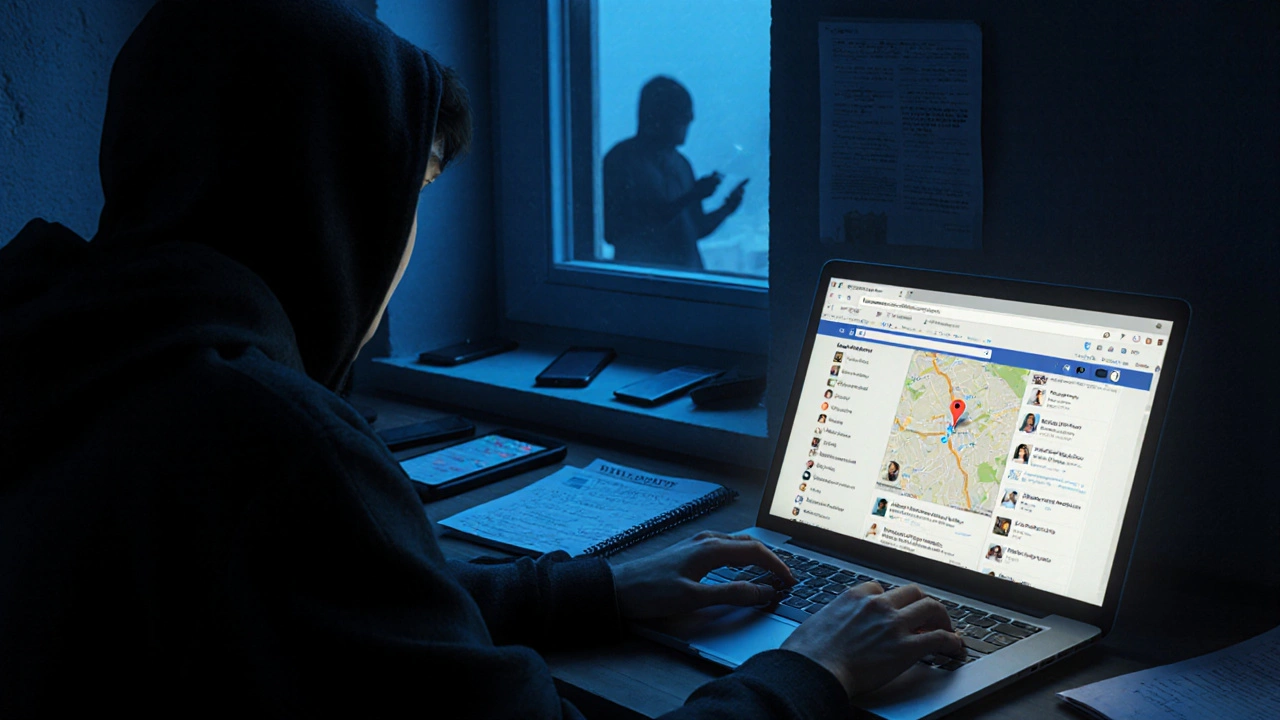
Doxxing Protection for Sex Workers: Privacy, Anonymity, and Identity Safety
Doxxing can destroy a sex worker’s life overnight. Learn how to protect your identity with practical steps, trusted tools, and real-world strategies for online anonymity and digital safety.
read more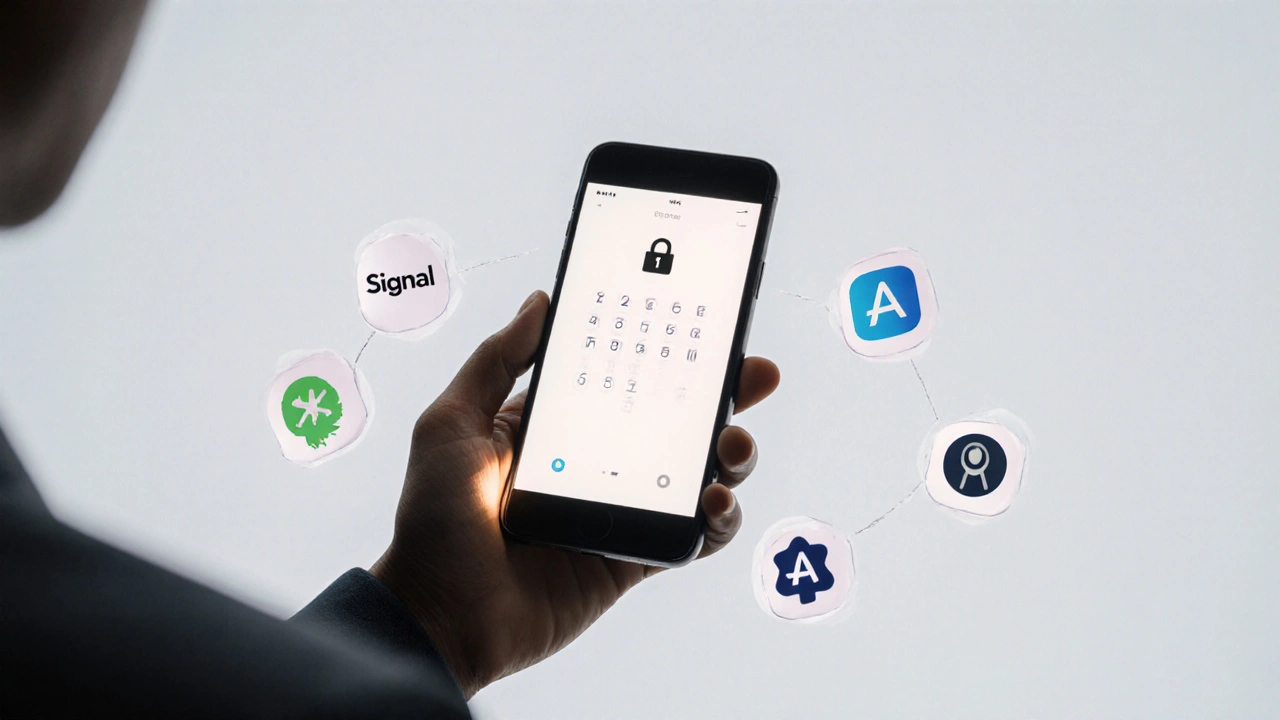
- Nov, 2 2025
- 0 Comments
Digital Security for Sex Workers: Protecting Devices, Accounts, and Photos
Digital security for sex workers means locking down devices, using encrypted apps, stripping photo metadata, and avoiding traceable payments. Learn how to protect your accounts, photos, and identity without being a tech expert.
read more