Disability and Sex Work: Safety, Support, and Rights
When we talk about disability and sex work, the intersection where physical, cognitive, or mental health conditions meet the realities of survival-based labor. Also known as disabled sex workers, this group often faces layered stigma—both as people with disabilities and as those in a criminalized industry. Many assume sex work is only for the able-bodied, but that’s not true. People with mobility impairments, chronic pain, neurodivergence, and mental health conditions are part of this industry too—and they need tailored support to stay safe and survive.
Medical escort services, trained professionals who assist patients with transportation and care during medical visits, aren’t just for seniors or post-surgery recovery. They’re also vital for disabled sex workers who need help getting to appointments, managing medications, or navigating hospitals without being judged or dismissed. These services reduce stress, prevent missed care, and protect privacy—something many disabled sex workers can’t get elsewhere. And when it comes to safety, sex worker safety, the set of practices and tools used to avoid violence, exploitation, and arrest, isn’t one-size-fits-all. A person with limited mobility might rely on GPS tracking apps more than someone who walks to appointments. Someone with anxiety might need a pre-arranged code word with a trusted friend before meeting a client. These aren’t luxuries—they’re lifelines.
Legal systems rarely account for disability when enforcing sex work laws. A person with cognitive impairments might not understand a police officer’s questions. Someone with chronic pain might be labeled as "lying" when they can’t stand for long interviews. That’s why disability rights, the legal and social protections ensuring equal access and fair treatment for people with impairments must be woven into sex work advocacy. It’s not enough to say "all workers deserve safety." You have to ask: Which safety measures actually work for someone who uses a wheelchair, or who has PTSD, or who can’t speak clearly under stress? That’s where trauma-informed care, an approach that prioritizes safety, choice, and respect over judgment or coercion comes in. It’s not therapy—it’s how you build trust, communicate clearly, and give control back to the person who’s been told they don’t matter.
The posts below aren’t theoretical. They’re real tools, real stories, and real strategies from disabled sex workers and the people who support them. You’ll find how GPS apps help someone with tremors stay safe during client meetings. How medical escorts help veterans with spinal injuries get to appointments without risking their housing. How trauma-informed counselors help people with autism navigate consent and boundaries. How legal templates protect someone with chronic illness from eviction when landlords misunderstand their work. This isn’t about pity. It’s about power—giving disabled sex workers the same tools, respect, and autonomy everyone else deserves.
- Nov, 25 2025
- 0 Comments
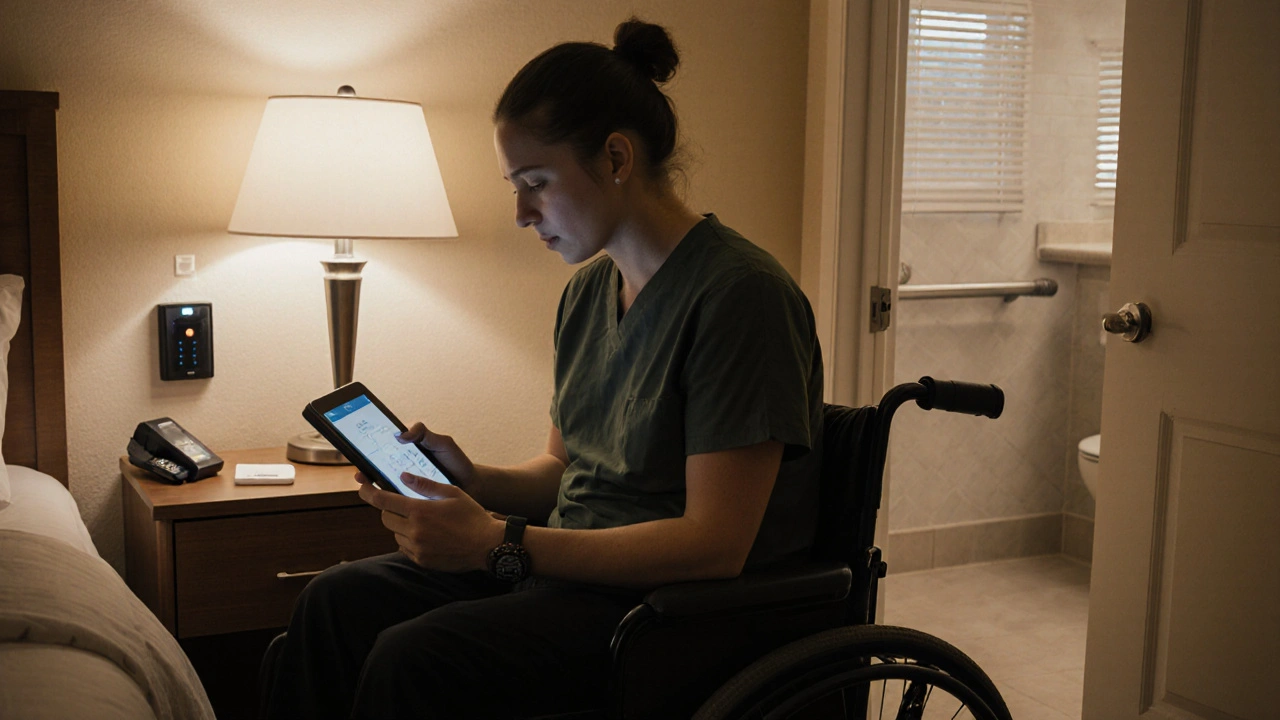
Safety Considerations for Sex Workers with Disabilities
Disabled sex workers face unique safety challenges. This guide covers practical strategies for accessible workspaces, communication tools, emergency plans, and legal protection tailored to your needs.
read more