Doxxing Protection for Sex Workers and Escorts: Stay Safe Online
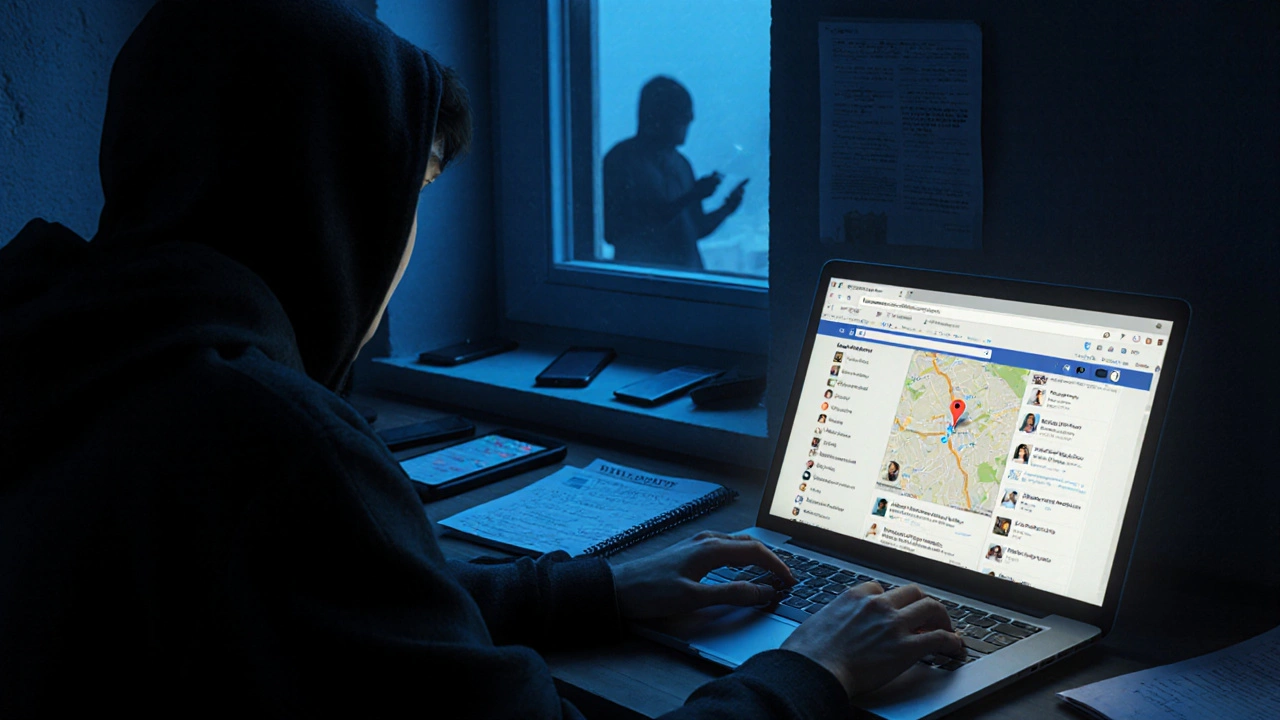
When someone publishes your real name, address, phone number, or workplace online without consent, that’s doxxing, the malicious act of exposing private personal information to endanger, harass, or shame someone. Also known as doxing, it’s not just an invasion of privacy—it’s a weapon used to destroy livelihoods, trigger violence, and silence voices. For sex workers and escorts, doxxing can mean losing income, facing arrest, being evicted, or worse. It’s not rare. It’s routine.
Doxxing protection isn’t about being paranoid. It’s about basic survival in a world where your digital footprint can be weaponized. The tools you need aren’t fancy. They’re simple: using a pseudonym, keeping personal details out of bios, turning off location tags, and never sharing your real ID with platforms. Many sex workers use virtual private networks, encrypted tools that hide your IP address and browsing activity from prying eyes to mask where they’re logging in from. Others rely on burner phones, cheap, prepaid devices used only for work communication to separate their personal life from their professional one. These aren’t options—they’re necessities.
Doxxing often starts with a single mistake: a photo with a visible street sign, a social media post tagged with your neighborhood, or a forum comment that accidentally reveals your last name. Once that data is out, it spreads fast. Bad actors scrape it, cross-reference it, and dump it on hate sites. That’s why digital security, the ongoing practice of protecting your online identity from exposure and exploitation isn’t a one-time setup. It’s daily maintenance. Regularly check your name on Google. Remove old posts. Use different usernames across platforms. Don’t link your escort profile to your Instagram. Don’t use the same email for everything. These aren’t tips—they’re shields.
And it’s not just about hiding. It’s about control. Knowing how to report doxxing to platforms, how to request content removal, and how to contact digital rights groups can mean the difference between a temporary nightmare and permanent damage. Some workers keep backups of their own data so they can prove ownership if someone tries to claim their content. Others use encrypted messaging apps to share safety lists with trusted peers. These are the quiet, practical acts that keep people alive.
What you’ll find in the posts below isn’t theory. It’s real advice from people who’ve been targeted, who’ve lost clients, who’ve had to change their lives overnight. You’ll read about how bad date lists help prevent doxxing by warning others before a meeting goes wrong. You’ll see how medical escort services use GPS tracking not just for safety—but to prove where someone was at a given time if they’re falsely accused. You’ll learn how to spot impersonation scams that lead to doxxing, how to lock down your social media, and how to legally fight back when your identity is stolen. This isn’t about fear. It’s about power. You have the right to work safely. Doxxing protection is how you take it back.
- Nov, 26 2025
- 0 Comments
Doxxing Protection for Sex Workers: Privacy, Anonymity, and Identity Safety
Doxxing can destroy a sex worker’s life overnight. Learn how to protect your identity with practical steps, trusted tools, and real-world strategies for online anonymity and digital safety.
read more