Home Safety for Sex Workers
When it comes to home safety for sex workers, the practice of securing personal living spaces to reduce risk during client meetings or while working independently. Also known as in-home work safety, it’s not about fear—it’s about control. You’re not just working from home; you’re managing a business in a space that should feel like yours, not a target.
Good home safety starts with client screening, the process of verifying a client’s identity and intent before allowing them into your space. Bad date lists, shared among workers, aren’t gossip—they’re early warning systems. If someone refuses to send a photo ID, avoids video calls, or pressures you to skip screening, that’s not a red flag—it’s a siren. Pair that with digital security, tools and habits that protect your identity, location, and communications online. Use burner phones, encrypted messaging, and fake profiles. Your real name, address, and face don’t belong on any platform you use for work.
Physical safety matters just as much. Can you lock every door from the inside? Is there a clear path to escape? Do you have a silent alarm or a pre-set text message that goes to a trusted friend the moment a client arrives? These aren’t extreme measures—they’re basic tools, like wearing a seatbelt. Workers with disabilities need extra considerations: ramps, voice-activated locks, or emergency buttons linked to a support network. And if you’re working alone, never skip the emergency plan, a clear, rehearsed strategy for what to do if something goes wrong. That means telling someone exactly when you expect to check in, what time to call the cops if you don’t, and what to say if police show up.
Home safety isn’t just about locks and apps—it’s about reclaiming power in a job where control is often taken away. It’s about knowing you can say no, walk away, or call for help without shame. The tools are out there: GPS trackers for your bag, fake security cameras, noise makers that trigger when a door opens, and even simple routines like keeping your phone charged and within reach at all times. You don’t need to live like a fortress—just smart enough to spot danger before it knocks.
What follows are real stories, real tools, and real strategies from workers who’ve been there. You’ll find guides on setting up safe meeting rooms, using tech to monitor your space, handling unexpected visitors, and what to do if the police come knocking. These aren’t theories—they’re the tactics that keep people alive. Read them. Use them. Share them. Because safety isn’t something you hope for—it’s something you build, one step at a time.
- Nov, 26 2025
- 0 Comments
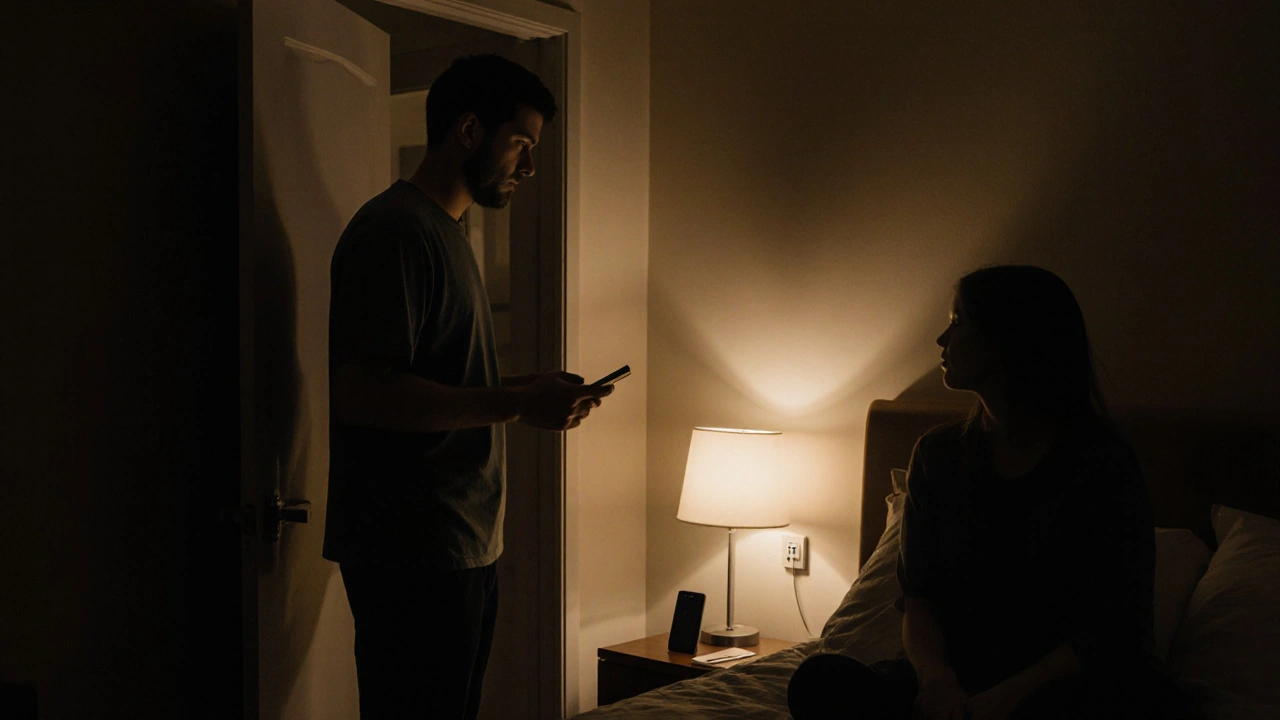
Safety Planning with Partners: Conversations Sex Workers Can Have at Home
Sex workers can stay safer at home by having clear, practical conversations with partners about boundaries, code words, and emergency responses. This guide offers real steps to build trust and protection without sharing more than you want to.
read more