Housing Discrimination Against Sex Workers: Rights, Risks, and Real Solutions
When you're a sex worker, finding a place to live isn't just about rent and location—it's about survival. Housing discrimination, the refusal to rent or evict someone based on their occupation, especially sex work. Also known as occupational discrimination, it’s legal in many places and happens every day—landlords deny leases, evict tenants after discovering their work, or threaten calls to police just for being seen coming and going. This isn’t about morality. It’s about access to basic safety: a locked door, a quiet street, a neighbor who won’t call the cops for no reason.
Sex worker housing, the ability to secure stable, private, and secure living space without fear of exposure or eviction. It’s not a luxury. It’s the foundation for everything else—digital security, client screening, medical care, and mental health. Without it, even the best safety tools fail. Rental discrimination, when landlords use vague rules like "no soliciting" or "unacceptable occupations" to target sex workers. These rules don’t appear in ads, but they’re enforced in private conversations, background checks, and sudden lease violations. Meanwhile, housing rights, the legal protections that should prevent eviction based on lawful work. are either ignored, unenforceable, or actively weaponized against people who need them most.
Most people assume housing discrimination is a thing of the past—something that happens to marginalized groups in theory, not in their own neighborhoods. But it’s alive in the text messages landlords send after a background check, in the "maintenance inspections" that turn into interrogations, and in the way police show up unannounced because someone "saw suspicious activity." The result? Sex workers end up in unsafe areas, couch-surfing, or staying in places with no locks, no privacy, and no recourse. And when something goes wrong—when there’s violence, theft, or a medical emergency—there’s no safe place to call home.
That’s why the posts here focus on real, actionable steps: how to document housing violations, how to find landlords who won’t ask questions, how to build trust with neighbors without revealing your work, and how to use legal tools like protective orders when eviction threats turn into harassment. These aren’t theoretical guides. They’re written by and for people who’ve been turned away from apartments, kicked out of rentals, or forced to move because someone found out what they do for a living. You’ll find strategies that work in cities and towns across the UK—no fluff, no slogans, just what keeps you safe when the system won’t.
- Oct, 18 2025
- 0 Comments
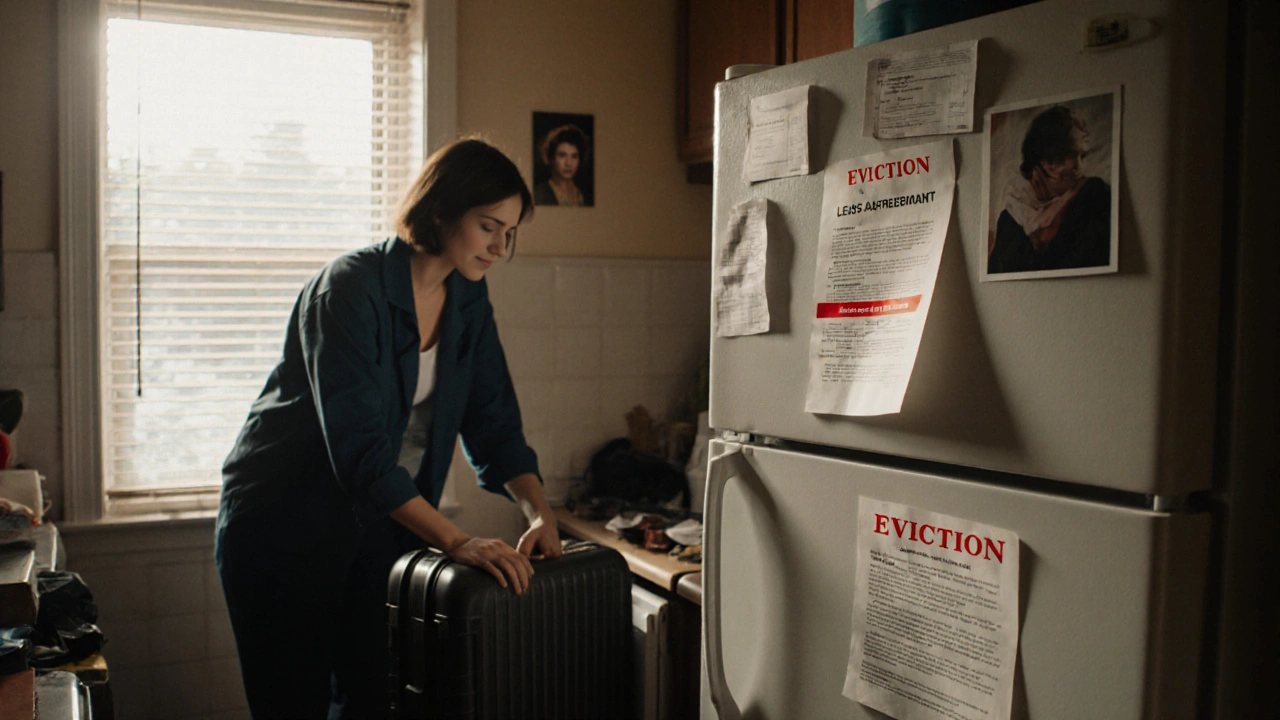
Tenant Rights for Sex Workers: Eviction Risks and Legal Protections
Sex workers face eviction risks even when their work is legal. Learn how tenant rights, local laws, and legal protections can help you fight unlawful eviction and stay in your home.
read more