Protect Photos Online: How to Secure Your Images from Leaks and Exploitation
When you protect photos online, you’re not just saving files—you’re safeguarding your identity, safety, and autonomy. Also known as digital image security, it’s a critical practice for anyone who shares personal or professional images—especially sex workers, medical patients, and tour guides who rely on visual documentation for safety or business. A single leaked photo can lead to harassment, doxxing, or even physical danger. This isn’t theoretical. Police have used photos from phones to build cases against sex workers—even without warrants. Tour escorts have had client photos stolen and shared on forums. Medical escort clients have had appointment photos used to out them to family members. If your photos are on a device, cloud, or app, they’re at risk.
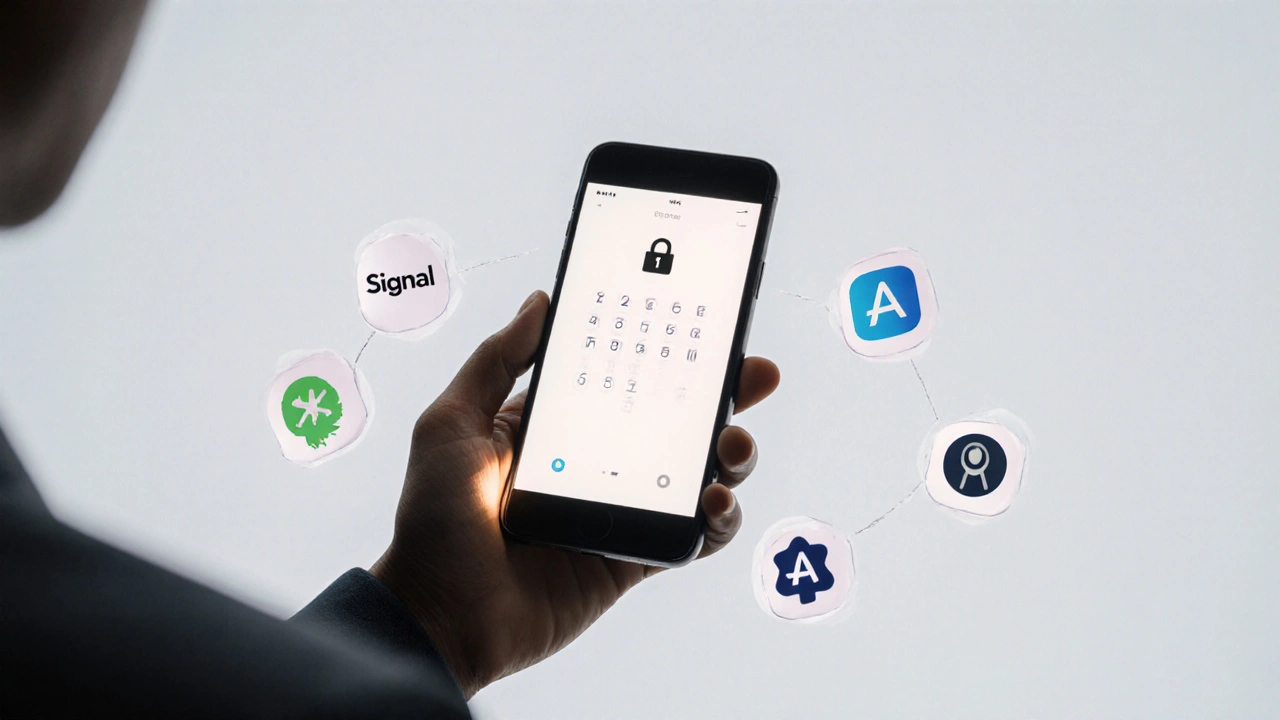
There are three main ways people fail to protect photos online, by assuming cloud backups are safe, ignoring metadata, or trusting apps with vague privacy policies. Digital privacy, the broader practice of controlling who sees your data, starts with knowing what your photos carry. Every image has hidden data—location, time, device model, even facial recognition tags. Delete that before uploading. Use encrypted apps like image encryption, a method that scrambles photos so only someone with the key can view them. Tools like Signal or private cloud services with zero-knowledge encryption let you store photos without the provider ever seeing them. For sex workers, this isn’t optional—it’s survival. For medical escort clients, it’s dignity. For tour guides, it’s protecting client trust.
Most people think password protection is enough. It’s not. A hacked account, a shared device, or a careless app update can expose everything. You need layers: encrypted storage, metadata stripping, separate albums, and strict sharing rules. Some sex workers use burner phones just for client photos. Medical escort services keep client images on offline drives. Tour escorts use watermarked thumbnails for marketing and full-resolution files only on encrypted drives. These aren’t extreme measures—they’re standard practice for people who’ve been burned before.
When you learn how to protect photos online, you’re not just locking files—you’re reclaiming control. You decide who sees what, when, and why. The posts below show exactly how people in high-risk roles do it: from sex workers using SafetyPin to log and encrypt client images, to medical escort teams storing patient photos with HIPAA-compliant tools, to tour guides using password-protected galleries instead of public social media. No fluff. No theory. Just real, tested steps you can use tomorrow.
- Nov, 2 2025
- 0 Comments
Digital Security for Sex Workers: Protecting Devices, Accounts, and Photos
Digital security for sex workers means locking down devices, using encrypted apps, stripping photo metadata, and avoiding traceable payments. Learn how to protect your accounts, photos, and identity without being a tech expert.
read more