Rental Laws for Sex Workers: Rights, Risks, and Real Protections
When you’re a sex worker, finding a safe place to live isn’t just about rent and location—it’s about rental laws, the rules that govern who can live where and under what conditions. These laws don’t always protect you. In fact, they’re often used to push you out—through vague clauses, neighbor complaints, or outright discrimination. Many landlords refuse to rent to sex workers, even if they pay on time and keep the place clean. Some use "nuisance" or "immoral activity" clauses in leases to justify eviction, even when no crime has occurred. These aren’t just unfair—they’re illegal in many places, but few sex workers know their rights.
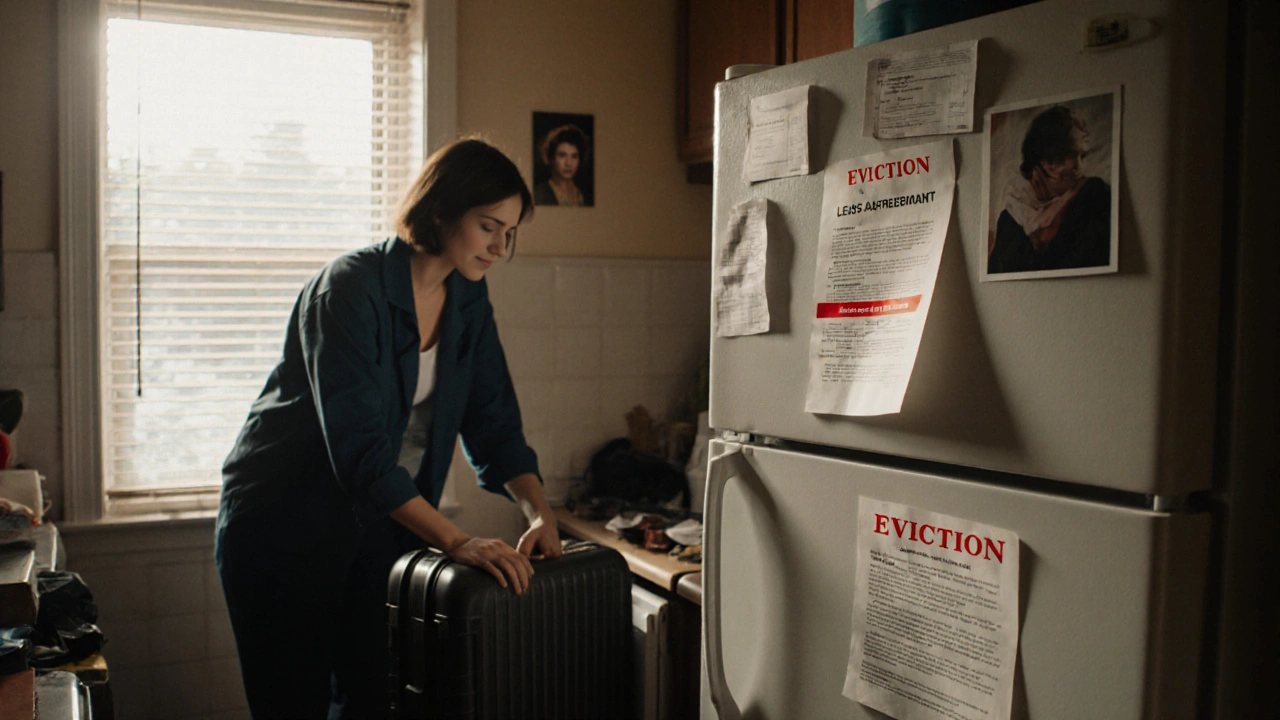
housing discrimination, when someone is denied housing because of their occupation, happens all the time. A landlord might say they "don’t rent to sex workers" outright, or they might quietly refuse to return calls after a background check. In some cities, prostitution-free zones, areas where law enforcement targets sex workers under the guise of public safety make it nearly impossible to rent nearby. Even if you’re not working on the street, being seen as a sex worker can be enough to lose your home. And if you’re evicted, you’re often left with no recourse—courts rarely side with you, and legal aid is hard to find.
But you do have options. Some states and localities have laws that protect people from eviction based on occupation. You can document every interaction with your landlord—emails, texts, notices. You can connect with organizations that help sex workers fight housing cases. You can also learn how to spot red flags before signing a lease: clauses about "lawful occupation," restrictions on visitors, or requirements to report guests. These aren’t just fine print—they’re traps.
Safe housing isn’t a luxury. It’s the foundation of survival. When you’re not worrying about being kicked out, you can focus on your safety, your health, and your future. That’s why understanding rental laws matters more than most people realize. It’s not just about leases and deposits—it’s about whether you can sleep without fear.
Below, you’ll find real stories and practical guides from sex workers who’ve fought evictions, secured safe rentals, and built protections into their living situations. You’ll learn how to document abuse, how to talk to landlords without outing yourself, and how to find housing that doesn’t put you at risk. These aren’t theoretical tips—they’re tools used by people who’ve been through it. And they can help you too.
- Oct, 18 2025
- 0 Comments
Tenant Rights for Sex Workers: Eviction Risks and Legal Protections
Sex workers face eviction risks even when their work is legal. Learn how tenant rights, local laws, and legal protections can help you fight unlawful eviction and stay in your home.
read more