Safety Tips for Disabled Sex Workers
When you're a disabled sex worker, a person who provides companionship or intimate services while managing physical, sensory, or cognitive disabilities. Also known as sex worker with mobility or health challenges, you face unique risks that standard safety advice often ignores. Safety isn’t one-size-fits-all. What works for a able-bodied worker might put you in more danger—like being forced to meet in a location you can’t access, or being targeted because you’re perceived as vulnerable.
Accessible escort services, services designed to accommodate physical or cognitive disabilities while maintaining professional boundaries and safety are rare but growing. Many disabled sex workers rely on customized routines: using voice-activated apps to screen clients, setting up panic alerts that auto-send your location to trusted contacts, or choosing meeting spots with ramps, wide doors, and quiet rooms. These aren’t luxuries—they’re survival tools. And they’re not just about physical access. For someone with anxiety or PTSD, a calm environment with clear communication rules can be just as vital as a wheelchair ramp.
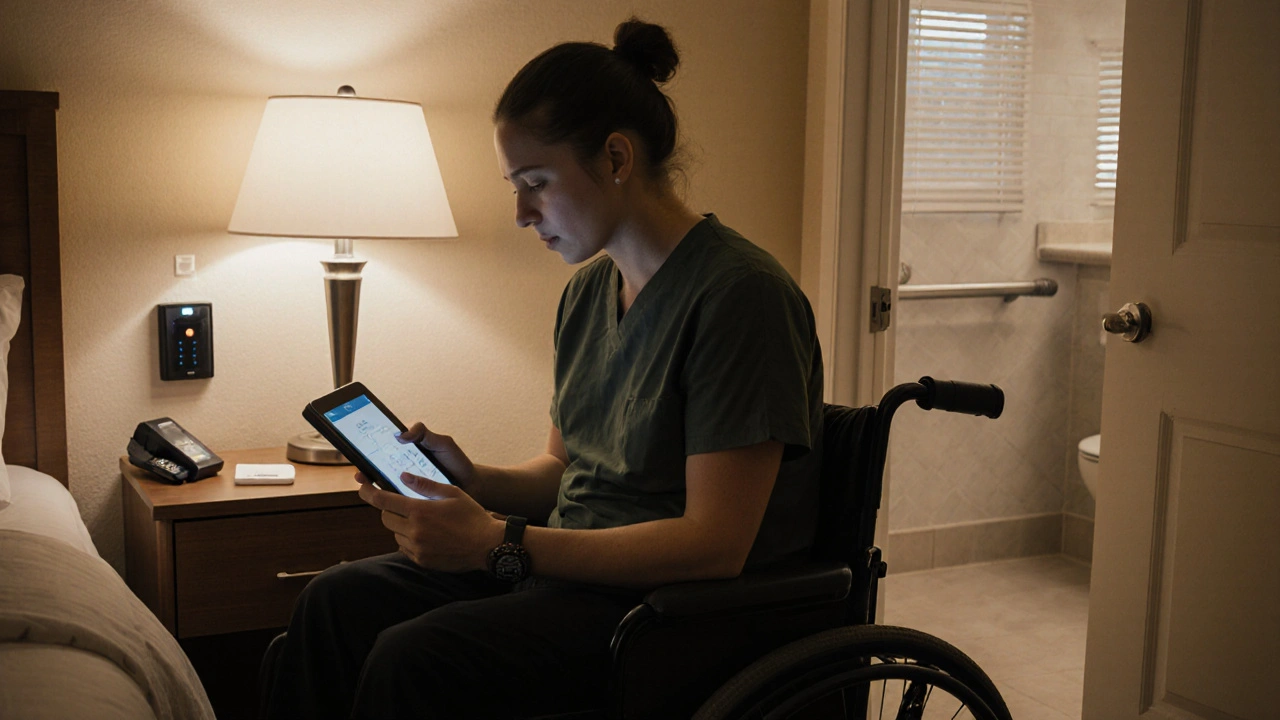
Personal safety tools, devices and systems used to prevent harm, track location, or trigger help during risky situations need to work for your body. A wristband alarm might be useless if you have limited hand mobility. A phone app that requires tapping might not work if you have tremors. That’s why many disabled workers use smart home systems that respond to voice commands, wearable GPS trackers with one-touch SOS buttons, or even simple timed check-ins with a friend via text. The goal isn’t to be tech-savvy—it’s to be prepared. And preparation means knowing what your body can and can’t do in a crisis.
Legal protections don’t always cover you. If you’re on disability benefits, reporting income can feel risky. If you use a caregiver or assistant, who has access to your schedule? Can they be trusted? Many disabled sex workers build safety contracts, written agreements outlining boundaries, emergency procedures, and client screening rules—not just with clients, but with anyone who helps them. These documents aren’t just legal paper. They’re lifelines. They say: I know my limits. I have a plan. I won’t be pushed into unsafe situations.
And let’s talk about isolation. Disabled workers often have fewer peer networks. Meetups are hard to get to. Online groups can be full of ableist assumptions. That’s why finding others who get it matters. Sharing tips on how to navigate a hotel room without stairs, or how to ask a client to adjust lighting for low vision—those aren’t small details. They’re the difference between working safely and being trapped.
You don’t need to be a hero to stay safe. You just need tools that fit your life. The posts below are filled with real stories from disabled sex workers who’ve figured out how to work without sacrificing safety, dignity, or control. From GPS trackers that work with voice assistants to legal tricks that protect your identity, you’ll find practical, no-fluff advice that actually works. No theory. No guesswork. Just what keeps people like you alive and in charge of their own lives.
- Nov, 25 2025
- 0 Comments
Safety Considerations for Sex Workers with Disabilities
Disabled sex workers face unique safety challenges. This guide covers practical strategies for accessible workspaces, communication tools, emergency plans, and legal protection tailored to your needs.
read more