Safety Tools for Sex Workers and Medical Escorts: Practical Protection Strategies
When it comes to safety tools, practical systems and devices designed to reduce risk and increase control in high-risk situations. Also known as personal protection strategies, these aren’t just gadgets—they’re routines, habits, and tech setups that keep people alive and in charge. Whether you’re a sex worker heading to a client’s place, a medical escort transporting a senior to a hospital, or a tour guide managing a group overseas, your safety depends on more than luck. It depends on what you’ve prepared ahead of time.
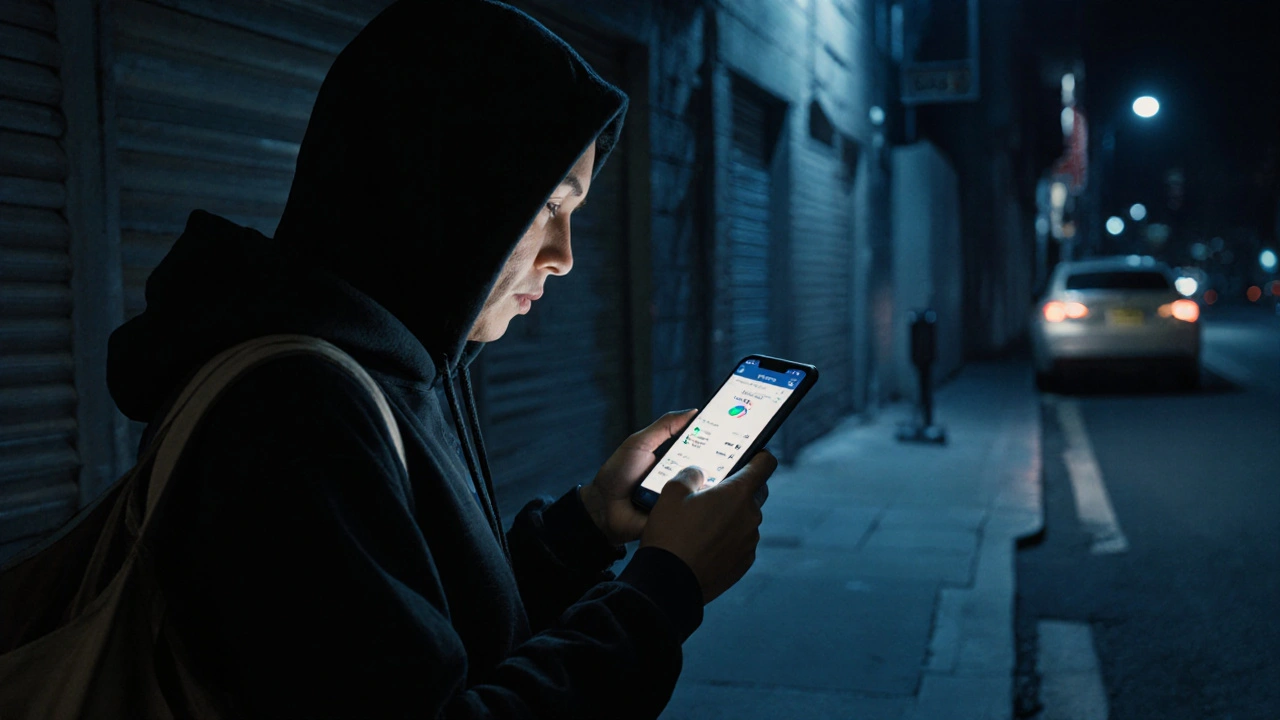
Digital security, the practice of protecting personal data, devices, and online identity from tracking or exposure. Also known as online privacy for vulnerable workers, it’s one of the most urgent safety tools today. Police can seize your phone without a warrant. Clients can screenshot your messages. Apps can leak your location. That’s why stripping photo metadata, using encrypted messaging like Signal, and avoiding traceable payments aren’t optional—they’re survival tactics. And it’s not just sex workers. Medical escorts who handle sensitive patient info need the same level of digital hygiene. A single unsecured file can expose a client’s diagnosis, a caregiver’s schedule, or your own home address.
Emergency protocols, pre-planned steps to take if something goes wrong—like a check-in system, escape route, or silent alarm. Also known as safety routines, they turn panic into action. Think of it like a fire drill, but for human risk. Sex workers use apps like SafetyPin to send live location updates to trusted contacts. Medical escorts carry pre-loaded emergency numbers for local hospitals and police. Tour escorts keep a list of safe hotels and local contacts in every city they visit. These aren’t fancy systems. They’re simple: tell someone where you are, when you’ll check in, and what to do if you don’t. If your phone dies? Have a backup plan. If your ride doesn’t show? Know your exit. If a neighbor asks too many questions? Have a calm, rehearsed answer.
And then there’s housing safety, the physical and social measures that make your home a secure base, not a liability. Also known as safe living environments for high-risk workers. Locks matter. Lighting matters. Neighbor relationships matter. A sex worker in a high-rise might install a peephole camera and a secondary exit. A medical escort working nights might keep a spare key with a trusted friend. A tour escort staying in unfamiliar cities might avoid booking the same hotel twice. These aren’t paranoia—they’re adjustments. The same way you’d lock your car, you lock your space. And you don’t wait until something happens to think about it.
What you’ll find below isn’t theory. It’s what real people use. From legal tools like protective orders to low-tech fixes like using a burner phone for client calls, these posts give you the exact steps others have taken to stay safe. No jargon. No fluff. Just the tools that work—today, in real life, in the UK and beyond. You don’t need to be an expert. You just need to start.
- Oct, 23 2025
- 0 Comments
Reporting Violence: How Sex Workers Can Document and Seek Support
Sex workers can protect themselves by documenting violence with encrypted tools and reaching out to trusted organizations. Learn how to safely record incidents, who to contact, and how to build a personal safety plan without relying on police.
read more