Sex Worker Tenant Rights: Housing Protections and How to Stay Safe
When you’re a sex worker, a person who exchanges sexual services for money, often navigating legal gray areas and social stigma. Also known as independent escort, it’s not just about who you work with—it’s where you live. Many landlords won’t rent to you if they find out what you do. Others use vague lease clauses to pressure you out. And in places where sex work isn’t clearly legal, you might be told you have no rights at all. But that’s not true. Even in restrictive environments, tenant rights, the legal protections given to people who rent property, including security of tenure and protection from unlawful eviction still apply. You don’t lose those just because of your job.
What most sex workers don’t realize is that housing discrimination, the unfair treatment of tenants based on their occupation, identity, or lifestyle is illegal in many places—even if your work isn’t fully legal. Landlords can’t kick you out just because they think you’re a sex worker. They need a valid reason: missed rent, property damage, breaking a clear lease rule. If they try to evict you for no reason, or harass you because of rumors, that’s discrimination. And you can fight back. Some cities have legal protections for sex workers, specific laws or policies that prevent denial of housing, services, or employment based on sex work. In Australia and parts of the UK, there are documented cases where sex workers successfully challenged eviction notices using anti-discrimination laws. Even if you’re not in one of those areas, you still have basic rights under tenancy law. You can ask for written notice, request a hearing, and get help from housing advocacy groups that specialize in marginalized workers.
It’s not just about fighting eviction—it’s about staying safe where you live. That means knowing how to secure your door, manage neighbor relations, and keep your work private without living in fear. Many of the posts below cover real, practical steps: how to install smart locks without raising suspicion, how to respond when a landlord shows up unannounced, what to say when they ask about your "schedule." You’ll find advice from sex workers who’ve been through it—how they kept their homes, what documents they kept handy, which organizations actually helped them. There’s no magic fix, but there are proven strategies that work in real life. This isn’t theoretical. These are the tools people are using right now to stay housed, safe, and in control.
- Oct, 18 2025
- 0 Comments
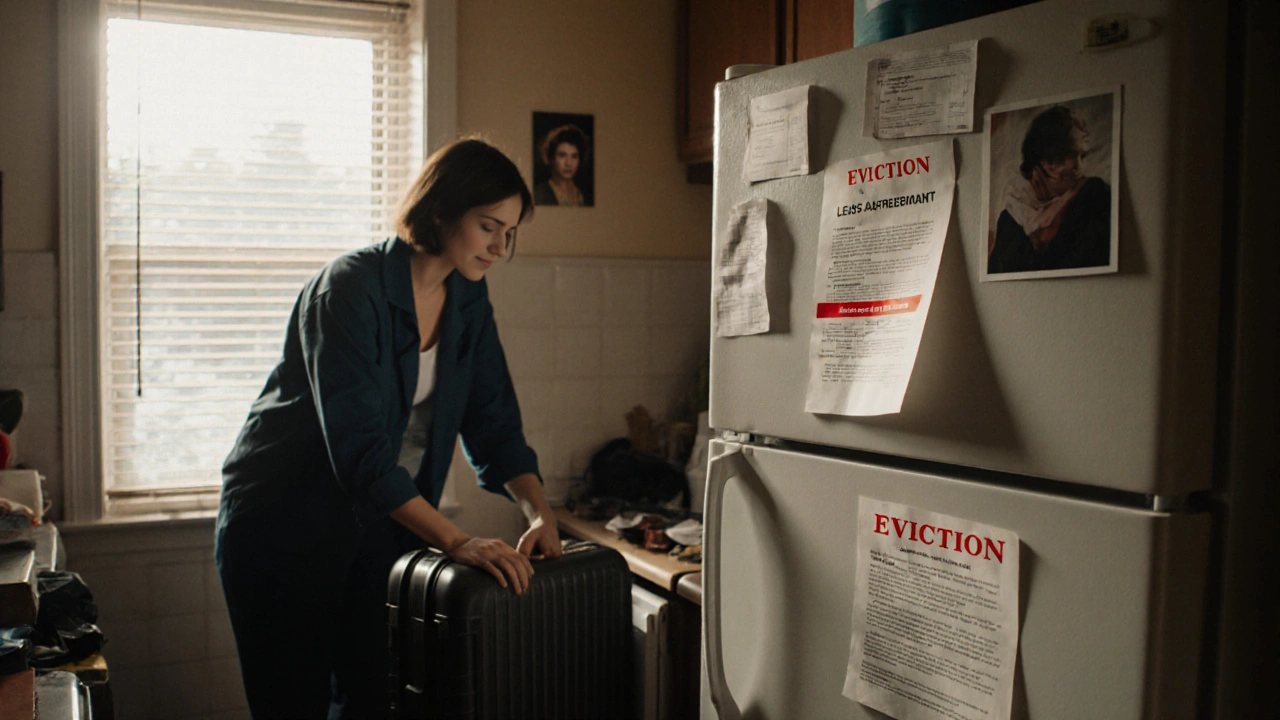
Tenant Rights for Sex Workers: Eviction Risks and Legal Protections
Sex workers face eviction risks even when their work is legal. Learn how tenant rights, local laws, and legal protections can help you fight unlawful eviction and stay in your home.
read more