STI Testing for Sex Workers: What You Need to Know
When it comes to your health, STI testing, the process of checking for sexually transmitted infections through medical screening. Also known as sexual health screening, it’s not just a routine checkup—it’s a daily shield for people who work in sex work. Many assume STI testing means walking into a clinic and facing judgment, but that’s not the reality for those who know where to go and how to ask for the right care. In fact, regular testing is one of the most powerful tools you have to protect yourself, your clients, and your peace of mind.
Sex worker health, the overall physical and mental well-being of individuals engaged in sex work. goes far beyond avoiding infection. It includes knowing which tests to get, how often, and how to find providers who won’t shame you for your work. Hepatitis B, HIV, chlamydia, gonorrhea, syphilis—these are the big ones. But don’t forget about HPV, herpes, and trichomoniasis. Some clinics offer full panels in one visit. Others let you pick and choose. You don’t need a doctor’s note. You don’t need to explain your job. You just need to show up. And if you’re traveling for work, medical escort services, trained professionals who assist with transportation and care during medical visits. can help you get to appointments safely, especially in unfamiliar cities or when you’re recovering from a procedure.
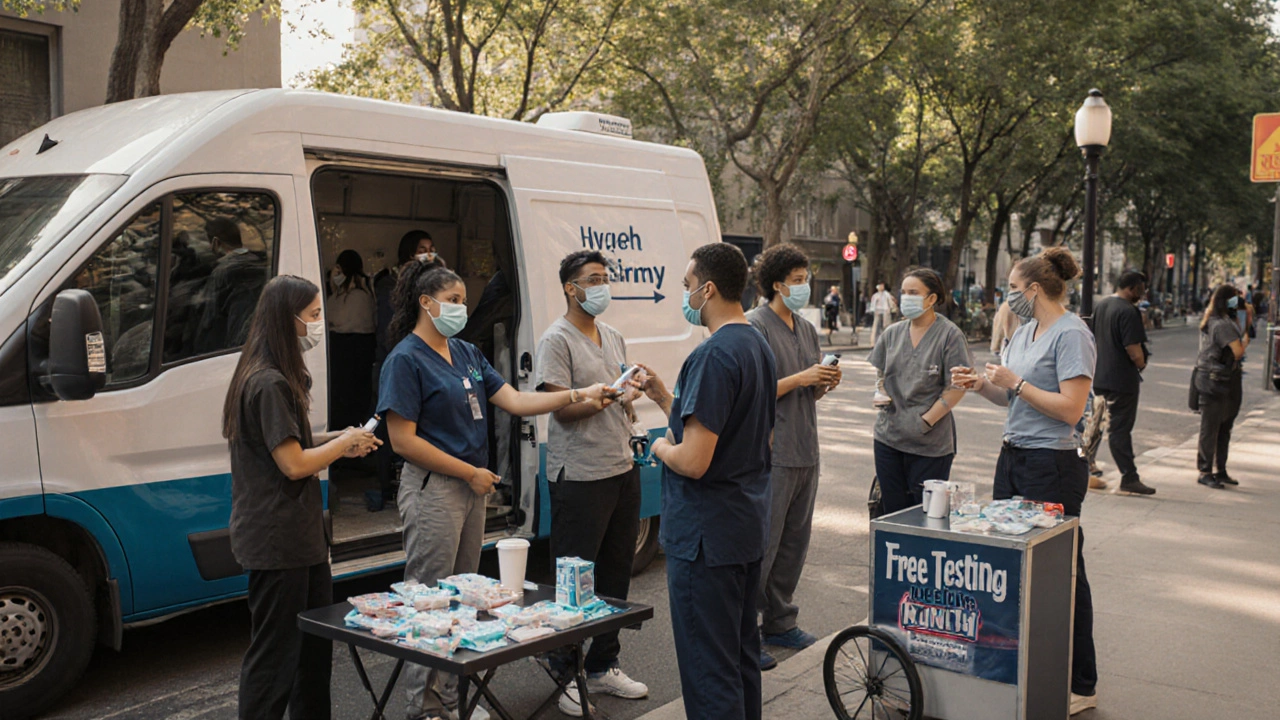
What most people don’t tell you is that STI testing doesn’t have to be scary or expensive. Many community health centers offer free or low-cost tests with no ID required. Some even have drop-in hours or mobile vans that come to neighborhoods. Apps and online tools can help you find the nearest clinic that treats sex workers with respect. And if you’re worried about privacy, encrypted messaging and discreet packaging for test kits make it easier than ever to manage your health on your own terms.
There’s a myth that if you’re careful, you don’t need regular testing. But STIs don’t always show symptoms. Someone can carry chlamydia for months without knowing. A single unprotected encounter can change everything. That’s why testing every three to six months isn’t optional—it’s standard practice for anyone who’s sexually active, especially in this line of work. The sooner you catch something, the easier it is to treat. And treatment doesn’t mean the end of your career. It means you get to keep working safely.
Some clinics now offer at-home STI test kits you can order online and send back by mail. No waiting rooms. No awkward questions. Just results sent directly to your phone. Others partner with local organizations that provide peer-led health support, where other sex workers walk you through the process. You’re not alone in this. Thousands of people do this every day, and they’ve built systems to make it simple, quiet, and effective.
STI testing isn’t about fear. It’s about control. It’s about knowing your body, protecting your income, and staying in charge of your life. Whether you’re working locally or traveling across the country, having a testing plan built into your routine keeps you ahead of risks. And when you pair that with good boundaries, digital safety, and trusted support networks, you’re not just surviving—you’re thriving.
Below, you’ll find real stories, practical guides, and clear advice from others who’ve been where you are. From how to talk to a clinic without feeling exposed, to how medical escort services can help you get tested after long travel days—every post here is built to give you tools you can use today, not tomorrow.
- Nov, 12 2025
- 0 Comments
Occupational Health for Sex Workers: STI Testing, Vaccinations, and Prevention
Sex workers deserve safe, accessible health care. Learn how regular STI testing, free vaccinations, and practical prevention tools like PrEP and condoms can keep you healthy and in control-without stigma or judgment.
read more