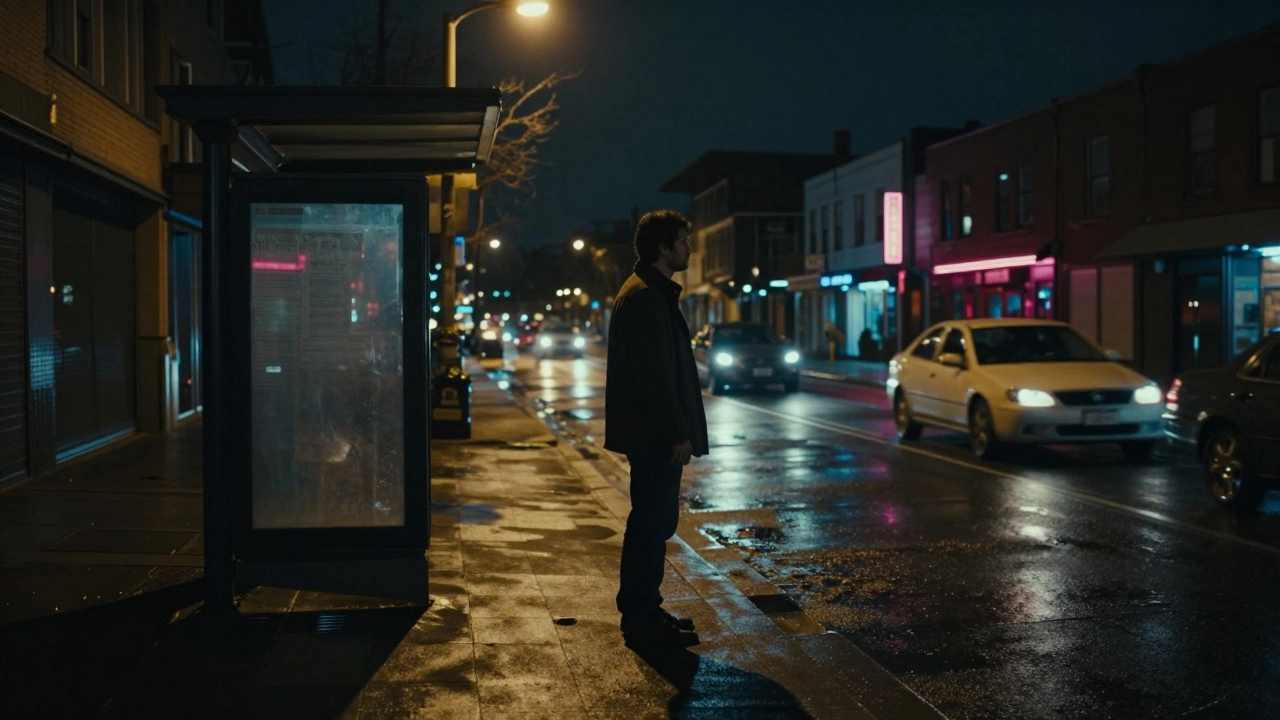
If you’ve ever wondered whether simply talking to someone on the street could land you in legal trouble, you’re not alone. In many places, the line between offering a service and breaking the law is blurry-especially when it comes to sex work. Solicitation laws don’t always target the person selling sex. Sometimes, they target the buyer. Other times, they target anyone who even appears to be trying to make a deal. And in some places, just being in a certain area at night can be enough to get you stopped, questioned, or arrested.
What Exactly Is Solicitation in Sex Work?
Solicitation in the context of sex work means asking, offering, or agreeing to exchange sex for money-or anything of value. It doesn’t matter if the exchange actually happens. The act of communicating intent is often enough to trigger legal consequences. In places like Australia, the U.S., and parts of Europe, laws vary wildly. But the core idea is the same: if you’re openly trying to arrange a transaction, you might be breaking the law.
For example, in Western Australia, where I live, it’s legal to sell sex, but it’s illegal to solicit clients in public. That means standing on a street corner, waving at passing cars, or even handing out flyers can be considered solicitation. The law doesn’t care if you’re alone, if you’re safe, or if you’ve been doing this for years. The act itself is the offense.
Who Gets Targeted by These Laws?
One of the biggest problems with solicitation laws is who they actually punish. Data from police reports in cities like Perth, Sydney, and Melbourne show that the vast majority of arrests under solicitation laws are against people who sell sex-not the people buying it. In 2023, over 85% of solicitation charges in Western Australia were laid against sex workers. Only 12% were against clients. The rest were against third parties, like drivers or people who helped with advertising.
This imbalance isn’t accidental. Law enforcement often uses these laws as a tool to push sex workers out of public spaces-not to stop exploitation or trafficking, which are separate crimes. In many cases, sex workers are forced into more dangerous situations because they can’t safely screen clients or negotiate terms in public anymore. They end up working in isolated areas, late at night, or online without proper safety tools.
What Actions Count as Solicitation?
It’s not always obvious what counts as solicitation. Here’s what actually triggers legal trouble in most jurisdictions:
- Approaching someone in a vehicle and saying something like, "Want to hook up?" or "How much for an hour?"
- Standing in a known "red light" area and making eye contact or gestures that suggest availability
- Using signs, flyers, or chalk messages in public spaces advertising sexual services
- Texting or calling someone from a public place with the intent to arrange a meeting for sex
- Being in a car parked in a known solicitation zone with the intent to offer services
Even something as simple as saying, "I’m available," while sitting on a bench near a busy road can be interpreted as solicitation-especially if the officer believes you’re waiting for clients. Courts don’t require proof of a completed transaction. Intent is enough.
What Doesn’t Count as Solicitation?
There are important exceptions. In many places, including Australia, you’re not breaking the law if:
- You’re advertising online through a website or app, even if it’s explicit
- You’re meeting a client in a private location you’ve arranged in advance
- You’re talking to someone in a bar, club, or private home without making a public offer
- You’re asking for help, support, or information from an advocate or health worker
Online advertising is legal in most Australian states as long as it doesn’t involve public spaces. That’s why many sex workers now use platforms like private websites, encrypted messaging apps, or vetted booking services. It’s not perfect, but it’s safer-and it doesn’t break the law.
How Do Police Prove Solicitation?
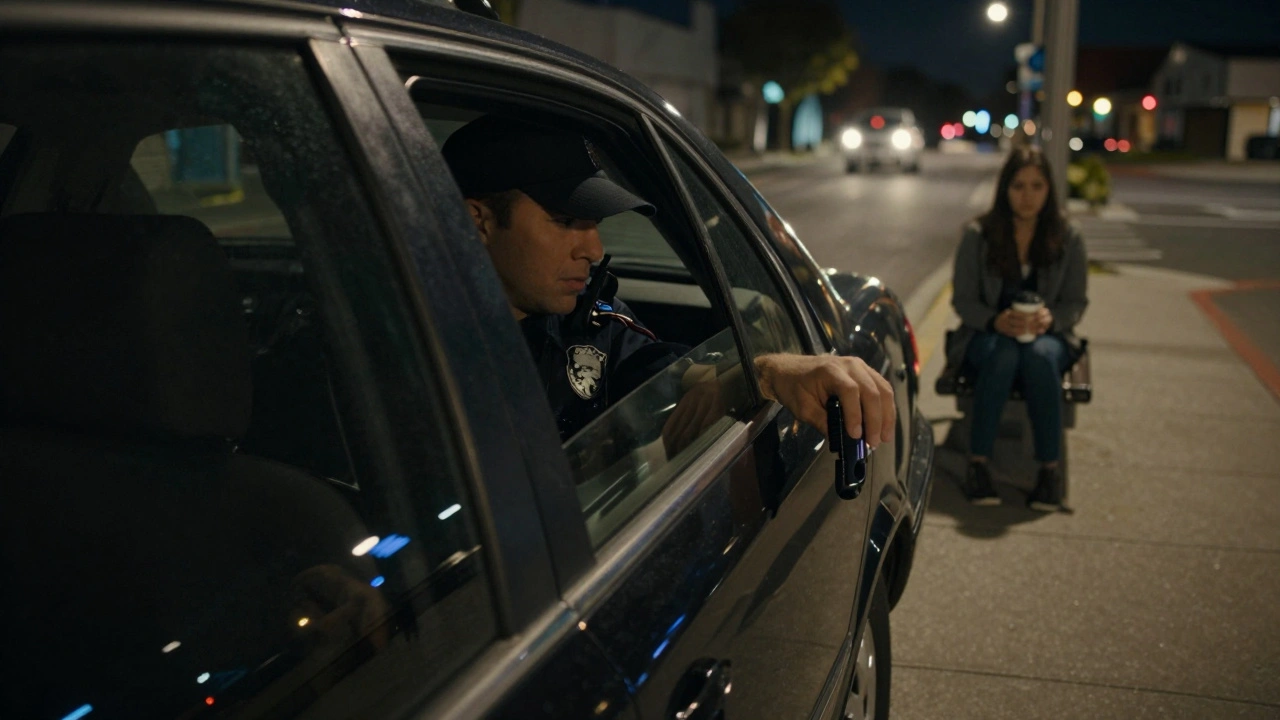
Police often use undercover officers to catch people in the act. An officer might drive slowly through a known area, make eye contact, and then pull over if someone responds. In court, the officer’s testimony is usually enough. There’s no need for recorded conversations, video, or physical evidence. Just the officer saying, "They offered sex for money," is often sufficient for a conviction.
Some jurisdictions have even used sting operations where officers pose as clients and wait for someone to approach them. These operations are legal, but they’re controversial. Critics say they target vulnerable people who don’t have other options, and that they don’t reduce trafficking or exploitation.
What Are the Penalties?
Fines for solicitation vary by location. In Western Australia, a first offense can cost up to $2,000. A second offense can lead to a fine of $4,000 or more. In some cities, like Melbourne, repeat offenders can face jail time-though that’s rare. Most people get fined and are told to stay away from certain areas.
But the real cost isn’t just the fine. A solicitation charge can show up on a police check. That can affect jobs, housing applications, or even visa renewals for non-citizens. Many sex workers avoid seeking medical care or reporting crimes because they fear being flagged by the system.
Why Do These Laws Still Exist?
Many lawmakers argue that solicitation laws protect public order and prevent exploitation. But research from the University of Melbourne and the Australian National University shows the opposite. When sex work is criminalized, workers are more likely to experience violence, less likely to carry condoms, and less likely to report abuse.
Decriminalization models-like those in New Zealand and parts of Canada-have proven more effective. In New Zealand, where sex work is fully decriminalized, violence against sex workers dropped by 40% in the first five years. Police focus on trafficking and coercion, not on people who are just trying to make a living.
The truth is, these laws aren’t about safety. They’re about visibility. They’re about making sex work invisible-not because it’s dangerous, but because society doesn’t want to see it.
What Can You Do If You’re Charged?
If you’re arrested for solicitation, you have rights. You don’t have to answer questions. You don’t have to admit anything. You have the right to legal representation. Many legal aid services in Australia offer free help to sex workers facing charges.
Organizations like Scarlet Alliance and the Western Australian Sex Workers Outreach Program can connect you with lawyers who understand these laws. They can help you challenge the charge, especially if the evidence is weak or if the officer’s behavior was inappropriate.
Don’t assume you’ll lose. Many cases are dropped because the officer’s testimony doesn’t hold up in court. Sometimes, the officer didn’t record the interaction. Sometimes, the language used wasn’t clear enough to prove intent.
Where Is This Changing?
Change is slow, but it’s happening. In 2024, the Northern Territory in Australia began reviewing its solicitation laws after a report found that 70% of charges were against Indigenous women. In Victoria, a pilot program is testing whether decriminalizing street-based sex work reduces violence and improves access to health services.
Internationally, countries like Portugal and Spain have moved toward decriminalization. Even in the U.S., cities like San Francisco and Seattle have stopped prosecuting solicitation charges for sex workers, focusing instead on holding buyers accountable.
These aren’t just policy changes. They’re shifts in how society sees people who sell sex. It’s about recognizing that safety, dignity, and autonomy matter more than keeping things out of sight.
What’s Next?
If you’re a sex worker, know your rights. Know where to get help. Don’t assume the law is on your side-but don’t assume you’re powerless either.
If you’re not a sex worker, ask yourself: Why are we criminalizing survival? Why do we punish people for trying to make a living, while ignoring the real harms-like trafficking, coercion, and violence-that affect everyone?
These laws don’t protect people. They silence them. And until we change that, nothing will truly get safer.