Bilingual Wedding Stationery: Ideas for Dual-Language Cards and Displays
When you’re planning a wedding with family or guests who speak more than one language, bilingual wedding stationery, wedding materials designed to communicate clearly in two languages. Also known as dual-language wedding cards, it helps everyone feel included without cluttering the design. This isn’t just about translation—it’s about making sure your guests know where to sit, how to spell their names, and what the day’s flow looks like, no matter their first language.
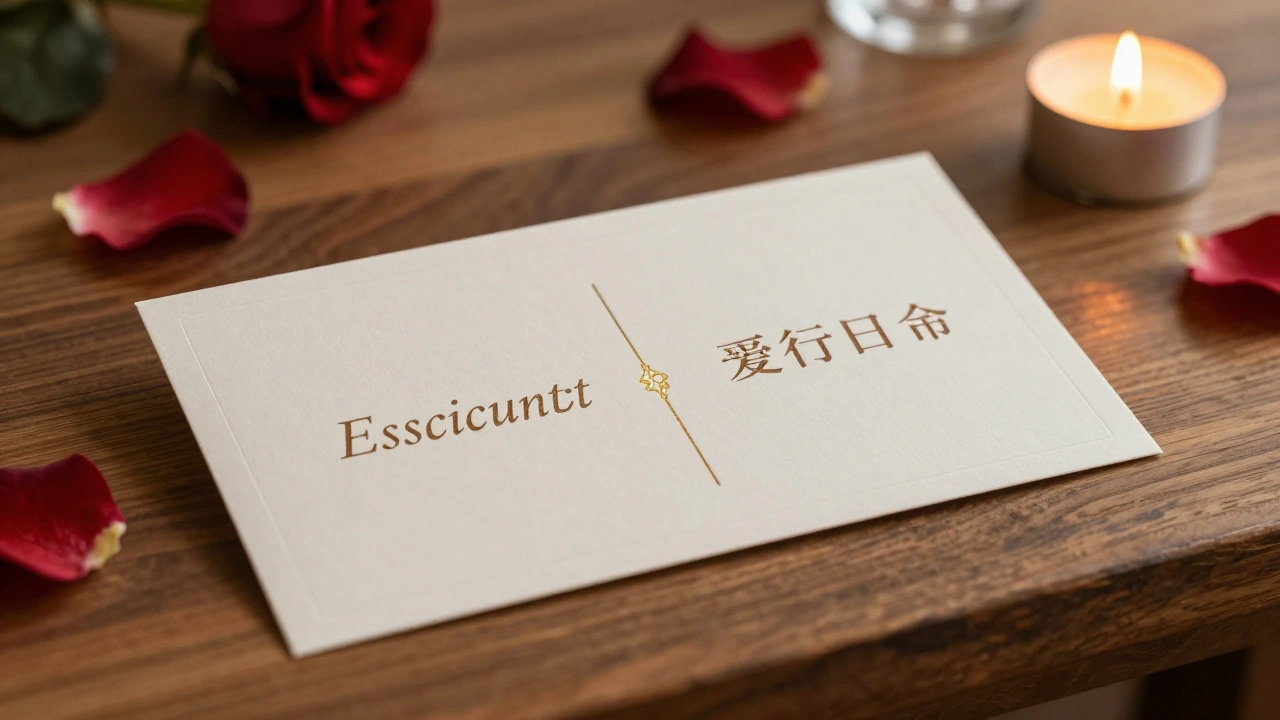
Most couples who use bilingual stationery start with wedding escort cards, small cards that guide guests to their assigned tables. These are the most practical piece of the puzzle. You can list names in both languages side-by-side, or use a clean two-column layout. Some use one language on the front and the other on the back—simple, elegant, and easy to read. Others go for creative displays like wooden boards with cards in both languages clipped on, or hanging lanterns with cards tucked inside. The key? Keep fonts large, contrast high, and placement obvious. Avoid cramming text. Guests shouldn’t need a magnifying glass to find their table.
Then there’s the material. If you care about sustainability, eco-friendly wedding stationery, paper and printing choices that reduce environmental impact. is a growing trend. Recycled paper, plantable seed paper, or even reusable fabric tags are all options that work beautifully with bilingual text. You can print names in English and Spanish, Mandarin and English, or any two languages you need—without wasting resources. Skip the glitter, plastic coatings, or non-recyclable laminates. They look flashy but don’t last, and they’re hard to dispose of responsibly.
What you avoid matters just as much as what you include. Don’t use Google Translate alone—awkward phrasing can confuse or even offend. Work with a native speaker to check tone and meaning. Also, don’t assume both languages need equal space. Sometimes one language is longer. Adjust spacing, font size, or layout to keep it balanced. And never put both languages in the same line unless you’re certain the fonts and spacing won’t clash visually. Clutter kills clarity.
Many couples also use bilingual stationery for programs, table numbers, and even menus. But the real win is in the escort cards. They’re the first thing guests interact with at the reception. If they’re clear, thoughtful, and easy to read, it sets the tone for the whole night. People notice when you’ve made an effort. And in a world where weddings feel rushed and generic, that effort sticks.
Below, you’ll find real examples of bilingual wedding stationery that worked—what looked good, what guests actually used, and what you should skip. From herb garden tags to LED-lit cards, there’s a style here for every kind of celebration. Whether you’re going rustic, modern, or eco-conscious, you’ll find practical ideas that fit your vibe—and your guests’ needs.
- Dec, 1 2025
- 0 Comments
Escort Cards for Bilingual Weddings: Language and Typography Tips
Bilingual wedding escort cards make guests feel included. Learn how to choose languages, pick the right fonts, avoid common mistakes, and design cards that work for every language.
read more