Decriminalization of Sex Work: Rights, Safety, and Real-World Impact
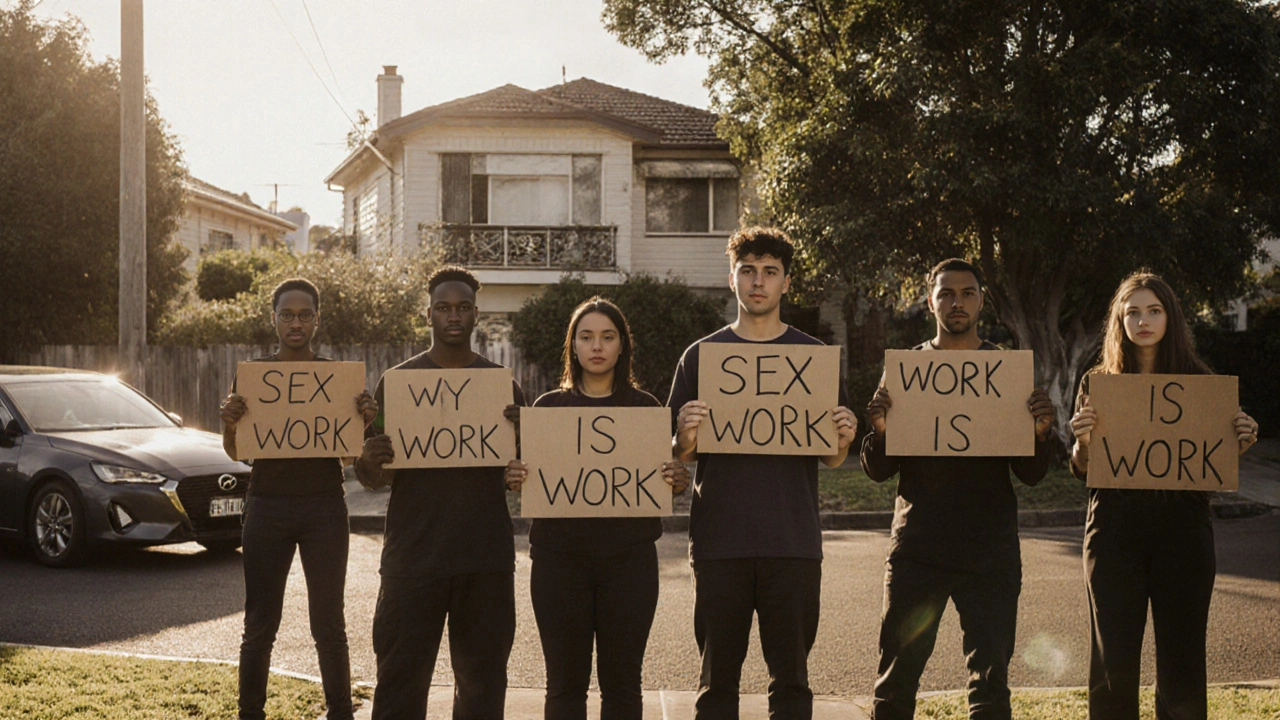
When we talk about decriminalization of sex work, the removal of criminal penalties for consensual adult sex work, not full legalization or regulation. Also known as removing laws that criminalize sex work, it means sex workers aren’t treated as criminals for doing their job—just like any other worker. This isn’t a theoretical idea. It’s a policy backed by the UN, the United Nations, which has repeatedly called for decriminalization to protect health and human rights and the WHO, the World Health Organization, which links criminalization directly to higher HIV rates and increased violence. Countries that have removed criminal penalties—like New Zealand and parts of Australia—see fewer arrests, better access to healthcare, and lower rates of assault. Criminalization doesn’t stop sex work. It just pushes it underground, where workers are more vulnerable.
Why does this matter? Because when sex work is illegal, workers can’t report violence without risking arrest. They can’t ask for help from police, because the law treats them as the problem. They can’t use safety tools like bad date lists or screen clients openly, because doing so could be used as evidence against them. Decriminalization flips that. It lets sex workers talk to each other, share warnings, and use apps and GPS tracking to stay safe—just like the medical escort services, professional transport providers who use technology to keep patients safe during clinic visits do for their clients. The same logic applies: safety comes from trust, transparency, and the freedom to act without fear of punishment.
This isn’t just about law—it’s about survival. Workers with disabilities, migrants, or those living in poverty face even greater risks under criminalization. They can’t afford lawyers, can’t navigate court systems, and often get trapped in cycles of arrest and fines. Decriminalization removes those barriers. It doesn’t mean no rules. It means rules that protect, not punish. It means being able to walk into a clinic without hiding your income, or file a police report without being charged yourself. The posts below show exactly how this plays out: from legal defenses against entrapment, to protecting your identity in court, to building emergency funds when income is unstable. These aren’t abstract debates. They’re real-life tools used by people every day to stay alive and in control.
- Nov, 27 2025
- 0 Comments
Decriminalization vs Legalization of Sex Work: Understanding the Legal Models
Decriminalization and legalization of sex work are often confused, but they have very different impacts on safety, rights, and health. This guide explains how each model works and what the evidence shows about their real-world effects.
read more