Digital Censorship and Sex Work: How Online Restrictions Impact Safety and Survival
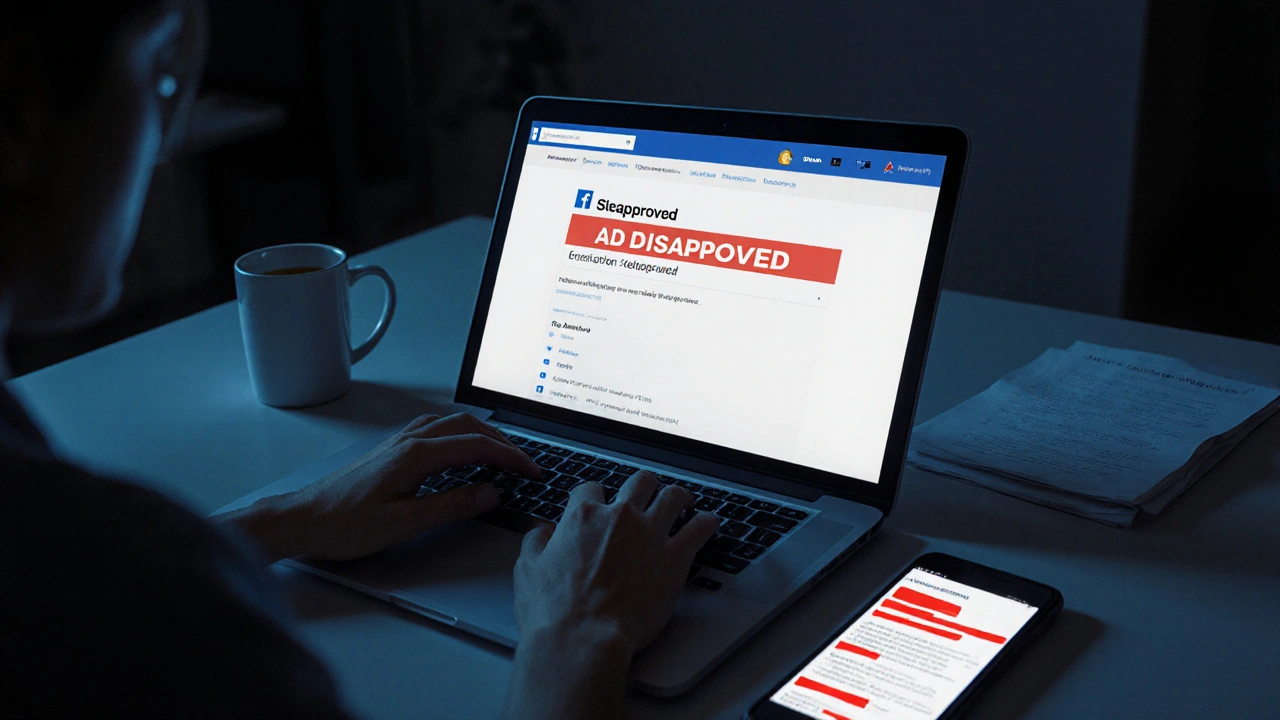
When you hear digital censorship, the suppression of online content by platforms, governments, or corporations. Also known as online content moderation, it often sounds like a policy issue—but for sex workers, it’s a matter of survival. Every time a platform deletes a profile, bans an account, or flags a post as "adult content," it doesn’t just remove a listing—it removes a worker’s ability to screen clients, set boundaries, and stay safe. This isn’t about morality. It’s about access to tools that prevent violence, scams, and arrest.
CDA 230, a U.S. law that shields online platforms from legal liability for what users post was once a lifeline for sex workers. It let sites like Reddit, Twitter, and even adult-focused forums exist without fear of being sued for every post. But now, pressure from lawmakers and moral panic is eroding those protections. Platforms respond by over-censoring—not because they want to, but because they’re scared of lawsuits or losing payment processors. That’s why online platform safety, the ability to operate securely on digital spaces without fear of sudden removal or exposure is disappearing. Workers who used to rely on encrypted messaging, private ads, and verified profiles now face constant uncertainty. One wrong word, one flagged image, and your income vanishes overnight.
This isn’t just about ads or profiles. It’s about the entire ecosystem that keeps sex workers alive. Digital censorship pushes people into more dangerous situations—street-based work, unvetted clients, cash-only transactions—because the tools that allowed them to work from home, screen for danger, and share safety tips have been taken away. Internet law, the legal framework governing online speech, data, and platform responsibility is supposed to protect free expression, but in practice, it’s being weaponized to silence marginalized voices under the guise of "protection."
What you’ll find in the posts below aren’t abstract debates. They’re real stories and practical guides from people who’ve lost accounts, fought bans, and rebuilt their safety nets after platforms turned their backs. You’ll read about how CDA 230 actually works, why it matters more than you think, and how to protect your digital presence when every algorithm is against you. There’s no fluff here—just what you need to know to stay visible, safe, and in control when the internet is trying to erase you.
- Nov, 30 2025
- 0 Comments
Advertising Restrictions Affecting Sex Work: Platform Policies and Laws
Advertising restrictions on sex work force workers offline, increasing danger and limiting income. Learn how platform policies and outdated laws impact safety, banking, and legal rights worldwide.
read more