Human Rights and Sex Work: Safety, Law, and Dignity for Sex Workers
When we talk about human rights sex work, the principle that sex workers deserve the same legal protections, safety, and dignity as any other worker. Also known as sex worker rights, it’s not about politics—it’s about survival. People who exchange sex for money face arrest, violence, and exclusion from healthcare—not because of what they do, but because of laws that treat them as criminals instead of workers. That’s why the fight for decriminalization of sex work, removing criminal penalties for consensual adult sex work to improve safety and access to justice isn’t theoretical. It’s the difference between a sex worker calling 999 after an assault—or staying silent because they fear arrest. In places where sex work is decriminalized, like New Zealand, workers report better access to police protection, healthcare, and housing. The evidence is clear: criminalization drives the industry underground. Decriminalization brings it into the light—where safety can grow.
When you look at the posts here, you’ll see how sex work safety, the practical steps sex workers take to protect themselves from violence, scams, and exploitation isn’t just about personal caution. It’s built on legal frameworks. Bad date lists, GPS tracking for medical escorts, and doxxing protection aren’t just tools—they’re responses to systems that fail sex workers. Without legal protection, these tools become lifelines. A disabled sex worker needs accessible workspaces. A veteran needs VA-backed transport to appointments. A person facing arrest needs to know how to seal public records. These aren’t niche concerns—they’re human rights issues wrapped in daily routines.
And then there’s legal protection for sex workers, the ability to access courts, privacy, and fair treatment under the law without fear of discrimination or exposure. That’s what separates a person who can walk away from a bad date from one who gets trapped in a cycle of arrest and stigma. Legal protection means your income counts for child support. It means your name doesn’t end up on a public registry. It means you can use ride-hailing apps without being profiled. It means your medical escort service isn’t seen as suspicious. This isn’t about condoning anything. It’s about recognizing that people are already doing this work—and they deserve to do it without risking their freedom, health, or identity.
What follows isn’t a list of opinions. It’s a collection of real, actionable guides built by and for people who live this reality every day. From court processes after an arrest to how to protect your digital identity, these posts give you the facts—not the noise. You’ll find how to navigate legal systems, use technology safely, and demand basic dignity. No fluff. No judgment. Just what works when the system isn’t on your side.
- Nov, 28 2025
- 0 Comments
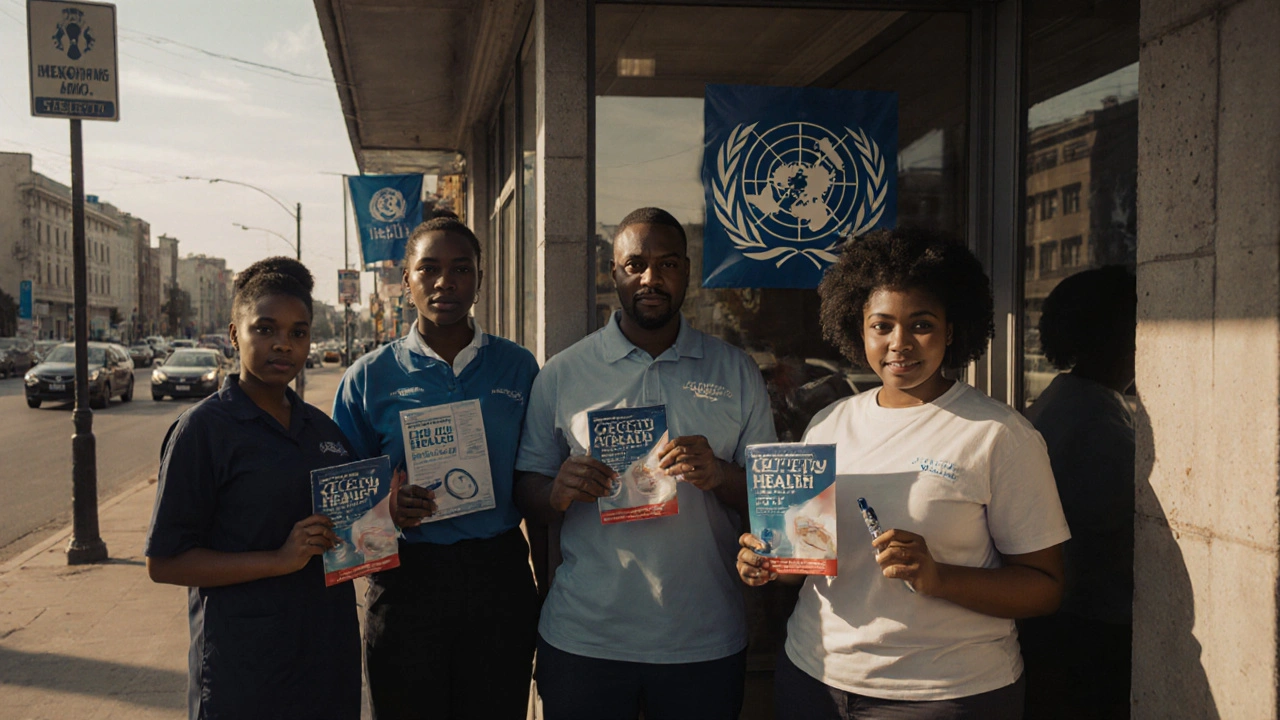
Human Rights Frameworks for Sex Work: UN and WHO Positions
The UN and WHO recommend decriminalizing sex work to protect health and human rights. Evidence shows it reduces violence, cuts HIV rates, and improves access to care. Criminalization does the opposite.
read more