Legalization of Sex Work: What It Means, Who It Helps, and Why It Matters
When we talk about the legalization of sex work, the process of removing criminal penalties for consensual adult sex work and regulating it under civil or labor laws. Also known as decriminalization, it’s not about promoting sex work—it’s about keeping people safe when they choose to do it. Countries that have moved away from criminalizing sex work—like New Zealand and parts of Australia—have seen drops in violence, fewer HIV infections, and better access to police and healthcare. Criminalization doesn’t stop sex work. It just pushes it underground, where workers are more vulnerable to exploitation, abuse, and arrest.
The human rights sex work, the framework that treats sex work as labor and affirms the dignity, autonomy, and safety of sex workers under international law is backed by the UN sex work policy, the official stance of the United Nations advocating for the decriminalization of sex work to protect health, reduce stigma, and uphold basic human rights and the WHO sex work guidelines, the World Health Organization’s evidence-based recommendations that decriminalization reduces transmission of sexually transmitted infections and improves access to medical care. These aren’t opinions. They’re based on decades of research from doctors, lawyers, and sex workers themselves. When sex work is criminalized, workers can’t report abuse without fearing arrest. They can’t get tested for STIs without risking their jobs or housing. They can’t use safety tools like bad date lists or GPS trackers without being labeled as part of a criminal network.
This isn’t just about laws on paper. It’s about real people—people who need to get to therapy appointments safely, who use medical escort services to avoid dangerous commutes, who rely on digital privacy tools to avoid doxxing, and who plan exit strategies because they want out but have no safety net. The posts here cover how legalization of sex work connects to everything from court outcomes after an arrest to how ride-hailing apps can be used safely, and why having a partner who understands your boundaries can be life-saving. You’ll find guides on how to protect your identity online, how to handle child support legally when your income comes from sex work, and how disabled sex workers navigate spaces that weren’t built for them. These aren’t abstract debates. They’re survival tactics shaped by real law, real risk, and real people trying to live without fear.
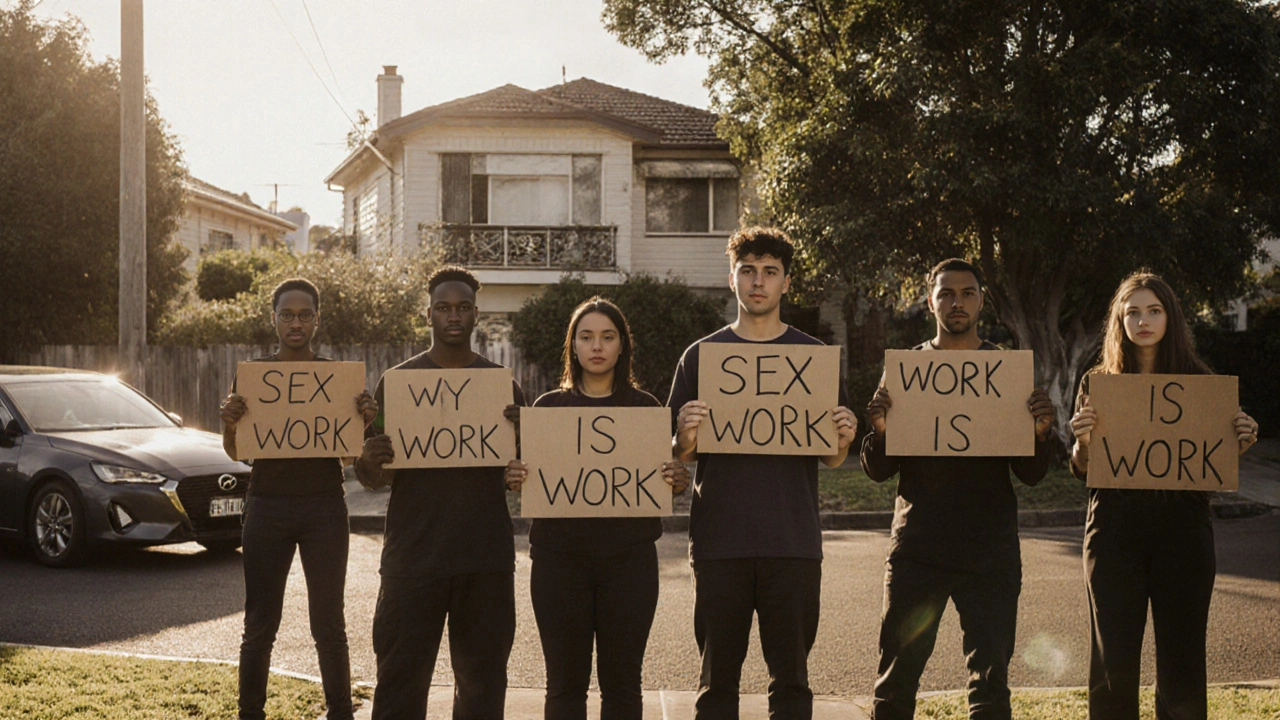
- Nov, 27 2025
- 0 Comments
Decriminalization vs Legalization of Sex Work: Understanding the Legal Models
Decriminalization and legalization of sex work are often confused, but they have very different impacts on safety, rights, and health. This guide explains how each model works and what the evidence shows about their real-world effects.
read more