Online Platform Policies for Sex Workers and Escort Services
When it comes to online platform policies, rules set by websites and apps that control what users can say, share, or do online. Also known as content moderation guidelines, these policies shape whether sex workers can safely advertise, connect with clients, or access support without being banned or reported. These aren’t just terms of service—they’re life-or-death decisions for people working online. A single policy change can erase a worker’s income, cut off emergency contacts, or push them into more dangerous situations overnight.
One of the biggest legal shields for these platforms is CDA 230, a U.S. law that protects online platforms from being held legally responsible for content posted by users. It’s why sites like Reddit, Backpage (before it shut down), or even private messaging apps can host sex work-related posts without facing criminal charges. But here’s the catch: while CDA 230 protects platforms, it doesn’t protect workers. Many sites use fear of legal trouble as an excuse to ban anything even remotely related to sex work—even when it’s legal, consensual, or safety-focused. That’s why workers rely on encrypted apps, private forums, and word-of-mouth networks instead of mainstream platforms.
Then there’s platform liability, the risk platforms face if they’re seen as enabling illegal activity. Because of this, companies often over-censor. A photo of a person in lingerie? Banned. A post saying "I’m available for companionship tonight"? Suspended. Even safety tips—like how to use a discreet alarm or verify a client’s ID—get flagged as "promoting prostitution." This creates a chilling effect. Workers can’t share resources, warn each other about dangerous clients, or access mental health support without risking their accounts.
It’s not just about sex work. digital sex work, any form of income earned through online interactions related to adult services, including messaging, streaming, or virtual companionship. is also caught in the crosshairs. Payment processors cut off accounts. Banks freeze funds. Social media bans entire communities. Workers are left scrambling—not because they’re breaking laws, but because platforms don’t know how to handle gray areas. And when they do try to help, like offering safety toolkits or verified badges, it’s often buried under layers of restrictive rules.
What’s missing? Clear, fair, and worker-informed policies. Most platforms don’t consult sex workers when drafting rules. They rely on law enforcement pressure, public outrage, or automated filters that can’t tell the difference between exploitation and consent. The result? Safe practices get punished. Vulnerable people get isolated. And the people who need help the most—those working alone, in high-risk areas, or under financial pressure—are the ones who lose access to the tools they need to survive.
Below, you’ll find real guides from people who’ve been through it. From how CDA 230 actually works in practice, to what safety tools still fly under the radar, to how tour escorts and medical escorts navigate similar digital barriers—these posts cut through the noise. No fluff. No judgment. Just what works when the system is stacked against you.
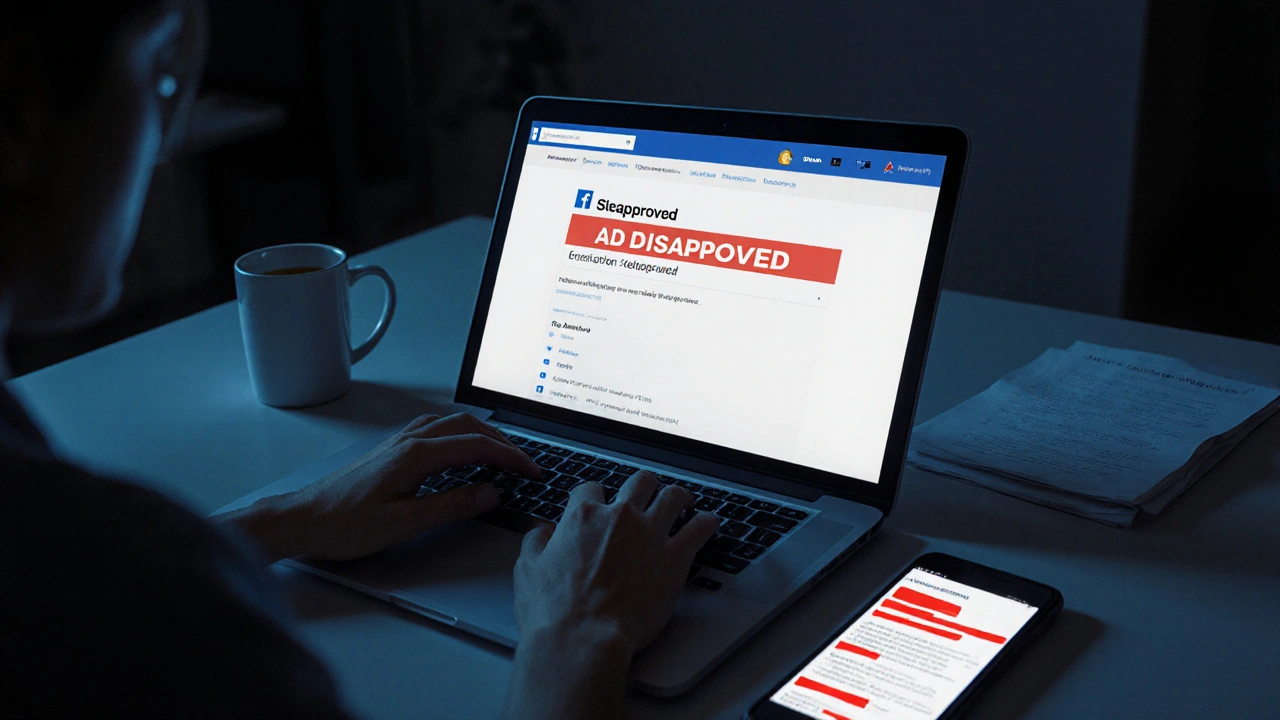
- Nov, 30 2025
- 0 Comments
Advertising Restrictions Affecting Sex Work: Platform Policies and Laws
Advertising restrictions on sex work force workers offline, increasing danger and limiting income. Learn how platform policies and outdated laws impact safety, banking, and legal rights worldwide.
read more