Sex Work and Law: Understanding Legal Risks, Rights, and Realities
When we talk about sex work and law, the legal framework surrounding consensual adult sexual services. Also known as prostitution law, it shapes everything from where someone can work to whether they can report violence without fear of arrest. This isn’t about morality—it’s about survival. In the UK, while selling sex isn’t illegal, nearly every activity around it is: working with another person, advertising online, renting a space, or even being in a vehicle together for that purpose. These laws don’t protect sex workers—they push them into isolation, silence, and danger.
That’s why decriminalization of sex work, removing criminal penalties for consensual adult sex work activities. Also known as full decriminalization, it’s not about legalizing brothels—it’s about treating sex work like any other job, where safety rules apply, not punishment. Countries that have tried this, like New Zealand, saw drops in violence, better access to healthcare, and more workers willing to report crimes. Meanwhile, solicitation laws, rules that target the act of offering or requesting sexual services. Also known as prostitution offenses, it’s often the tool police use to arrest workers, not clients. These laws create a one-sided crackdown: workers get fined or jailed for doing their job, while buyers walk away untouched. And when platforms like Facebook or Google ban ads for escort services, it’s not just about censorship—it’s about forcing people offline, where they’re more vulnerable.
It’s not just about what’s illegal—it’s about what’s ignored. Medical escort services, tour guides, and wedding planners all use the word "escort" without legal risk. But when it’s tied to sex, the same word becomes a crime. This contradiction isn’t accidental. It’s built into the system. The people most affected? Those who can’t afford lawyers, who don’t have safe housing, who are immigrants, trans, or disabled. They’re the ones paying the price for laws written by people who’ve never had to walk the streets at night to make rent.
Below, you’ll find real guides on how to navigate these laws, what safety tools actually work, how to clear old convictions, and what the UN and WHO say about protecting sex workers’ lives. No theory. No opinion. Just facts, strategies, and legal insights from people who’ve lived this.
- Dec, 3 2025
- 0 Comments
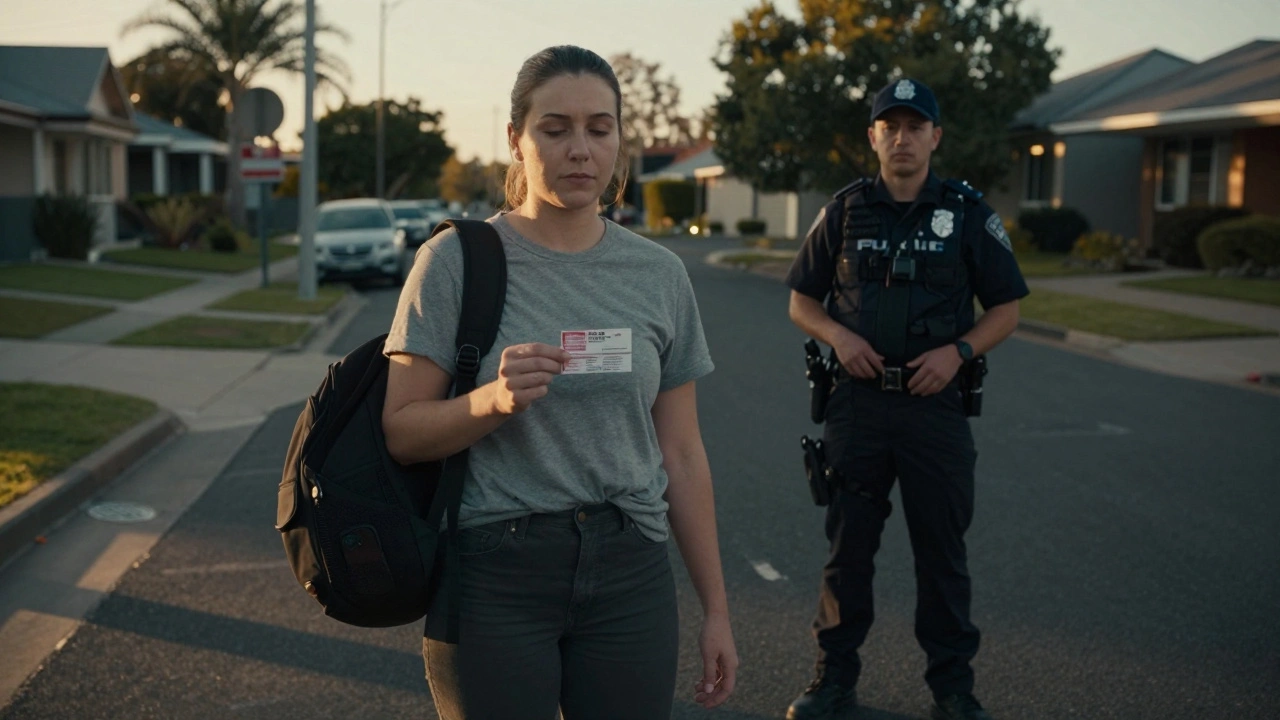
Know Your Rights: Safety Guidance for Sex Workers During Police Encounters
Learn your legal rights during police encounters as a sex worker in Australia. This guide covers what to say, what to do, and how to stay safe without risking arrest or abuse.
read more