Sex Work Decriminalization: What It Means and Why It Matters
When we talk about sex work decriminalization, the removal of criminal laws targeting consensual adult sex work. Also known as removing penalties for sex work, it means sex workers aren’t arrested, fined, or forced into the shadows just for doing their job. This isn’t about making sex work legal in the way casinos or pharmacies are regulated—it’s about treating it like any other work, where the focus is on safety, rights, and reducing harm, not punishment.
Decriminalization isn’t the same as legalization, a system where the government controls and licenses sex work like a business. Legalization often means strict rules—mandatory health checks, zoning laws, or banned outdoor work—that still push people into unsafe conditions. Decriminalization, on the other hand, lets sex workers make their own choices: where to work, who to see, how to screen clients. It’s the model backed by the World Health Organization, Human Rights Watch, and sex worker-led groups because it works. When police aren’t a threat, workers report violence. When they can talk openly, they access healthcare. When they can share information, they use bad date lists, peer-run databases to warn others about dangerous clients without fear of being arrested for organizing.
And it’s not just about laws—it’s about survival. In places where sex work is still criminalized, workers avoid calling police even when attacked. They skip medical appointments because they’re scared of being reported. They can’t rent apartments or open bank accounts without hiding their income. sex worker rights, the basic human rights of people who exchange sex for money are ignored. Decriminalization fixes that. It means workers can negotiate safer terms, use condoms without it being used as evidence, and walk away from a bad date without being labeled a criminal. It’s the reason sex worker safety, the ability to work without fear of arrest, violence, or exploitation improves dramatically in places like New Zealand and parts of Australia, where decriminalization is already law.
What you’ll find here isn’t theory. It’s real advice from people living this reality every day. From how to protect your identity in legal cases, to understanding court outcomes after an arrest, to building safety plans with partners—these posts give you the tools that only come from lived experience. There’s no sugarcoating. No guesswork. Just straight talk on what works, what doesn’t, and why the current system fails those it claims to protect.
- Nov, 28 2025
- 0 Comments
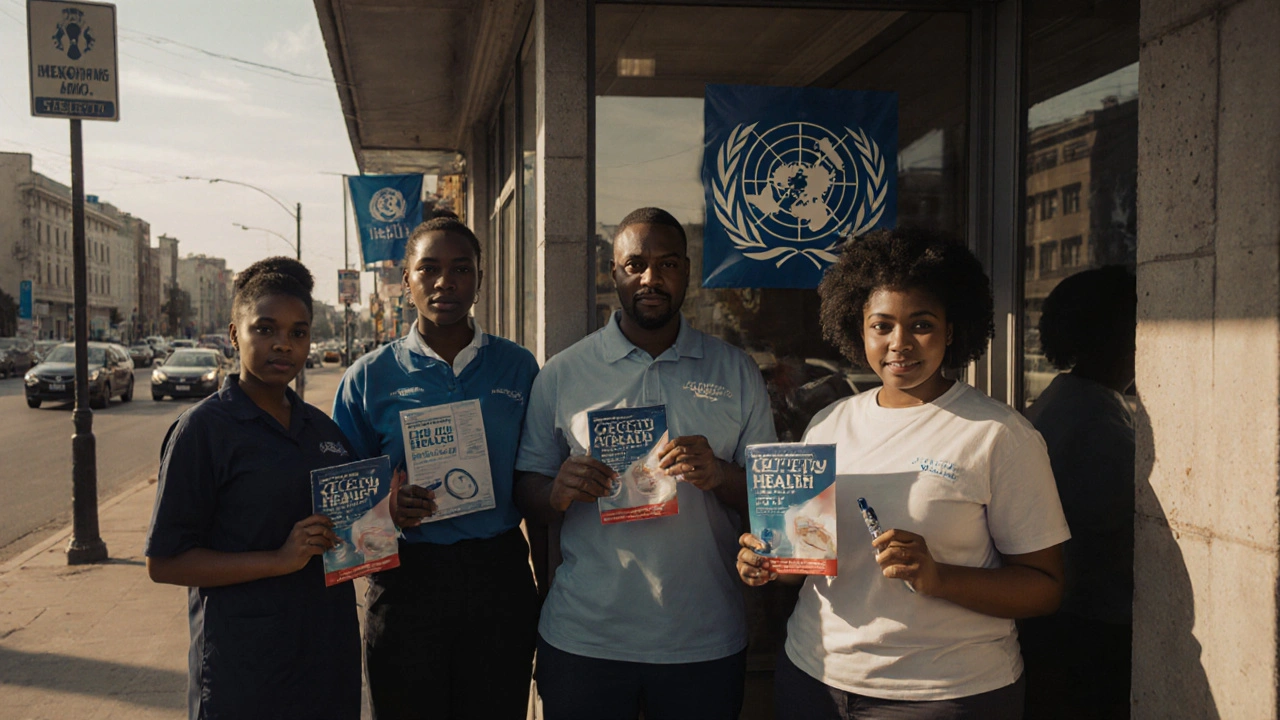
Human Rights Frameworks for Sex Work: UN and WHO Positions
The UN and WHO recommend decriminalizing sex work to protect health and human rights. Evidence shows it reduces violence, cuts HIV rates, and improves access to care. Criminalization does the opposite.
read more