Sex Work Expungement: Clearing Records and Rebuilding Lives
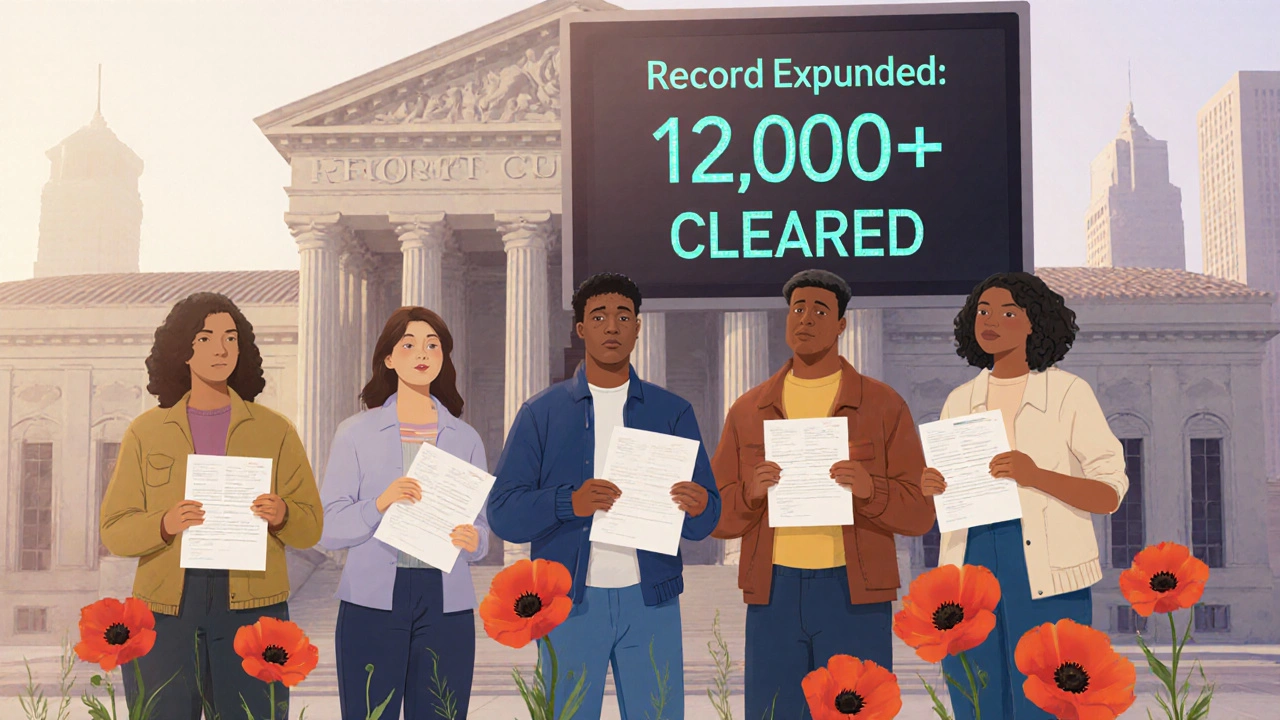
When someone is convicted for sex work, the record doesn’t just disappear when the law changes. It follows them—blocking jobs, housing, loans, even custody rights. Sex work expungement, the legal process of removing or sealing criminal records related to consensual adult sex work. Also known as record sealing, it’s not just paperwork—it’s a chance to rebuild a life that was derailed by outdated laws. This isn’t about erasing history. It’s about fixing a system that punished people for surviving, often while ignoring the real harm: violence, trafficking, and exploitation by others.
Sex work expungement doesn’t happen in a vacuum. It’s tied to decriminalization of sex work, the removal of criminal penalties for consensual adult sex work, which the UN and WHO now say reduces violence and improves health outcomes. When places like New York or California pass decriminalization laws, expungement often follows as a necessary step. But it’s not automatic. People have to fight for it—fill out forms, pay fees, show up in court. Many don’t even know they qualify. And even when they do, the stigma lingers. Banks still deny loans. Landlords still say no. Employers still check records. That’s why sex worker rights, the movement pushing for legal protection, dignity, and access to justice for people in sex work is so critical. It’s not just about changing laws—it’s about changing how society sees people who were criminalized for doing work that’s now recognized as legitimate.
Legal reform for sex workers isn’t just about future protection. It’s about repairing past damage. In states where expungement is available, people have gotten their records cleared and finally landed steady jobs, opened bank accounts, or regained custody of their kids. But in most places, the system still treats them like criminals. That’s why the posts below cover everything from how court processes work after an arrest, to what decriminalization really means, to how advertising bans and police encounters make it harder to escape the system. These aren’t abstract legal theories. They’re real stories of people trying to move on—and the barriers that still stand in their way. What you’ll find here isn’t just information. It’s a roadmap for anyone who’s been trapped by a record they never should’ve gotten in the first place.
- Nov, 30 2025
- 0 Comments
Expungement Options for Sex Work-Related Convictions: State-by-State Guide
Learn how to clear sex work-related convictions in your state. This guide covers automatic expungement, petition processes, and free legal help available in 2025 across the U.S.
read more