Sex Work Legal Rights: What You Need to Know About Laws, Safety, and Protection
When we talk about sex work legal rights, the legal protections and freedoms afforded to people who exchange sex for money. Also known as sex worker rights, it's not about whether sex work is moral—it's about whether people doing it can stay safe, access healthcare, avoid arrest, and work without fear. In the UK, sex work itself isn’t illegal, but almost everything around it is. Advertising, soliciting, brothel-keeping, and even working together for safety can land you in trouble. That’s not a loophole—it’s a trap.
This is where decriminalization of sex work, removing criminal penalties for all aspects of consensual adult sex work comes in. It’s not legalization, which means the government controls and regulates the industry like a business. Decriminalization means removing the laws that punish workers for doing their job safely. The UN, the United Nations, a global organization that sets human rights standards and the WHO, the World Health Organization, which studies public health impacts both say decriminalization saves lives. It cuts HIV rates, reduces violence, and lets workers report abuse without fear of arrest. Criminalization does the opposite—it pushes people into dangerous corners, makes them hide from police, and blocks access to medical care.
And it’s not just about laws. solicitation laws, rules that target people for talking about or arranging sex work are often used to harass workers, especially women of color and trans people. These laws don’t stop demand—they just make workers take bigger risks. That’s why tools like discreet alarms, small, hidden devices that alert someone if a worker is in danger, GPS trackers, and safety check-ins aren’t luxuries—they’re survival gear. Online platforms are another battleground. Laws like CDA 230, a U.S. law that protects websites from being sued for what users post let sex workers advertise safely. But pressure to censor is growing, and every time a platform bans a worker, someone loses income and safety.
What you’ll find here isn’t theory. It’s real advice from people who’ve been through arrest, court, eviction, and unsafe encounters. You’ll read about how to clear a criminal record, what happens after a police stop, how to spot a bad client before you meet them, and why your emergency exit matters more than your welcome mat. These posts don’t sugarcoat. They don’t preach. They just give you what you need to stay alive and in control.
- Dec, 3 2025
- 0 Comments
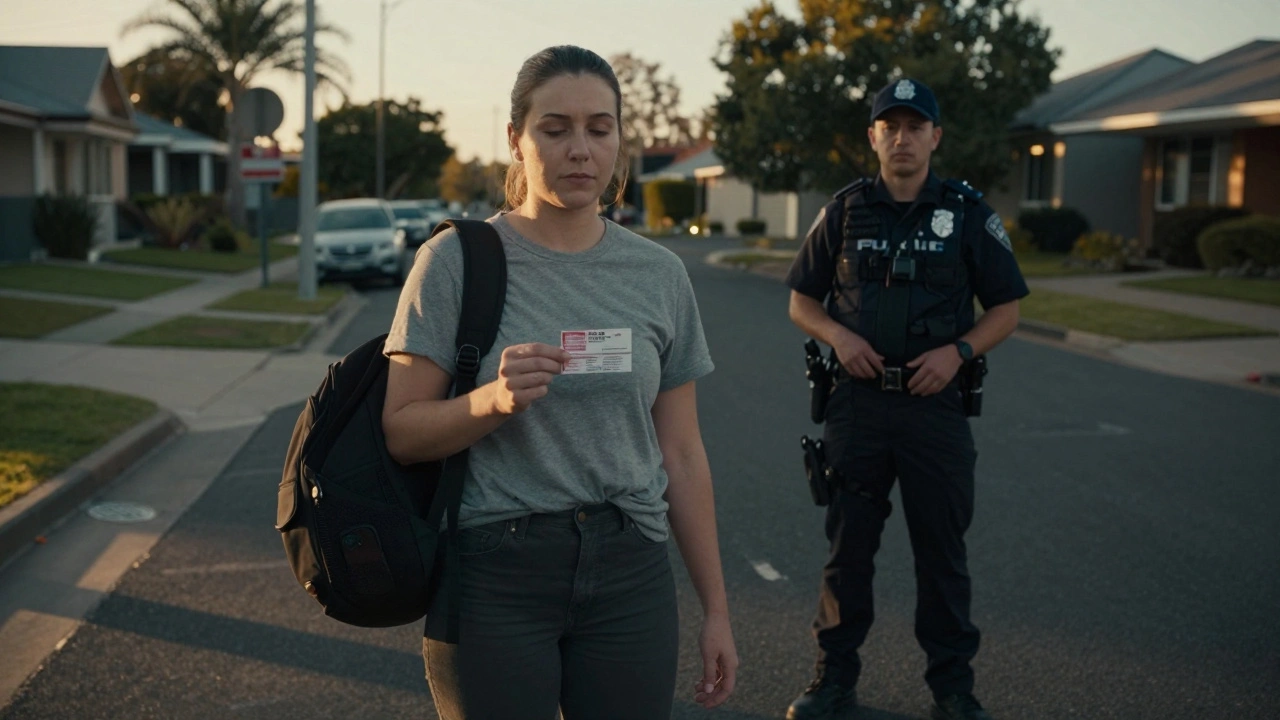
Know Your Rights: Safety Guidance for Sex Workers During Police Encounters
Learn your legal rights during police encounters as a sex worker in Australia. This guide covers what to say, what to do, and how to stay safe without risking arrest or abuse.
read more