Street Sex Work Safety: Essential Tips for Staying Safe on the Job
When it comes to street sex work safety, the practices and strategies sex workers use to protect themselves while working outdoors. Also known as outdoor sex work safety, it’s not about fear—it’s about control. You’re not just working on the street; you’re navigating a system that often leaves you exposed. Knowing how to spot danger before it happens, where to run if things go wrong, and how to respond to police stops can mean the difference between coming home and not.
Many of the risks come from places you can’t control—like unpredictable clients or sudden police raids. But the things you can control? That’s where real safety starts. Discreet alarms, small, silent devices that send alerts to trusted contacts when activated. Also known as personal safety alarms, they’re worn like jewelry or clipped to a belt and don’t draw attention—even when they’re saving your life. Then there’s emergency exits for sex workers, pre-planned escape routes from known working areas, including back alleys, 24-hour stores, or safe houses. Also known as escape routes, these aren’t just ideas—they’re practiced paths you memorize before you even step out the door. And let’s not forget police encounters, the unavoidable moments when law enforcement interacts with sex workers, often leading to harassment or unlawful detention. Also known as street stops, these aren’t random—they’re predictable, and knowing your rights turns panic into power.
Street sex work safety isn’t one-size-fits-all. What works in Manchester won’t always work in Birmingham. But the core principles do. Screen clients when you can. Trust your gut—even if it’s just a feeling. Always let someone know where you are and when you’ll check in. Carry a charged phone, even if it’s an old one with no plan. And never work alone if you can help it. The people who survive longest aren’t the ones who take the most risks—they’re the ones who plan the hardest.
You’ll find real stories here—not theory. Guides on how to test a room for hidden cameras. How to use a GPS tracker without looking suspicious. What to say—and what not to say—when a cop approaches. How to build a safety network with other workers, even if you’ve never spoken before. These aren’t abstract tips. These are the tools and tactics used by people who’ve been stopped, searched, threatened, and still walked away. This collection doesn’t sugarcoat it. It gives you what you need to stay alive, one step at a time.
- Dec, 5 2025
- 0 Comments
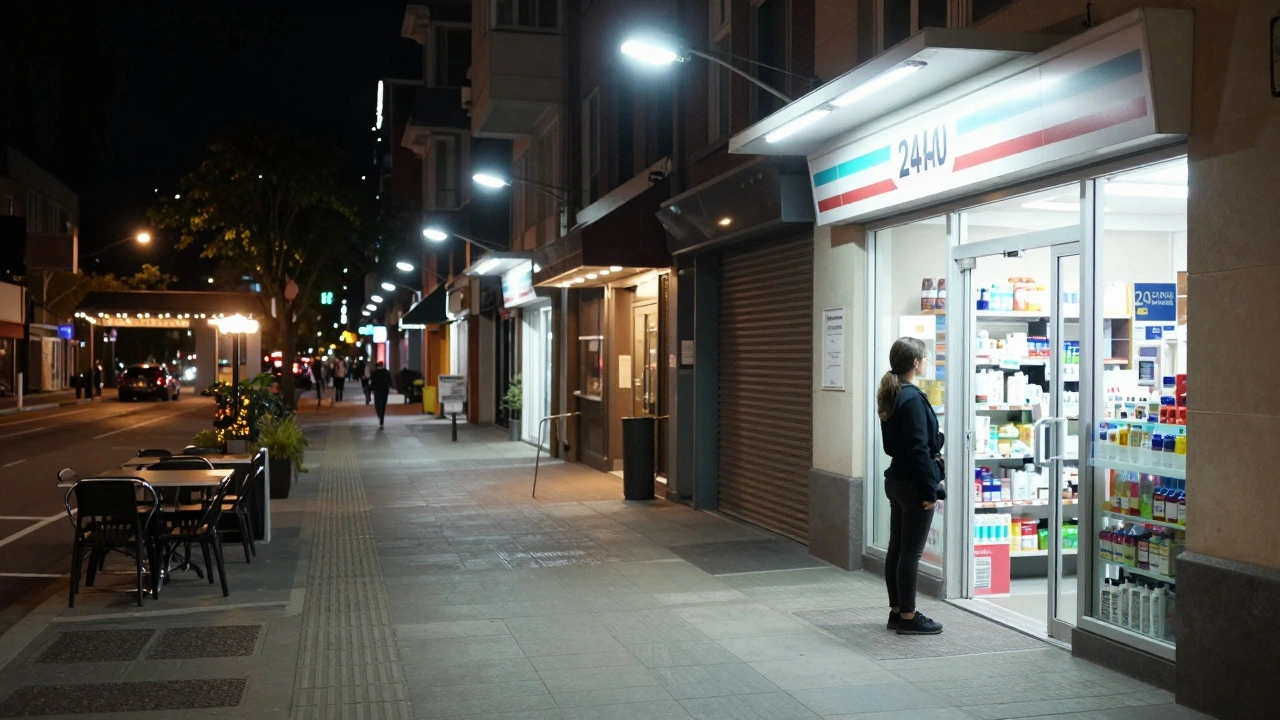
Street-Based Sex Work Safety: Lighting, Exits, and Community Checkpoints
Street-based sex work safety depends on lighting, exits, and community awareness-not just individual caution. Learn practical, real-world strategies used by workers to reduce risk and stay safe.
read more